
 English
 Español
 русский
News
What Is Forged Steel?
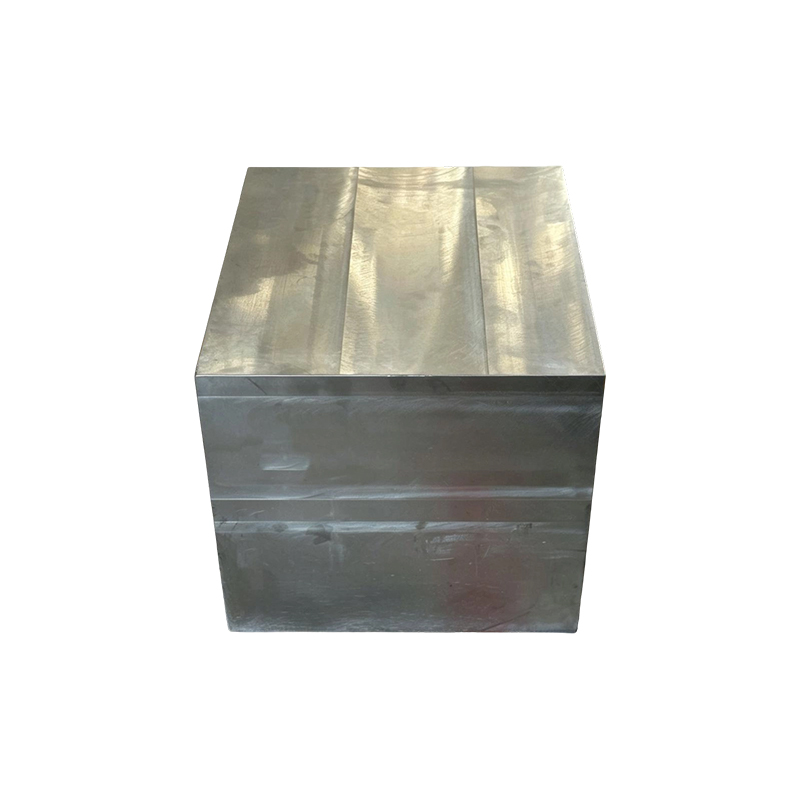
Forged steel is steel that has been shaped by applying compressive force — through hammering, pressing, or rolling — while the metal is above its recrystallization temperature or, in some processes, at room temperature. Unlike casting, where liquid metal is poured into a mold, forging works the solid material, aligning its grain structure and eliminating internal voids. The result is a denser, stronger part with superior fatigue resistance and mechanical toughness. This is why forged steel is the default choice for load-bearing components in demanding environments: crankshafts, flanges, pressure vessel fittings, landing gear, and heavy machinery parts.
The fundamental advantage of forged steel over cast or machined steel is grain flow continuity. When steel is forged, the internal grain lines follow the contour of the part rather than being cut across by machining. This directional grain gives forged parts up to 37% higher fatigue strength compared to equivalent cast components, according to data from the Forging Industry Association.
Forged Steel vs. Forged Alloy Steel: Understanding the Difference
Plain carbon forged steel contains iron and carbon (typically 0.1%–0.6% carbon) with trace amounts of manganese, silicon, and other residual elements. It is cost-effective and widely used where extreme strength or high temperatures are not required — general structural parts, tools, and standard fittings fall into this category.
Forged alloy steel adds deliberate quantities of one or more alloying elements — chromium, molybdenum, nickel, vanadium, or manganese — to enhance specific properties beyond what carbon alone can achieve:
- Chromium-molybdenum (Cr-Mo) steel — Excellent high-temperature strength and creep resistance; standard for pressure vessel flanges and steam piping (ASTM A182 F11, F22).
- Nickel-chromium-molybdenum (Ni-Cr-Mo) steel — High impact toughness at low temperatures; used in aerospace and cryogenic applications.
- Boron alloy steel — Small boron additions (0.001%–0.003%) dramatically increase hardenability with minimal cost premium.
- Vanadium steel — Grain refinement and precipitation hardening; common in automotive crankshafts and connecting rods.
The choice between plain forged steel and forged alloy steel comes down to service conditions: temperature range, cyclic loading, corrosion exposure, and required yield strength. For most oil and gas, petrochemical, and power generation applications, forged alloy steel is specified by default.
| Property | Plain Forged Steel | Forged Alloy Steel | Forged Stainless Steel |
|---|---|---|---|
| Tensile Strength | 400–800 MPa | 700–1400 MPa | 515–1000 MPa |
| Corrosion Resistance | Low | Low–Medium | High |
| High-Temp Performance | Moderate | Excellent (Cr-Mo grades) | Good |
| Relative Cost | Low | Medium | High |
| Typical Standards | ASTM A105, A235 | ASTM A182 F11/F22, 4140 | ASTM A182 F304/F316 |
Forging Temperature of Steel: Why It Matters
Temperature is the most critical process variable in steel forging. Too low, and the metal work-hardens and cracks. Too high, and grain growth occurs — degrading strength and ductility. The correct forging temperature depends on carbon content, alloy composition, and the intended final microstructure.
Hot Forging Temperatures
Hot forging — the most common industrial method — heats steel to above its recrystallization temperature, typically 950°C to 1250°C (1740°F to 2280°F) for carbon and low-alloy steels. At this range, the metal is plastic enough to flow under press or hammer force without cracking. Key considerations:
- Low-carbon steels (0.05%–0.25% C) can be forged at the higher end of this range — up to 1250°C.
- Medium-carbon and alloy steels are typically worked at 900°C–1150°C to avoid grain coarsening.
- High-carbon tool steels require tighter control — often 850°C–1100°C — and narrower working windows.
- Finishing temperature matters: parts should not be worked below 850°C, as forging in the dual-phase range can introduce anisotropic defects.
Warm and Cold Forging
Warm forging operates between 650°C and 950°C — below full austenitization but above room temperature. This reduces oxidation and scale formation, improving dimensional accuracy and surface finish. Cold forging (room temperature) is used for small steel parts where very tight tolerances and a work-hardened surface are required; bolts, screws, and bearing components are frequently cold-forged. Cold forging typically requires 2–3× higher press forces versus hot forging of the same part.
Forged Steel Fittings: Standards, Pressure Classes, and Applications
Forged steel fittings are threaded or socket-weld pipe fittings — elbows, tees, couplings, unions, crosses, and caps — produced by closed-die forging rather than machining from bar stock or casting. The forging process gives these fittings higher pressure ratings and better resistance to hydraulic shock than their cast equivalents, making them the standard choice for high-pressure and high-temperature piping systems.
The governing standard for forged steel fittings in most markets is ASME B16.11, which covers socket welding and threaded fittings in pressure classes 2000, 3000, and 6000. Material specifications typically reference:
- ASTM A105 — Carbon steel, for ambient and moderate-temperature service up to 425°C (800°F).
- ASTM A182 F304 / F316 — Austenitic stainless steel, for corrosive or cryogenic service.
- ASTM A182 F11 / F22 — Chromium-molybdenum alloy steel, for elevated-temperature steam and process piping.
- ASTM A350 LF2 — Low-temperature carbon steel, rated to –46°C (–50°F).
Class 3000 and 6000 fittings are most common in oil refineries, chemical plants, and power stations where line pressures exceed 1500 PSI. Proper specification requires matching the fitting class to the pipe schedule and service pressure — a Class 3000 fitting on Schedule 80 pipe, for example, is rated for pressures consistent with that pipe's working pressure at temperature.
Forged Steel Components: Industries and Structural Roles
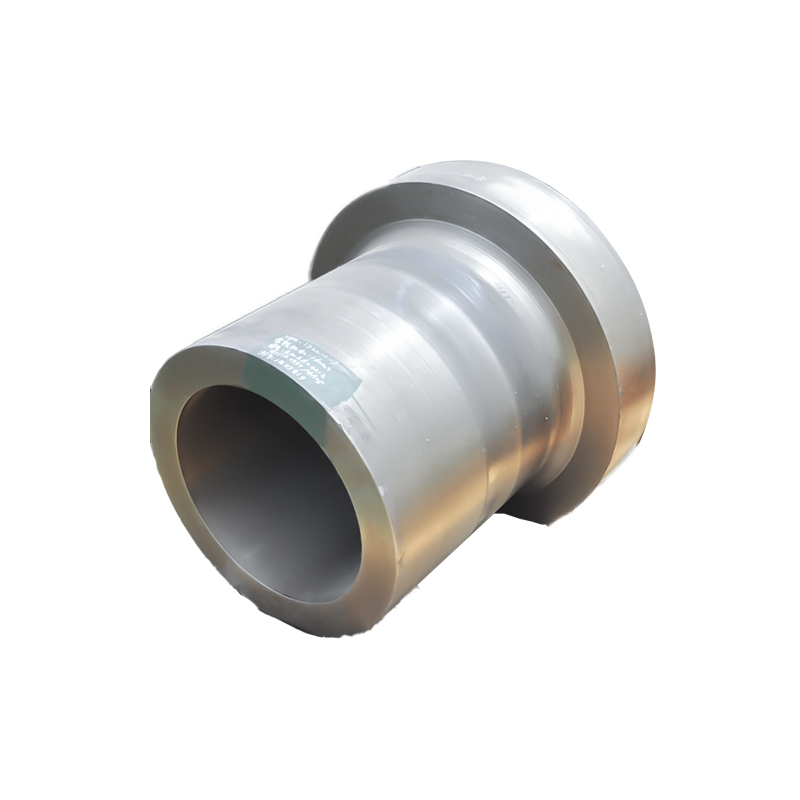
Forged steel components appear wherever structural failure is not an option. The forging process is selected over casting or machining when a component must endure cyclic loading, impact, or elevated stress concentrations in service. Below are the primary sectors and the components they rely on:
Automotive and Heavy Transport
Crankshafts, connecting rods, steering knuckles, wheel hubs, axle shafts, and suspension arms are almost universally forged steel. A passenger car crankshaft, for example, must withstand over 100 million fatigue cycles across its service life — a performance threshold only reliably met by the grain-refined microstructure of a forged part. Microalloyed forged steels (with vanadium or titanium additions) have become dominant here, allowing direct air-cooling after forging without a separate heat treatment step.
Oil, Gas, and Petrochemical
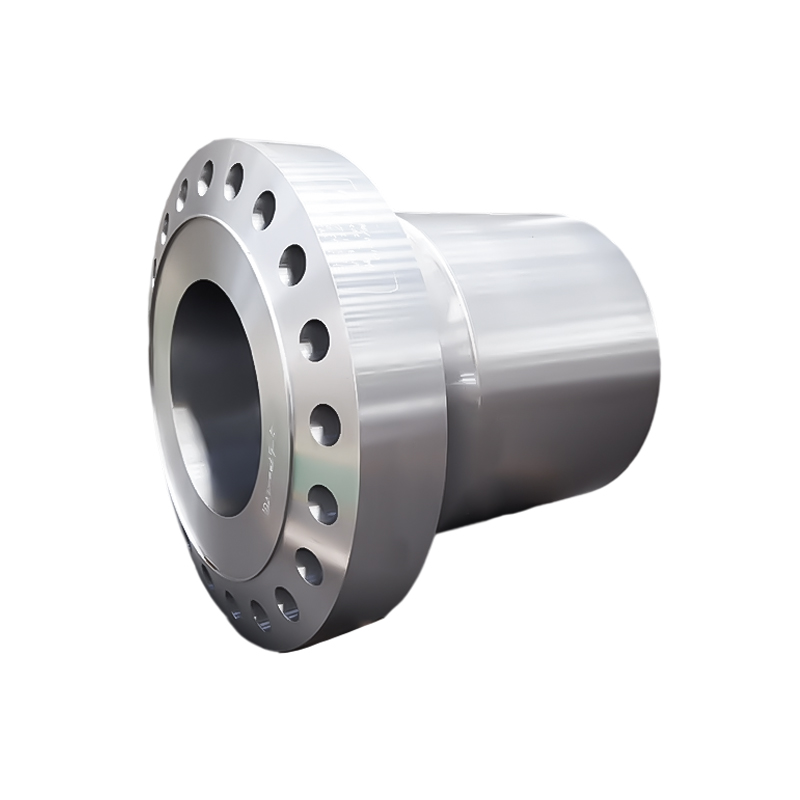
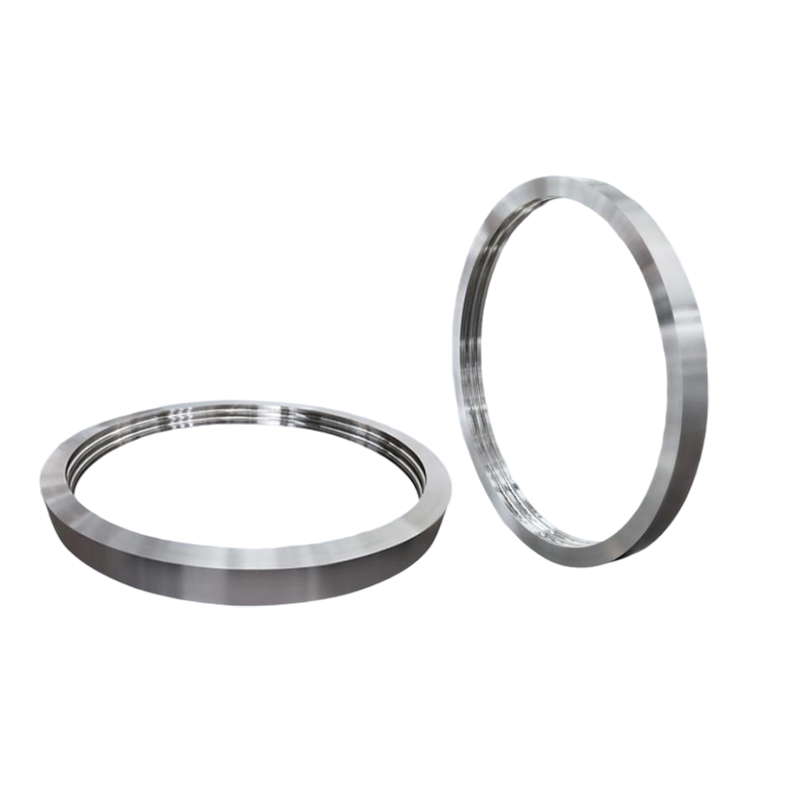
Flanges, valves, wellhead components, and Christmas tree assemblies are forged to ASME, API, and MSS standards. Pressure ratings in subsea and downhole environments can exceed 15,000 PSI — conditions where casting porosity or segregation would represent an unacceptable risk. ASTM A105 and A182 series cover the vast majority of carbon and alloy steel flanges in this sector.
Aerospace and Defense
Landing gear components, structural airframe brackets, rotor heads, and gun barrels are forged to aerospace specifications (AMS, MIL-SPEC). Weight-to-strength ratio is critical here, driving the use of high-alloy and ultra-high-strength steels — 300M, 4340, and H-11 tool steel — all processed through closed-die forging with tight thermomechanical control.
Power Generation
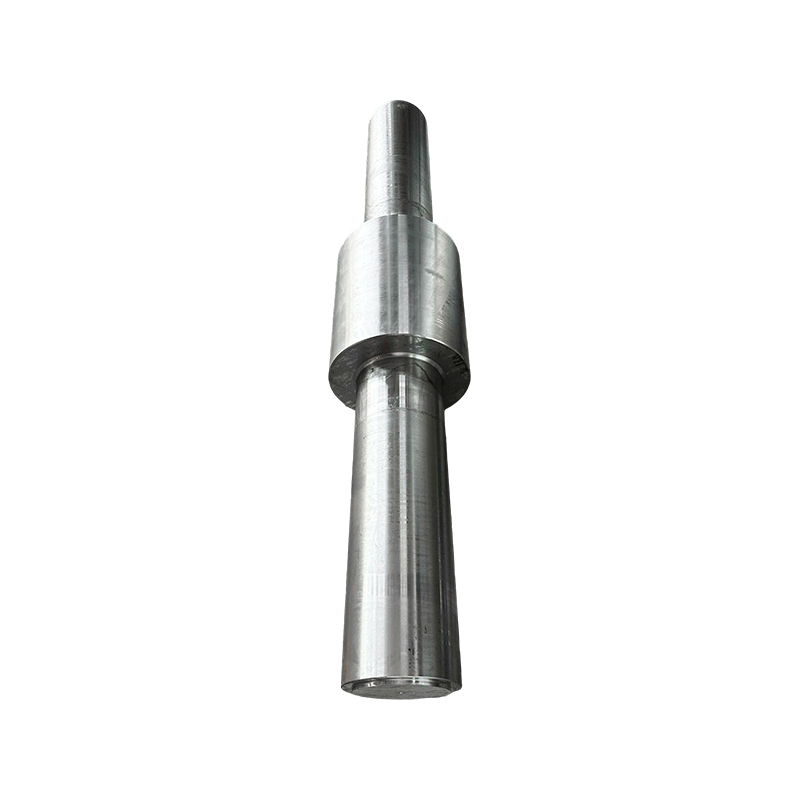
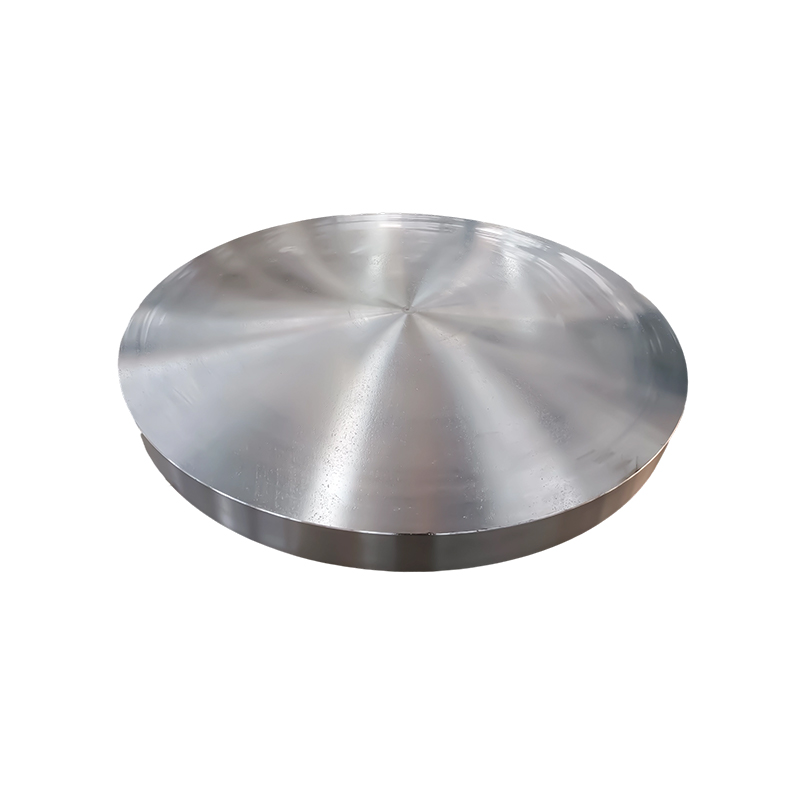
Turbine rotors, generator shafts, and pressure vessel heads are among the largest forged steel components produced — some exceeding 200 tonnes. These ingot-forged parts require progressive forging passes to break down the cast structure across the full cross-section, followed by lengthy heat treatment cycles to achieve uniform properties. Wind energy has added a large new demand segment: nacelle main shafts and tower flanges are now among the highest-volume large forgings globally.
 Previous