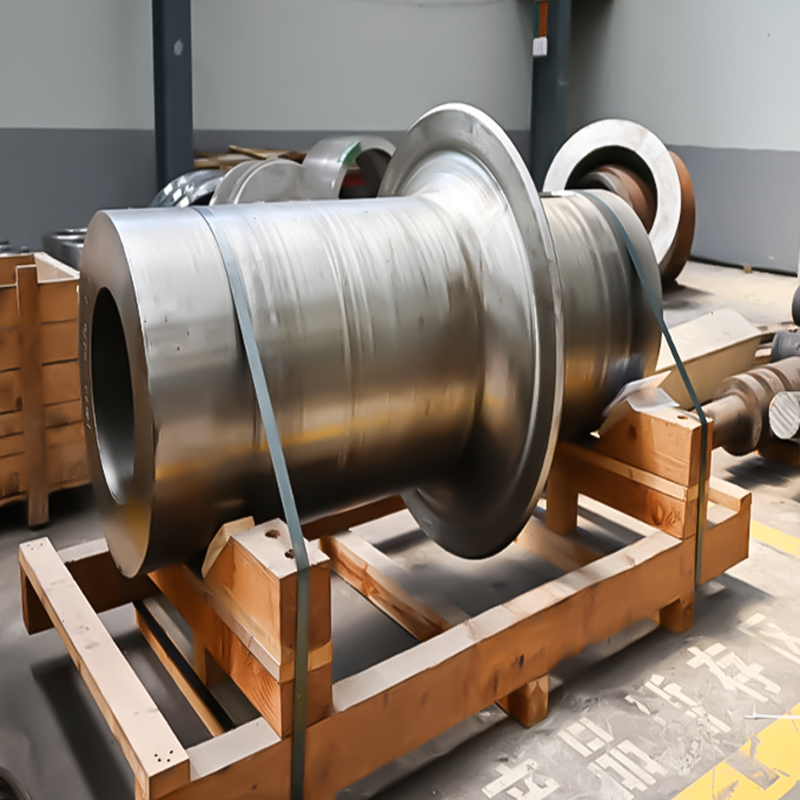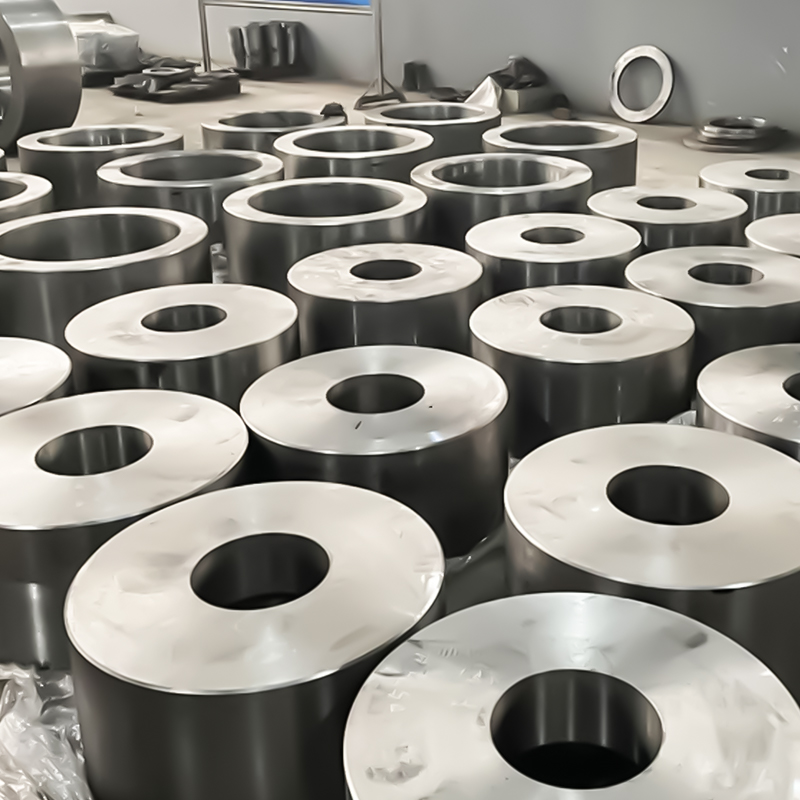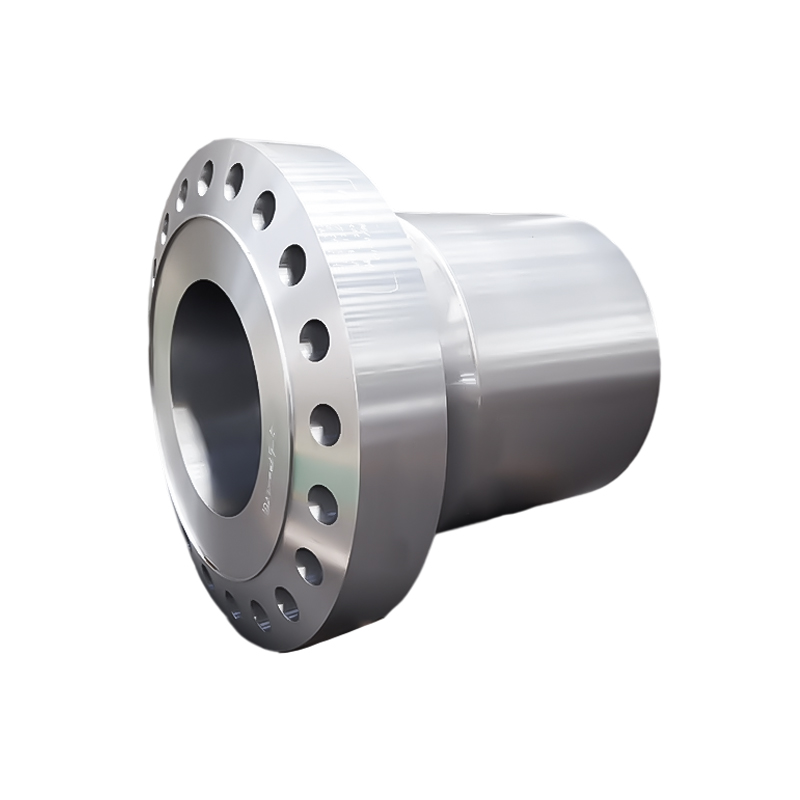
Customized Energy and Power Equipment Field Forged Cylinder
Home / Products / Forging / Open Die Forging / Forged Cylinder / Energy and Power Equipment Field Forged Cylinder
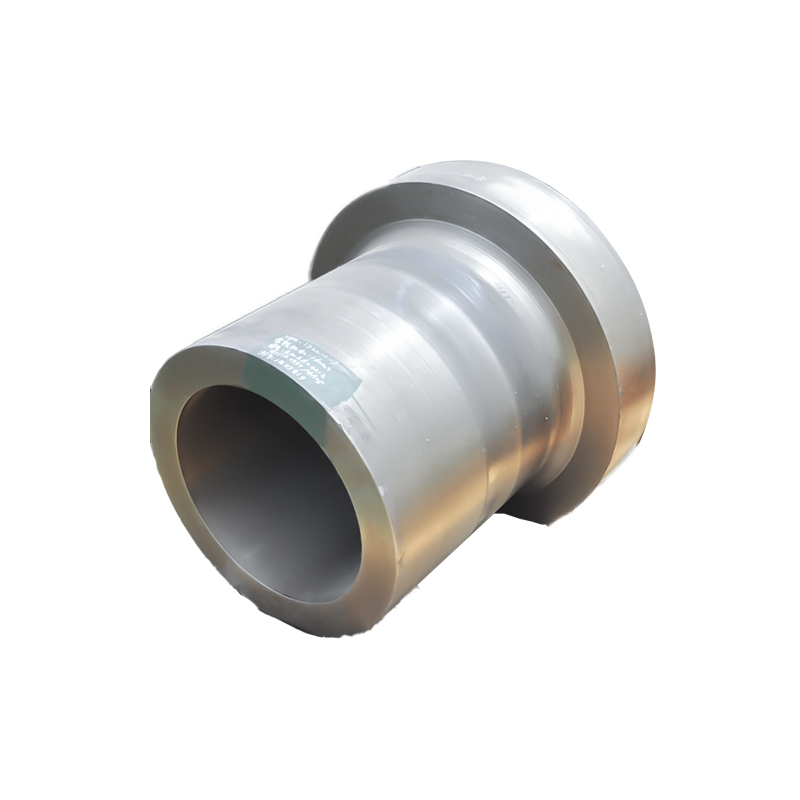
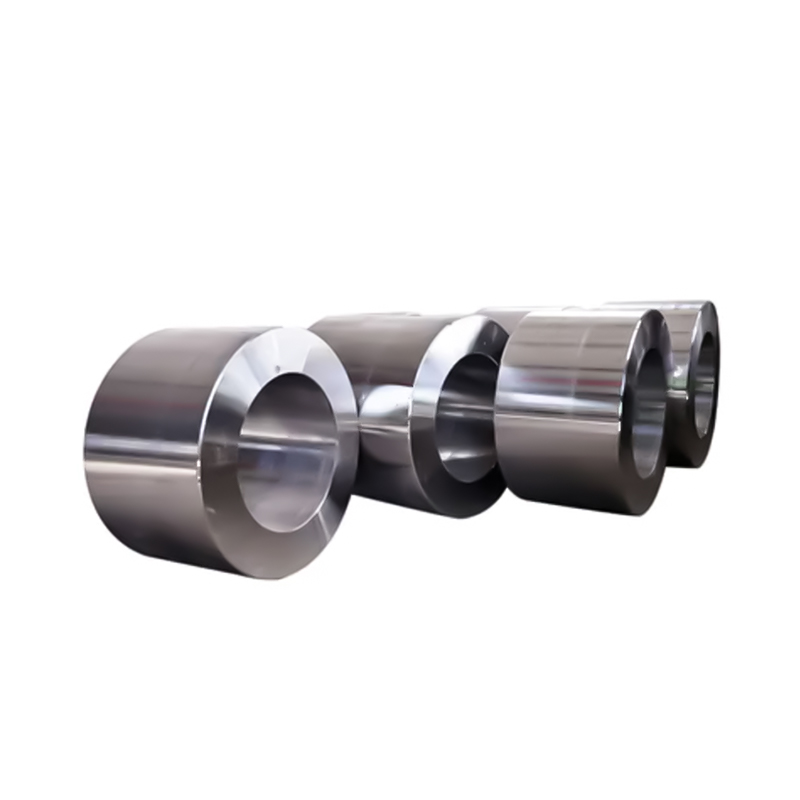
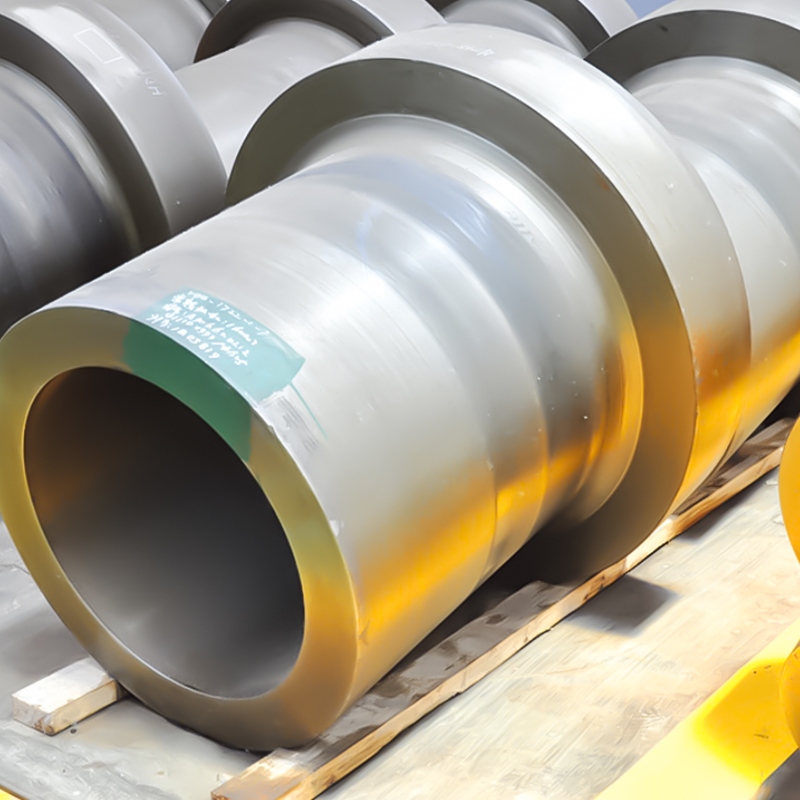
Energy and Power Equipment Field Forged Cylinder

Energy and Power Equipment Field Forged Cylinder

Application scenarios: High-pressure cylinder barrels of thermal power steam turbines, combustion chamber cylinders of gas turbines, flange connection cylinders of wind turbine towers (large integral forgings of flanges and cylinders), etc.
Working conditions: Thermal power/gas turbine scenarios need to withstand high temperatures (500-600°C) and high-pressure steam impact; wind power scenarios need to resist outdoor low temperatures and alternating wind loads.
Contact Us
  • Performance Requirements
  • Advantages
Performance Requirements

Commonly used materials:
12Cr1MoV: A heat-resistant steel with excellent high-temperature oxidation resistance and creep strength, suitable for high-pressure cylinder barrels of steam turbines (operating temperature ≤540°C).
25Cr2Mo1V: A heat-resistant steel with better high-temperature performance (operating temperature up to 570°C), used for cylinders in higher-temperature environments such as gas turbine combustion chambers.
S355NL: A low-alloy high-strength steel with good low-temperature toughness and excellent welding performance, suitable for flange cylinders of wind turbine towers (adapting to low-temperature environments in northern regions).

Material Steel Type / Category Key Characteristics Typical Applications
12Cr1MoV Heat-resistant Steel Excellent high-temperature oxidation resistance, creep strength High-pressure cylinder barrels of steam turbines (operating temperature ≤ 540°C)
25Cr2Mo1V Heat-resistant Steel Better high-temperature performance (operating temperature up to 570°C) Cylinders in higher-temperature environments (e.g., gas turbine combustion chambers)
S355NL Low-alloy High-strength Steel Good low-temperature toughness, excellent welding performance Flange cylinders of wind turbine towers (adapting to low-temperature environments in northern regions)