
 English
 Español
 русский
News
What Is Carbon Steel Forging and Why It Matters
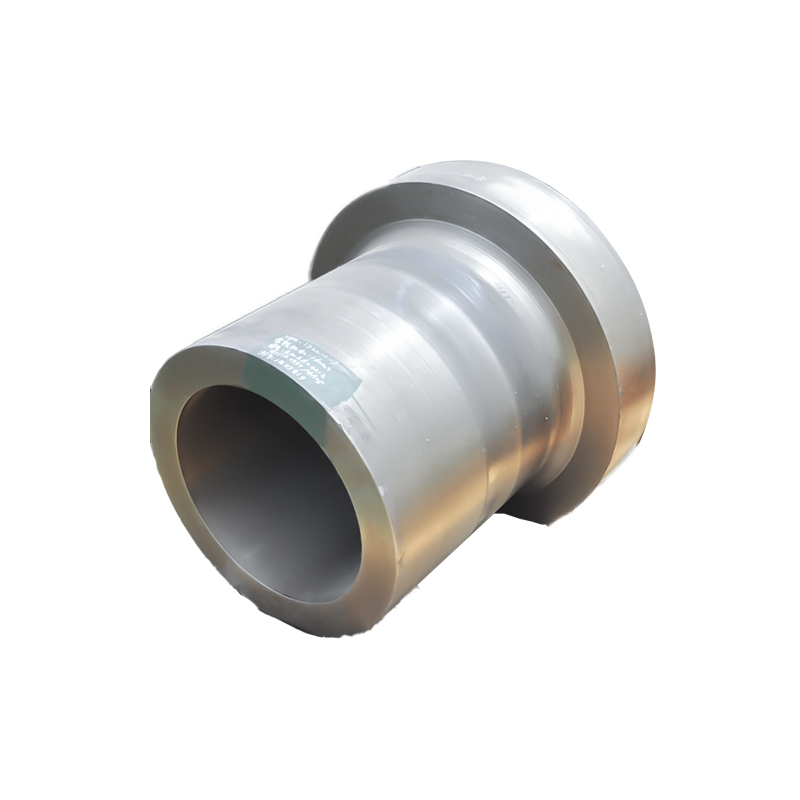
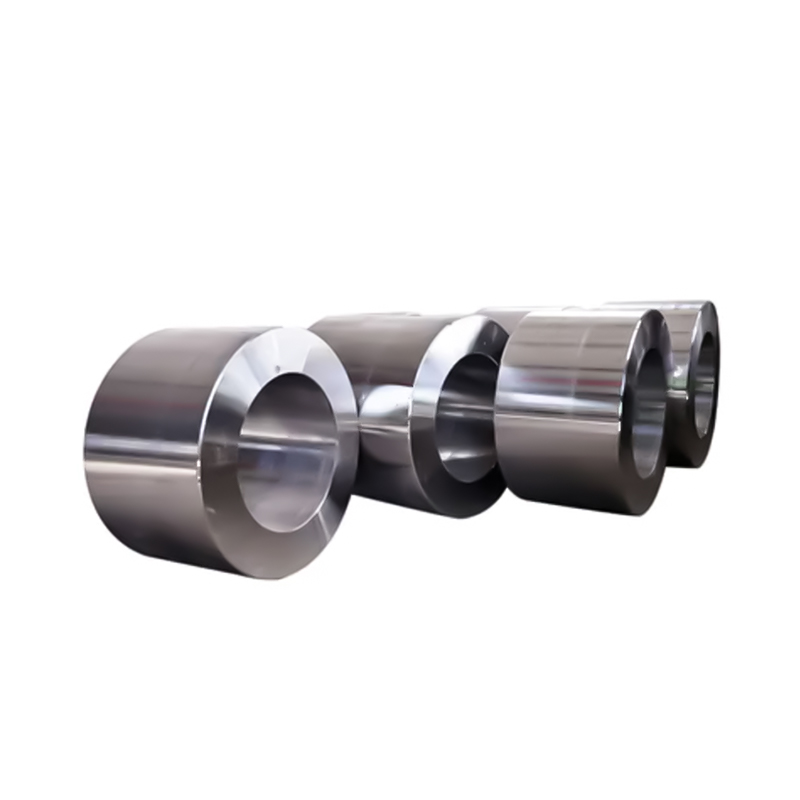
Carbon steel forging is a manufacturing process in which carbon steel billets or bars are shaped under compressive force — either by hammer, press, or ring rolling — at elevated temperatures. The result is a forged material with a refined grain structure that is fundamentally superior to cast or machined equivalents in fatigue strength, impact toughness, and directional mechanical properties. Forged carbon steel components consistently outperform castings by 20–30% in tensile and yield strength under equivalent compositions, making forging the default choice for load-bearing parts in automotive, oil and gas, heavy machinery, and structural applications.
The key variables that govern forging success are carbon content, working temperature, deformation rate, and post-forge heat treatment. Each interacts with the others — a temperature that produces ideal grain refinement in low-carbon steel may cause cracking in a high-carbon grade. Understanding these relationships is what separates a reliable forging process from one that produces inconsistent mechanical properties or scrap.
Forging Temperature of Steel: Ranges by Carbon Content
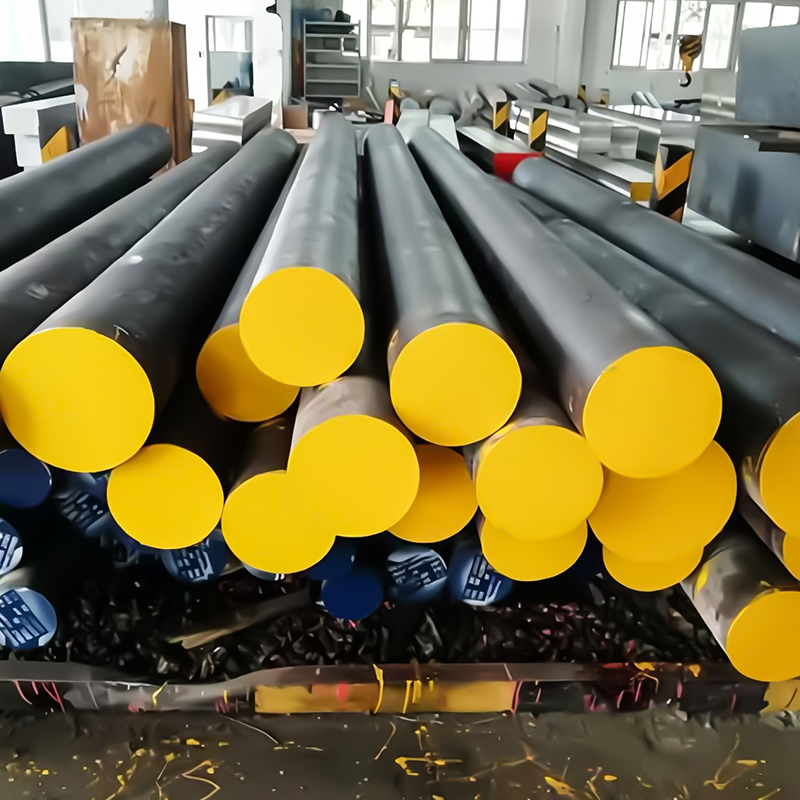
The forging temperature of steel is not a single value — it is a working window defined by the upper limit (above which grain growth or burning occurs) and the lower limit (below which the steel becomes too hard and crack-prone to deform). For carbon steels, this window narrows as carbon content increases.
| Carbon Category | Carbon Content (%C) | Forging Start Temp (°C) | Forging Finish Temp (°C) |
|---|---|---|---|
| Low carbon steel | 0.05 – 0.25 | 1,250 – 1,300 | 850 – 900 |
| Medium carbon steel | 0.25 – 0.60 | 1,150 – 1,250 | 800 – 850 |
| High carbon steel | 0.60 – 1.00 | 1,050 – 1,150 | 750 – 800 |
| Very high carbon / tool steel | 1.00 – 1.50 | 950 – 1,050 | 700 – 750 |
Never forge below the finish temperature. When carbon steel drops below approximately 750–800 °C, the austenite-to-ferrite/pearlite transformation begins, and the material transitions from plastic to brittle behavior. Continuing to forge in this range introduces internal tears, surface cracking, and inconsistent hardness distribution that cannot be fully corrected by subsequent heat treatment.
The upper temperature ceiling is equally critical. Heating low-carbon steel above 1,300 °C causes rapid grain coarsening, while temperatures above approximately 1,350–1,400 °C risk incipient melting at grain boundaries — a condition known as burning, which is irreversible and renders the billet scrap.
Forging Grades: Carbon Steel Types and Their Applications
Forging grades are standardized steel compositions selected specifically because their chemistry and hardenability respond predictably to the forging process and subsequent heat treatment. The most widely used systems are AISI/SAE (North America), EN (Europe), and GB/T (China), though grades broadly cross-reference between standards.
Low-Carbon Forging Grades
Grades such as AISI 1018, 1020, and 1025 (EN equivalent: C20, S20C) contain 0.15–0.25% carbon and are the most forgiving in terms of temperature control. They are used for shafts, pins, axles, and structural brackets where toughness takes priority over hardness. Because their carbon content is low, they are not typically hardened by quenching alone — case hardening (carburizing or carbonitriding) is used when surface wear resistance is required.
Medium-Carbon Forging Grades
AISI 1040, 1045, and 1050 are the workhorses of industrial carbon forging. With 0.36–0.55% carbon, they respond well to quench-and-temper treatments and achieve tensile strengths of 700–1,000 MPa depending on section size and tempering temperature. AISI 1045 in particular is the default grade for forged crankshafts, connecting rods, gears, flanges, and hydraulic cylinder components. Its combination of moderate forgeability, good machinability, and reliable heat treatment response makes it the single most forged carbon grade globally.
High-Carbon Forging Grades
Grades in the AISI 1060–1095 range (0.60–0.95% carbon) are used where hardness and wear resistance are primary requirements — spring steels, agricultural tillage tools, hand tools, and railway components. Their narrower forging window demands tighter temperature control and slower heating rates to avoid thermal gradients that crack the billet. Post-forge slow cooling in vermiculite or a furnace is standard practice to prevent martensite formation before the intended heat treatment cycle.
Microalloyed (Forging-Optimized) Carbon Grades
A specialized category of forging steel types includes microalloyed grades such as 38MnVS6 and 46MnVS3, which achieve yield strengths comparable to quench-and-tempered medium carbon steels without requiring post-forge heat treatment. Small additions of vanadium (0.05–0.15%) precipitate as fine carbides during controlled cooling after forging, providing precipitation strengthening. These grades are increasingly specified for automotive connecting rods and crankshafts where eliminating the heat treatment step reduces production cost by 15–25% without sacrificing mechanical properties.
Temperature for Forge Welding Carbon Steel
Forge welding is the process of joining two pieces of steel by heating both to a plastic or near-liquid state and applying sufficient compressive force to create a solid-state bond at the interface. It is the oldest metal joining technique and remains relevant in toolmaking, blade smithing, and the manufacture of seamless rings and hollow forgings.
The temperature for forge welding carbon steel depends directly on carbon content:
- Low-carbon steel (≤0.25% C): Forge welding temperature is approximately 1,300–1,370 °C. At this range the steel reaches a "wet" or sparkling yellow-white color. The high temperature burns off surface oxides and allows atoms from both pieces to diffuse across the interface under pressure.
- Medium-carbon steel (0.25–0.60% C): Forge welding temp drops to 1,200–1,300 °C. A flux (borax or proprietary flux) becomes more important at this range to prevent oxide scale formation that would contaminate the weld interface.
- High-carbon steel (0.60–1.00% C): Forge welding temperature is 1,100–1,200 °C. High-carbon grades have a much narrower welding window — as little as 30–50 °C separates a successful weld from a burnt, crumbling surface. Flux application is mandatory, and the weld must be struck quickly before temperature drops.
A critical practical point: the forge welding temperature must not be confused with the general hot forging temperature. Forge welding operates at the very top of the working window, intentionally approaching the solidus temperature to activate surface diffusion. General forging is performed well below this threshold to preserve grain structure and avoid burning.
Forged Steel Grades: Mechanical Properties After Heat Treatment
The mechanical properties of forged carbon steel are not determined by the forging process alone — post-forge heat treatment is what translates the refined grain structure into usable engineering data. The same AISI 1045 forging can yield tensile strengths ranging from 570 MPa (normalized) to over 900 MPa (quenched and tempered at 400 °C), depending on the thermal cycle applied.
- Normalizing (air cooling from 870–930 °C): Produces a uniform pearlitic microstructure with predictable, moderate strength. Used as a baseline condition for AISI 1045 (UTS ≈ 570–620 MPa, hardness ≈ 160–180 HB).
- Annealing (furnace cooling from 760–820 °C): Maximizes softness and machinability. UTS drops to 450–520 MPa. Used when heavy post-forge machining is required before final heat treatment.
- Quench and temper (Q&T): Provides the highest combination of strength and toughness. For AISI 1045 quenched from 820–860 °C and tempered at 550–600 °C, typical properties are UTS 800–900 MPa, yield 650–750 MPa, impact energy 50–80 J (Charpy V-notch). Tempering below 300 °C risks temper embrittlement and reduced impact toughness.
- Spheroidize annealing (high-carbon grades): Converts lamellar cementite to spherical carbide particles, dramatically improving cold formability and machinability in high-carbon forging grades before final hardening.
Forged material consistently achieves higher impact toughness than equivalent cast material at the same tensile strength because the forging process closes internal porosity and aligns the grain flow with the part geometry. In critical applications — pressure vessel flanges, steering knuckles, landing gear components — this difference is quantifiable: forged carbon steel typically shows 30–50% higher Charpy impact values than centrifugal castings of the same composition.
Selecting the Right Carbon Steel for Forging: Key Considerations
Choosing the correct carbon steel for forging requires balancing five factors: required mechanical properties, section size, forgeability, machinability after forging, and total cost including heat treatment.
- Section size and hardenability: Plain carbon steels have limited hardenability — their hardness after quenching drops off sharply beyond 25–30 mm from the quenched surface (Jominy end-quench data). For large cross-sections above 75 mm where through-hardening is required, alloyed grades (Cr-Mo, Ni-Cr-Mo) are the correct choice. For smaller sections, carbon grades are fully adequate and significantly cheaper.
- Forgeability index: Forgeability decreases as carbon content increases. Low-carbon grades (1018, 1020) can be forged with the least press force and are least susceptible to forging defects like laps, folds, or cold shuts. High-carbon grades require more precise temperature management and greater press capacity per unit area.
- Sulfur and phosphorus content: Resulfurized free-machining grades (e.g., AISI 1144) have improved machinability but reduced transverse toughness and are generally avoided in forging applications where impact loading is expected. Specify low-sulfur grades (≤0.025% S) for forged components in dynamic service.
- Application temperature: Carbon steel forgings are not suitable for service above approximately 400–450 °C, as creep and oxidation become limiting factors. For elevated-temperature applications, chromium-molybdenum grades (P22, P91) are specified.
For most general industrial forging applications — flanges, shafts, rings, hubs, and structural components operating at ambient temperature — AISI 1045 remains the most cost-effective and widely available carbon steel for forging, offering a proven combination of forgeability, heat treatment response, machinability, and supply chain depth across all major manufacturing regions.
 Previous