
 English
 Español
 русский
News
Home / News / Industry News / How Alloy Steel Forgings Are Manufactured and What Processes Affect Their Quality
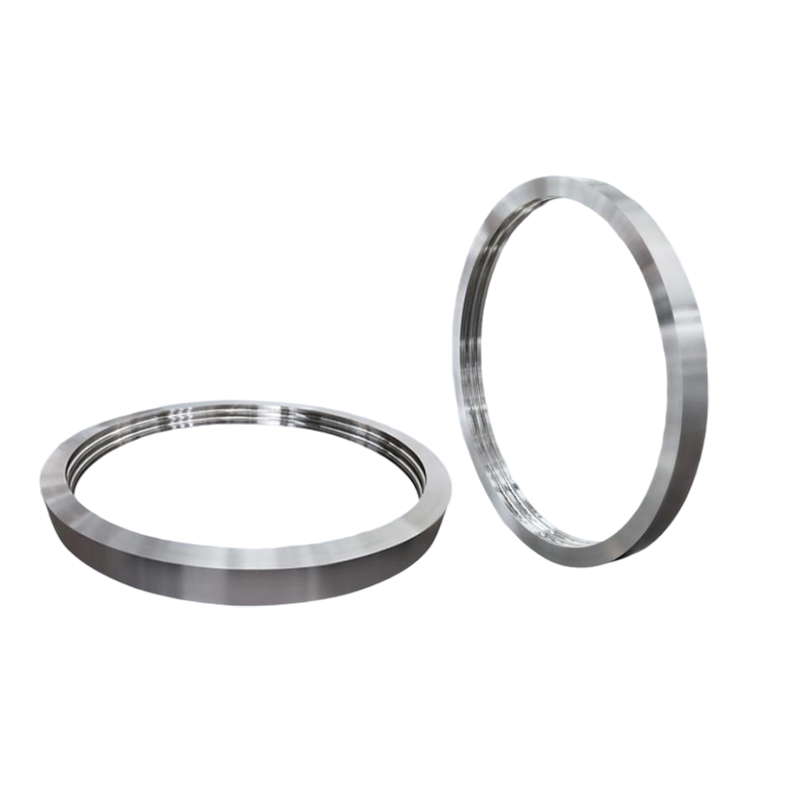
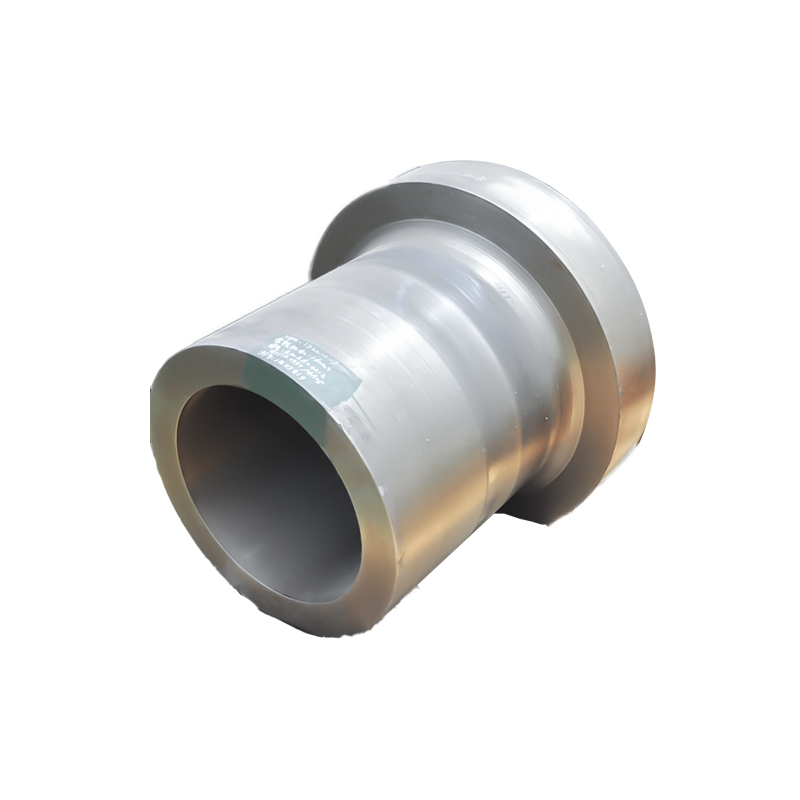
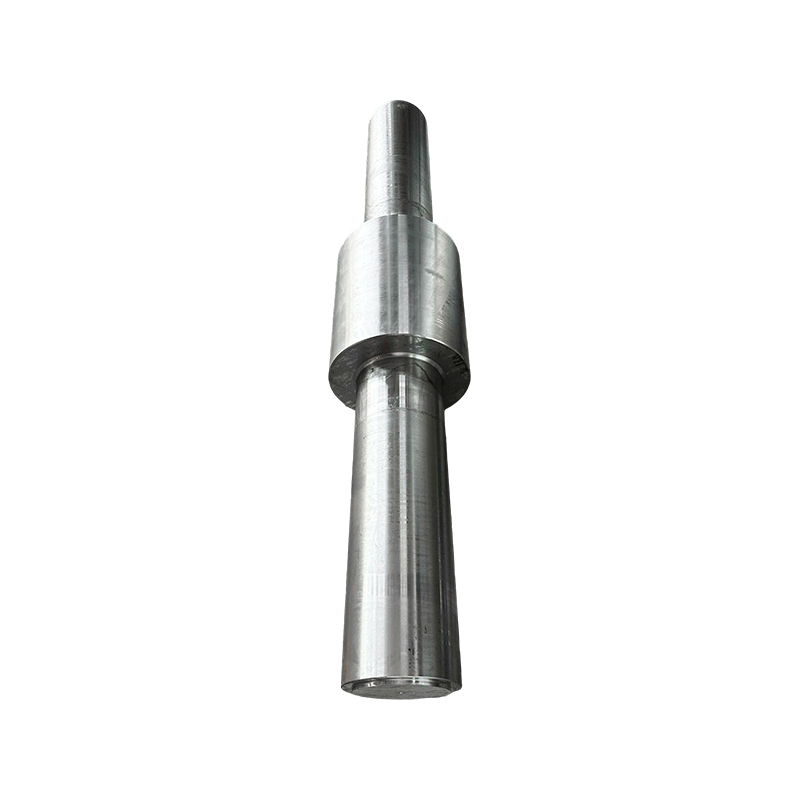
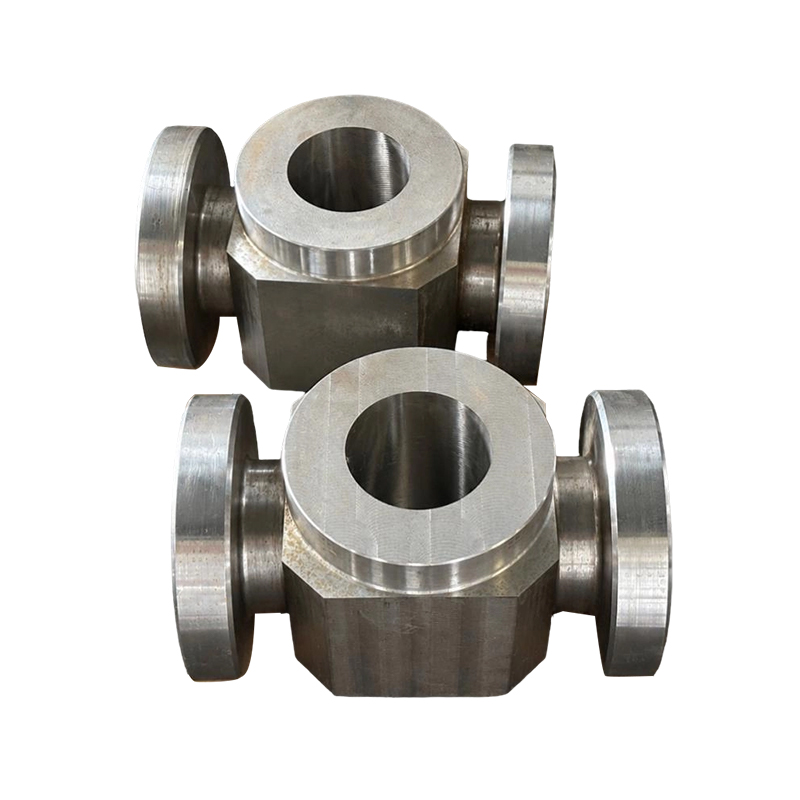
Alloy steel forgings are essential in industries requiring high strength, toughness, and reliability. Compared with cast or machined components, forged parts benefit from refined grain structure and superior mechanical properties. Alloy steels achieve these qualities through the addition of elements such as chromium, nickel, molybdenum, and vanadium, allowing customization for demanding applications in energy, aerospace, and heavy machinery.
Maiterio Group, founded in 2019, specializes in seamless rolled rings, forged shafts, forged cylinders, and precision-machining components for high-performance applications. With ISO 9001/14001/45001 standards, we implement rigorous quality and production process controls, serving global customers including GE Vernova, Vestas, Caterpillar, Siemens Energy, and Komatsu. Our extensive facilities include three ring forging lines, two open die forging lines, and over 70 CNC machines across machining workshops, allowing precise control over every stage of alloy steel forgings manufacturing process steps.
In open die forging, the metal is compressed between flat or simple contoured dies without fully enclosing the workpiece. This method is suitable for large, simple shapes where precise tolerances are not critical. It allows for directional grain flow, enhancing structural integrity.
Closed die forging shapes the workpiece within dies that fully enclose the metal, forcing it to fill the die cavities. This method is preferred for complex geometries and applications requiring tight dimensional tolerances. It also allows for optimized material usage compared to open die forging.
Precision forging focuses on creating parts very close to final dimensions, reducing machining allowances. Near-net shape processes enhance repeatability and material efficiency, particularly for high-precision aerospace or industrial components. Maiterio Group’s designed forging lines achieve smaller forging allowances while maintaining high production pace, reflecting decades of user-based expertise.
Traceability of alloy steel billets is crucial for consistent quality. Verification of chemical composition and prior processing ensures final mechanical properties meet specifications. As the largest customer of Yong Gang, a top alloy steel mill in China, Maiterio Group secures competitive steel prices while guaranteeing internal consumption quality.
Precise thermal management and controlled deformation during forging influence microstructure and defect formation. Maintaining consistent temperatures ensures uniform grain orientation and reduces the risk of cracks. According to the latest report by the Forging Industry Association, consistent thermal control is a key factor in improving part performance.
Source: Alloy Forge Techniques & Applications
Alloy steel forgings heat treatment quality control cycles, such as quenching and tempering, are critical for locking in required hardness, tensile strength, and fatigue resistance. Heat treatment parameters must be tailored to alloy composition and intended service conditions.
Final inspection includes ultrasonic, magnetic particle, and dye-penetrant testing to detect internal or surface discontinuities. These NDT methods are standard for high-performance applications, ensuring structural integrity before delivery.
| Open Die Forging | Closed Die Forging | Precision/Near-Net Shape Forging | |
| Shape Complexity | Medium | High | Very High |
| Dimensional Tolerance | Loose | Tight | Tightest |
| Machining Allowance | More | Moderate | Least |
| Production Speed | Moderate | Slower (due to die complexity) | Faster (optimized flow) |
According to the latest report by ASTM International, 2024-2025 standards emphasize tighter control of forging process parameters and heat treatment cycles to ensure alloy steel components meet high fatigue and fracture toughness requirements for energy and aerospace sectors. These standards guide manufacturers like Maiterio Group in optimizing both open and closed die forging operations.
Source: ASTM Forging Standards
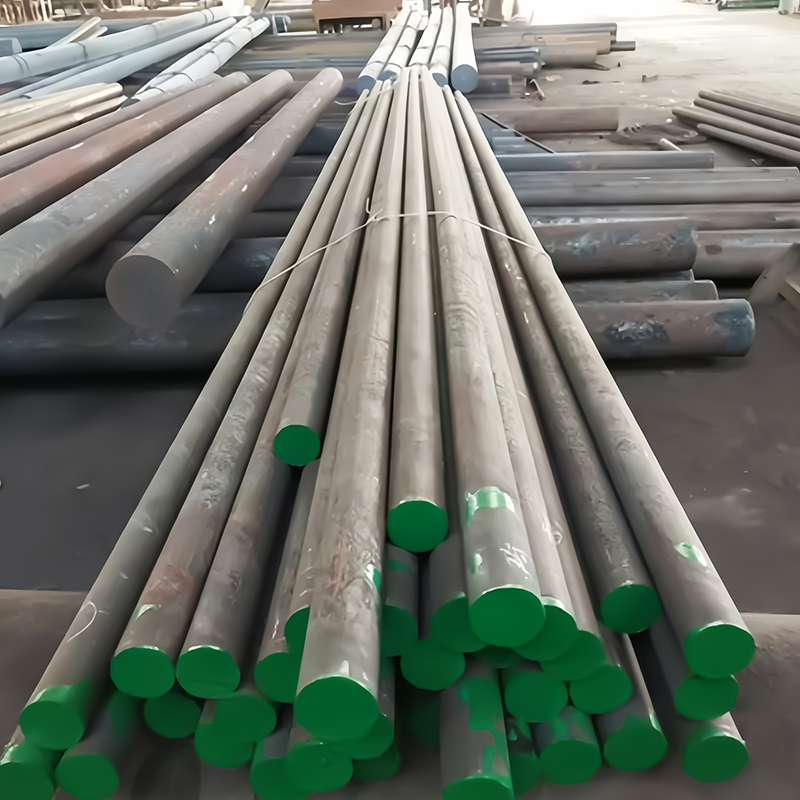
Understanding the detailed processes of alloy steel forgings — from billet selection and thermal control to forging method choice and heat treatment — is crucial for ensuring part reliability and performance. By implementing rigorous alloy steel forgings manufacturing process steps and quality controls, manufacturers like Maiterio Group deliver precision forgings that meet stringent global standards.
The primary methods are open die forging, closed die (impression die) forging, and precision or near-net shape forging. Each method differs in shape complexity, tolerance, and material utilization.
Heat treatment, including quenching and tempering, controls hardness, tensile strength, and fatigue resistance, ensuring mechanical properties meet the design requirements.
Traceability ensures the chemical composition and prior processing of the material are verified, reducing the risk of defects and ensuring consistent mechanical properties.
Precision or near-net shape forging produces parts closest to final dimensions with minimal machining allowance and the tightest tolerances.
Yes, ultrasonic, magnetic particle, and dye-penetrant tests are standard to detect internal or surface defects before parts are released for critical applications.

No.1317 Gangcheng Road, Daxin Town, Zhangjiagang, Jiangsu, China
WhatsApp:+86-151 5156 6388 Terry Huang
+86-151 5156 6388 Terry Huang
+86-138 1299 2607 Maggie Xia
Terry Huang -VP of Sales
[email protected]
Maggie Xia -VP of Sales
[email protected]

 Previous