
 English
 Español
 русский
News
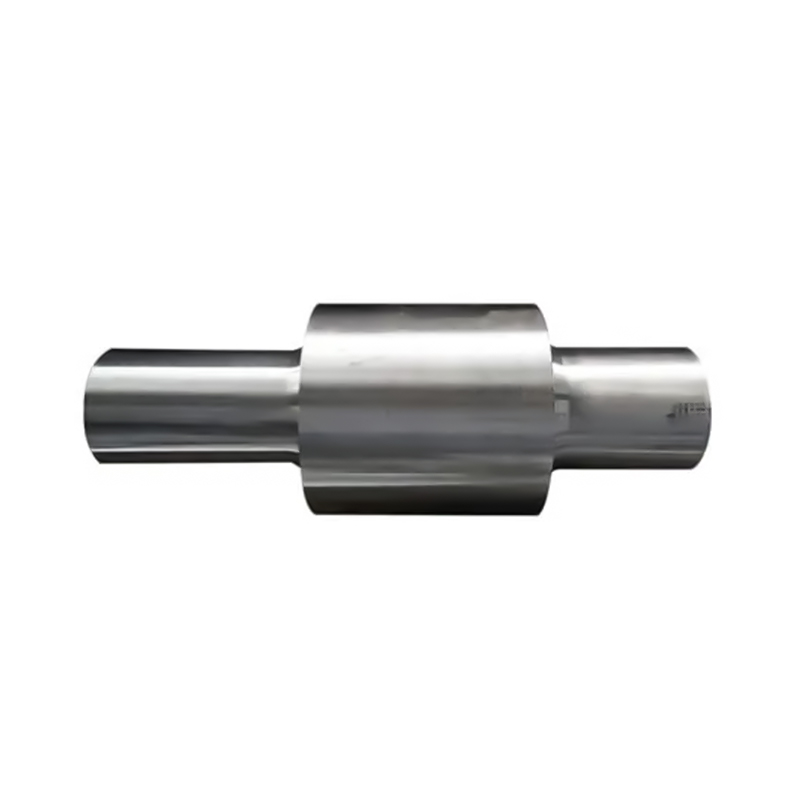
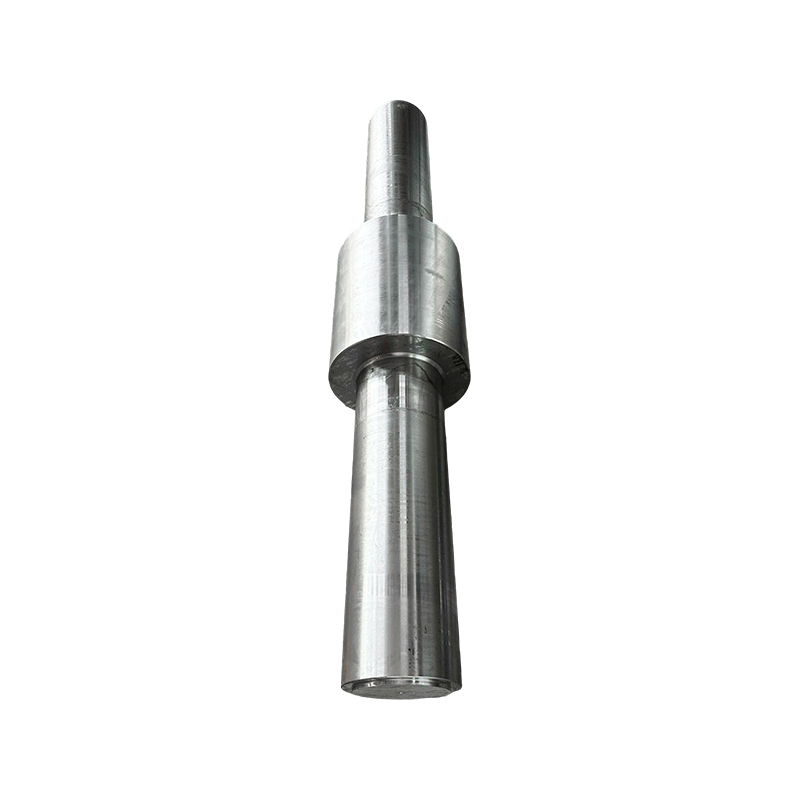
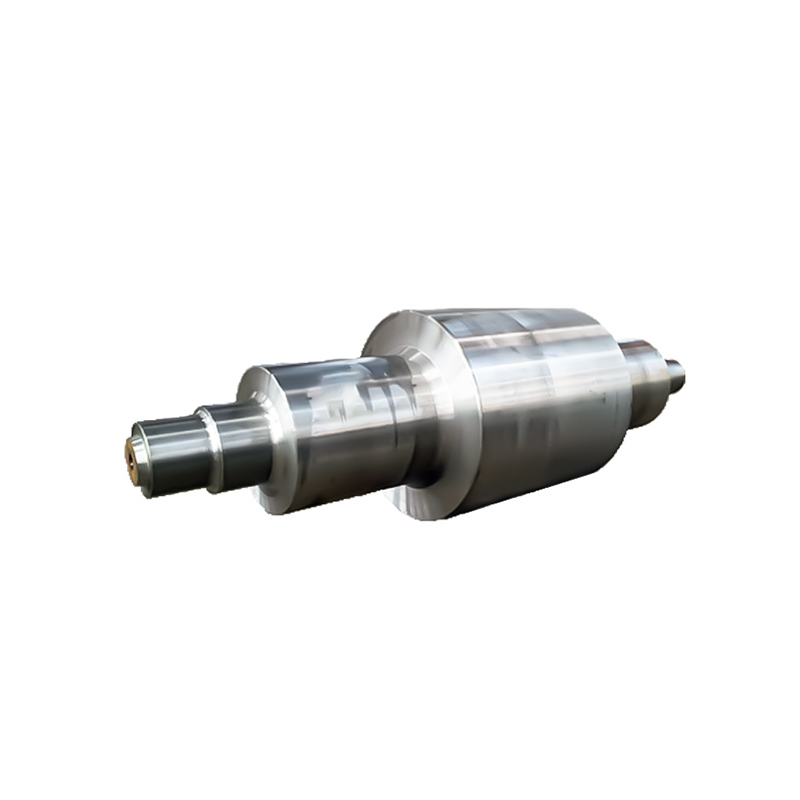
Drop forged parts and forged rims are up to 30% lighter and 2–3 times stronger in fatigue life than equivalent cast components. The fundamental difference is that forging compresses the metal’s internal grain structure along the part’s shape, eliminating porosity, while casting pours liquid metal into a mold, leaving randomly oriented grains and potential micro-voids. If you need maximum durability and minimum weight—whether for a connecting rod, a wrench, or a performance wheel—forged metal is the definitive choice; cast parts offer cost advantages for less demanding, high-volume applications.
What Does Drop Forged Mean
Drop forging is a hammer-based forming process in which a heated metal billet is placed in a die and struck repeatedly by a heavy ram dropping under gravity or power. The impact forces the metal to flow plastically into the die cavity, producing a near-net shape with dense, continuous grain alignment. This is distinct from press forging, which uses slower, squeezing pressure.
The Drop Forging Mechanism and Grain Structure
When a billet is hammered, the metal's internal crystalline grains deform and elongate to follow the contours of the part. This grain flow continuity acts like the fibers in high-strength wood, giving the final component exceptional resistance to impact and bending fatigue. In contrast, cast parts have a non-directional grain structure that is more brittle at stress points. Tests on SAE 1045 steel show that a drop forged part can exhibit 20–30% higher tensile strength and 50–70% greater fatigue endurance than the same part made by sand casting from identical alloy composition.
Where Drop Forging Is Irreplaceable
Drop forging dominates applications that require absolute reliability under cyclic loads. Automotive connecting rods, crane hooks, high-pressure valve bodies, and quality hand tools (such as combination wrenches stamped "drop forged") all rely on the process. A drop forged wrench will typically bend before breaking, while a cast alternative may snap without warning when overloaded because of internal porosity.
What Is Forged Rims
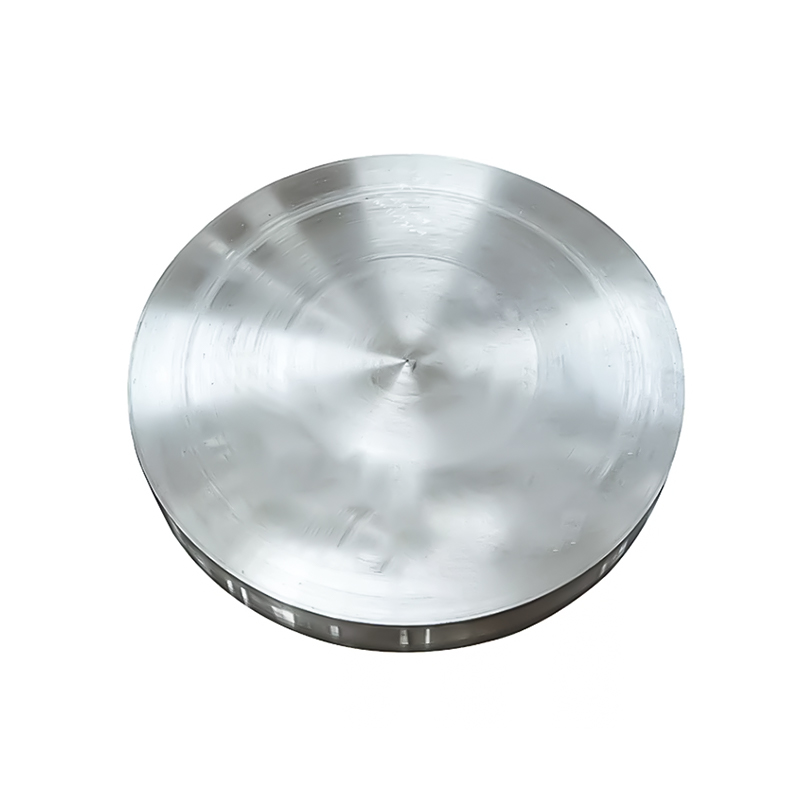
Forged rims are wheels manufactured from a single solid aluminum or magnesium alloy billet, shaped under extreme pressure to create a dense, lightweight, and exceptionally strong rim. The process begins with a pre-forged disc that is hot-formed in a multi-thousand-ton press, then flow-formed to widen the barrel, and finally CNC-machined to the exact spoke design. Unlike a cast wheel poured into a mold, a forged rim retains the billet’s uninterrupted grain structure throughout the entire barrel and spokes.
Measurable Advantages Over Cast Wheels
The performance divide is concrete. A typical 19-inch cast aluminum wheel weighs around 12.5–14 kg, while a forged monoblock of the same size and load rating weighs 8.5–10 kg. This 25–30% reduction in unsprung mass directly improves suspension response and acceleration. In terms of strength, a properly forged 6061-T6 aluminum wheel exhibits a tensile strength above 310 MPa, whereas a cast A356 wheel delivers about 230 MPa. Fatigue testing reveals an even larger gap: forged rims consistently survive three times the cyclic load cycles before crack initiation.
The Real-World Balance of Cost and Repair
Forged rims carry a price premium, typically 2 to 3 times the cost of a comparable cast flow-formed wheel. However, they are not just for racing. Automotive OEMs use forged rims on high-performance models (e.g., Porsche GT cars, BMW M models) to meet weight targets while passing extreme pothole and curb-strike tests. It is a myth that forged rims are unrepairable; minor bends can often be straightened by specialists because the material is tough and not brittle. Cracked forged wheels, like any wheel, require replacement.
What Is the Difference Between Forged and Cast
The distinction is rooted in how the metal transforms from raw material into a finished component. Casting melts metal and pours it into a mold; forging deforms solid metal into shape using force. This difference creates opposing characteristics in density, strength, weight, and cost. The table below provides a direct, data-driven comparison for an aluminum automotive wheel application.
| Property | Cast Wheel (Gravity/Low Pressure) | Forged Monoblock Wheel |
|---|---|---|
| Material Process | Molten A356 poured into mold | Solid 6061-T6 billet pressed & flow-formed |
| Tensile Strength | ~230 MPa | >310 MPa |
| Elongation | 3–5% | 10–12% |
| Weight (19x8.5) | 12.5–14 kg | 8.5–10 kg |
| Fatigue Life (rotary) | ~600,000 cycles | 1.8–2.2 million cycles |
| Relative Cost | Base reference | 2x–3x higher |
Beyond the numbers, the structural integrity differs in failure mode. A cast wheel under severe impact tends to fracture, often with a sudden break. A forged wheel will typically bend or deform, giving the driver a progressive warning before total failure. This ductility (higher elongation) is a direct result of the uninterrupted grain flow and absence of internal shrinkage cavities.
Manufacturing Steps That Create the Performance Gap
The performance gap is not mysterious; it is locked into each production step. Understanding the sequences clarifies why forged metal consistently outperforms cast metal.
Gravity and Low-Pressure Casting Traps Weaknesses
In gravity casting, liquid aluminum flows into a sand or permanent mold driven only by gravity. The solidification rate varies, causing dendritic crystal growth and shrinkage porosity, especially in thicker sections. Low-pressure casting forces metal upward into the mold from below, improving fill and reducing gas entrapment, but the random grain orientation remains. The result is a component with microstructural weak points that become crack initiation sites under cyclic stress.
The Forging Sequence: Press, Flow-Form, and Machine
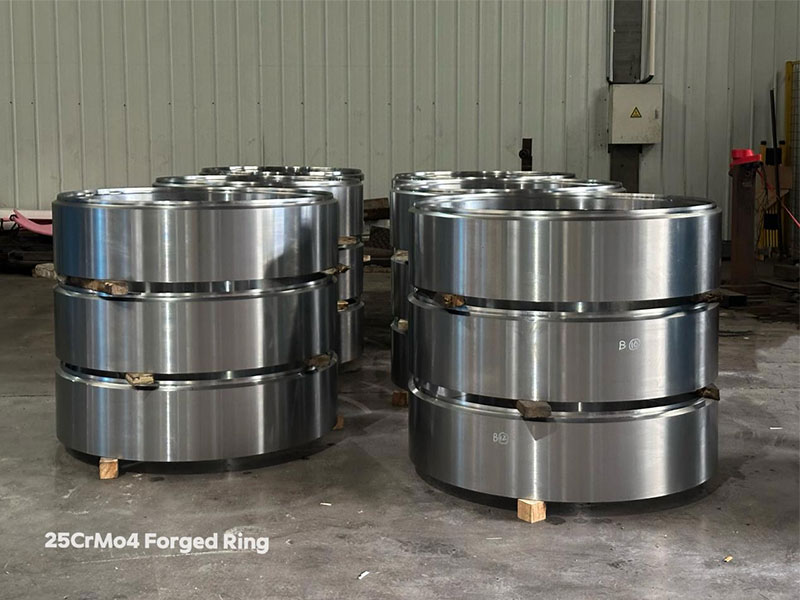
A forged wheel begins with a cylindrical aluminum billet sawed from an extruded log. It is pre-heated below the melting point and undergoes three sequential high-pressure operations. The first press forges the center and spoke preform. The second step, often flow-forming, stretches and compresses the barrel using rotating rollers, refining the grain structure circumferentially. The final CNC machining removes only a thin layer, preserving the forged skin where compressive residual stress further enhances fatigue resistance. This sequence creates a part that is inherently dense and metallurgically continuous.
Choosing Between Forged and Cast: A Practical Decision Framework
Selection should be driven by load, duty cycle, and consequences of failure. Here is a construction-oriented guide for buyers and engineers.
- Choose forged when the part sees repetitive high stress, weight reduction is critical, or a fracture would endanger life (suspension arms, racing wheels, aircraft landing gear components). The extra cost is justified by the 2–3x fatigue life margin.
- Choose cast when the part is intricate, production volumes exceed 10,000 units per year, and stress levels are moderate and well understood (engine blocks, non-structural brackets, standard passenger car wheels for daily driving).
- Beware of hybrid labels: “Flow-formed cast” wheels use a cast face with a spun, compressed barrel. This improves barrel strength and reduces weight but does not equal a fully forged monoblock’s overall structural integrity.
A cost-per-durability analysis reveals the long-term value. In heavy-haul trucking, a forged aluminum wheel can last the life of the vehicle, while a cast steel wheel might require replacement due to fatigue cracks after 500,000–800,000 km. The higher initial price of a forged wheel offsets multiple replacements and downtime.
Forging and Casting Beyond Automotive Rims
The principles apply across industries. In aerospace, turbine discs are always forged from superalloys because a cast disc would have unacceptable creep life at high temperature. In heavy industry, crane hooks are drop forged at tonnage scales; a cast hook is prohibited by safety regulations because of its brittle failure mode. In surgical instruments, drop forged forceps provide a reliable spring action and corrosion resistance that cast stainless steel cannot match. The underlying rule is consistent: when a part must not break, it must be forged.
 Previous