
 English
 Español
 русский
News
Home / News / Industry News / The Complete Guide to Stainless Steel Forgings: Processes, Advantages, and Applications
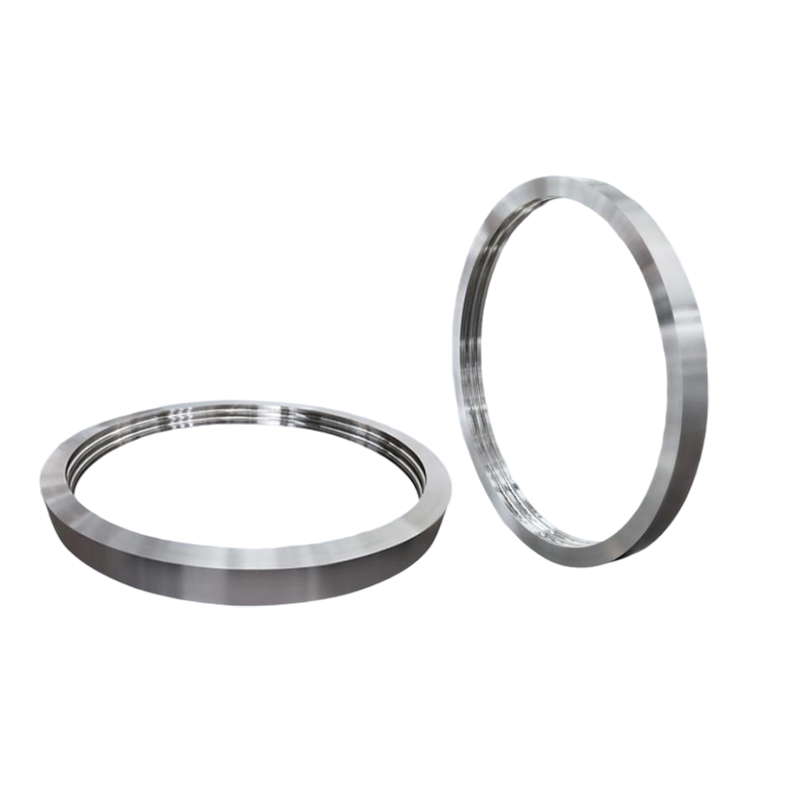
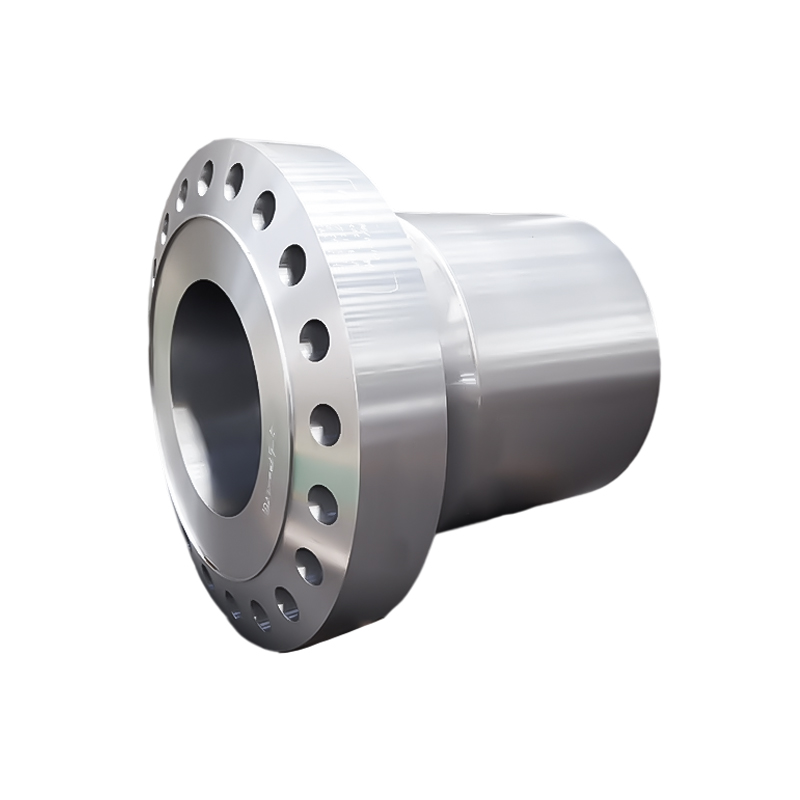
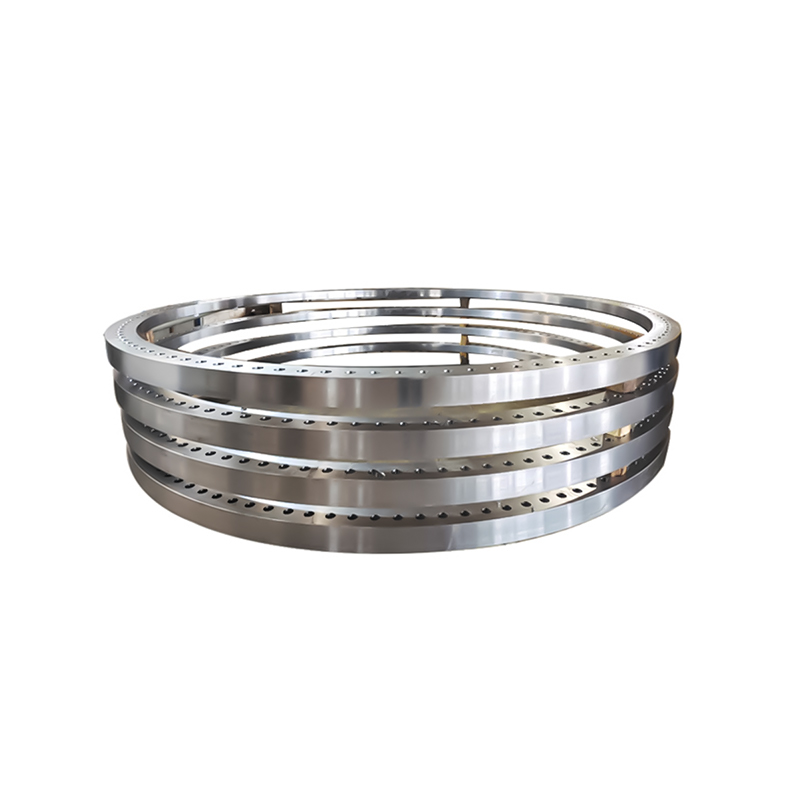
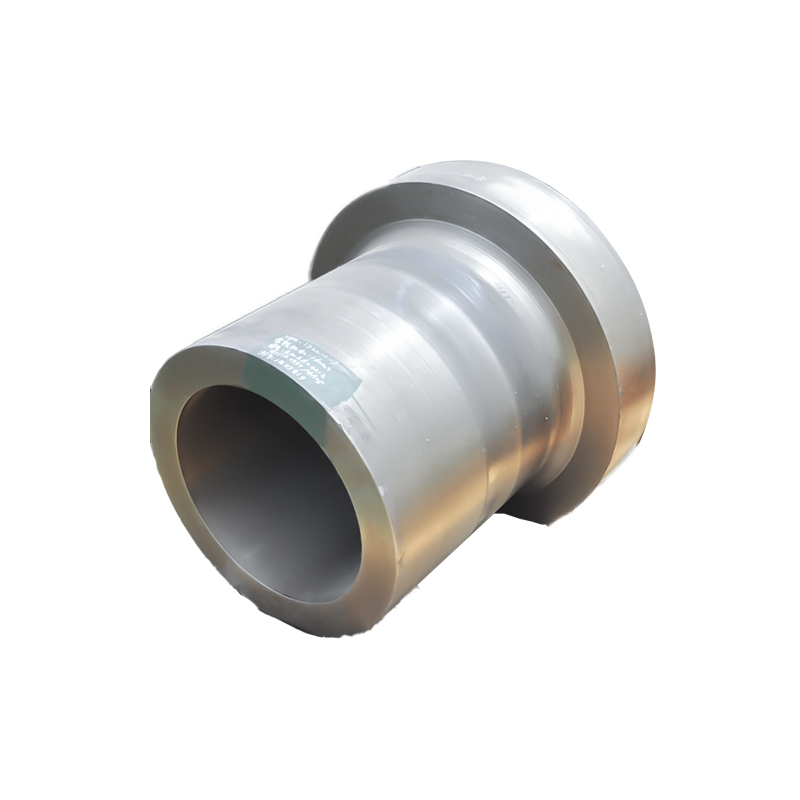
In the demanding world of high-performance manufacturing, components must withstand extreme pressures, temperatures, and corrosive environments. This is where stainless steel forgings become indispensable. Unlike parts made through casting or machining from bar stock, forged stainless steel components offer superior mechanical properties, reliability, and longevity. This guide delves deep into the world of stainless steel forging, exploring its processes, critical advantages, and why it is the preferred choice for industries where failure is not an option.
Forging is a manufacturing process that shapes metal using localized compressive forces. When applied to stainless steel, it involves heating the alloy to a specific temperature and then deforming it with a hammer, press, or ring roller. This physical manipulation fundamentally changes the metal's internal grain structure.
Different forging techniques are employed based on the desired final component's shape, size, and required properties.
Selecting forged stainless steel is a strategic decision for engineers focused on performance and total cost of ownership. The benefits are substantial and measurable.
The forging process aligns and refines the metallic grain structure. This results in components with superior toughness, ductility, and fatigue resistance compared to cast or machined alternatives. Forged parts can handle higher impact and shock loads, a critical factor in applications like heavy machinery and energy generation.
Forging eliminates internal voids, porosity, and inclusions common in castings. This creates a homogeneous, pore-free structure that ensures consistent performance and reliability throughout the entire component, which is vital for high-performance applications in sectors like oil & gas and wind power.
Stainless steel's primary alloying element is chromium, which forms a passive oxide layer protecting against rust. Forging preserves and enhances this inherent property by creating a dense, non-porous surface. This makes corrosion resistant stainless steel forgings ideal for marine, chemical processing, and pharmaceutical environments.
While the initial tooling cost for closed-die forging can be higher, it becomes exceptionally cost-effective for large production runs. The process yields near-net shapes, minimizing raw material waste and reducing the time and cost of subsequent machining. This efficiency is a key consideration for projects requiring high volume stainless steel forged parts.
To fully appreciate the value of forging, it's essential to compare it with other common manufacturing techniques. The following table highlights the key differences.
| Property/Consideration | Stainless Steel Forgings | Casting | Machining from Bar Stock |
| Grain Structure | Refined, directional grain flow for superior strength. | Random, often coarse grain with potential for shrinkage cavities. | Unchanged from original stock; may be cut across grain. |
| Strength & Fatigue Resistance | Exceptionally high in all directions; excellent for dynamic loads. | Generally lower; porosity can create stress points. | Depends on stock quality; anisotropic properties. |
| Material Efficiency | High for closed-die; near-net shape minimizes waste. | High; complex shapes are easily formed. | Low; significant material is removed as chips. |
| Production Speed for Complex Parts | Fast once dies are made; ideal for volumes. | Fast for intricate shapes; good for prototypes. | Slow; removal rate limits speed. |
| Best For | Critical, high-stress, high-volume components. | Intricate, low-stress shapes or prototypes. | Low-volume, simple geometries, or prototypes. |
As shown, forging provides the optimal balance of strength, reliability, and long-term value for critical components.
The unique properties of stainless steel forgings make them vital in sectors where safety, durability, and performance are paramount.
Founded in 2019, Maiterio Group has rapidly established itself as a leader in the manufacture of precision-engineered forged components. Our dedication is rooted in serving high-performance applications for global industry leaders.
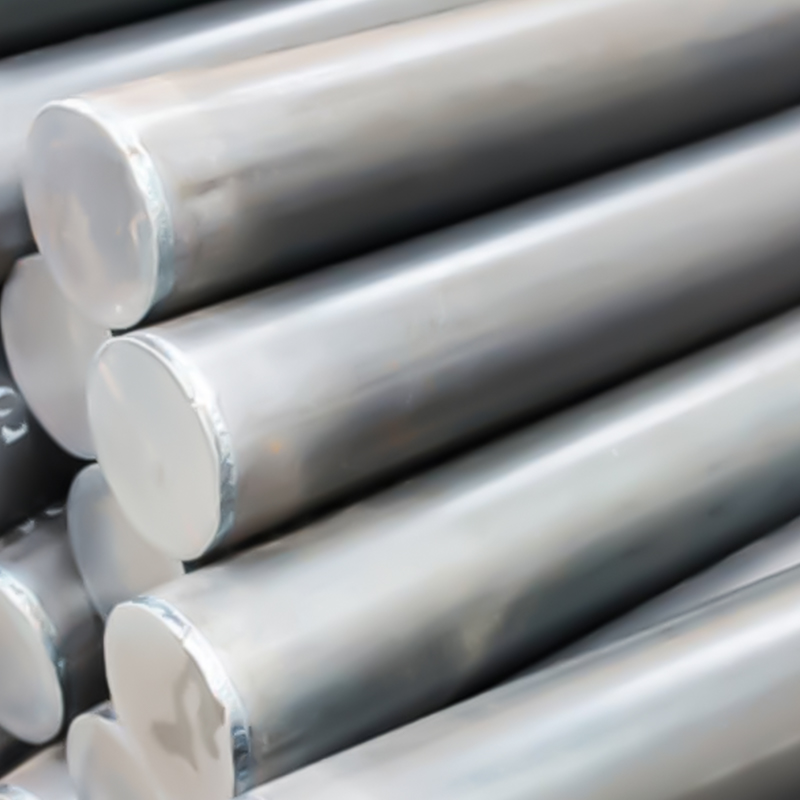
Common forged grades include Austenitic series like 304/304L and 316/316L for general corrosion resistance, Martensitic series like 410 and 420 for high strength and wear resistance, and Duplex steels like 2205 for exceptional strength and chloride resistance. The choice depends on the specific mechanical and environmental requirements.
Forging compresses and works the metal, breaking up as-cast structures, closing voids, and refining the grain size. This results in a continuous grain flow that aligns with the part's shape, dramatically increasing tensile strength, toughness, and fatigue life compared to the original billet or casting.
The core difference is in the internal soundness and grain structure. A forging is denser, with aligned grains, making it stronger and more reliable under shock and fatigue loads. A casting may contain microscopic porosity and has a random, often coarser grain structure, making it more susceptible to fracture under similar conditions.
Yes, through closed-die (impression-die) forging, highly complex and intricate shapes can be produced as near-net shapes. While there are design limitations (like draft angles and parting lines), modern forging techniques and subsequent precision machining can achieve remarkably complex final geometries suitable for high-performance applications.
The most demanding industries are primary specifiers. These include oil & gas (for valves and wellhead parts), power generation (for turbine and wind components), aerospace & defense (for critical structural parts), and heavy industrial machinery (for high-wear, high-strength components like forged shafts and cylinders).

No.1317 Gangcheng Road, Daxin Town, Zhangjiagang, Jiangsu, China
WhatsApp:+86-151 5156 6388 Terry Huang
+86-151 5156 6388 Terry Huang
+86-138 1299 2607 Maggie Xia
Terry Huang -VP of Sales
[email protected]
Maggie Xia -VP of Sales
[email protected]

 Previous