
 English
 Español
 русский
News
Home / News / Industry News / What Is a Forge: How Forging Works, Steel Forging & Forged Metal Explained
A forge is a facility or apparatus used to shape metal through the controlled application of compressive force — either by hammering, pressing, or rolling — while the metal is heated to a temperature that increases its plasticity without melting it. The term "forge" refers both to the physical workplace (a blacksmith's forge) and to the specific heating apparatus within it: the furnace or hearth that raises metal to working temperature.
The definition of forged metal is metal that has been shaped by plastic deformation under compressive force, as opposed to being cast (poured in liquid form into a mold) or machined (cut away from a larger billet). Forging does not melt the material — the metal remains solid throughout the process, and its internal grain structure is actively compressed and refined rather than broken or remelted.
Historically, forges were coal or coke-fired hearths where a blacksmith heated iron or steel bars to orange or yellow heat before shaping them on an anvil. Modern industrial forges use gas-fired or induction furnaces, hydraulic presses generating forces up to 50,000 tons, and closed dies precision-machined to produce near-net-shape components with tight dimensional tolerances.
The word forging carries two distinct meanings in manufacturing contexts, and distinguishing them avoids confusion when reviewing specifications or supplier documentation:
As a process, forging is the thermo-mechanical working of metal in the solid state. Heat reduces the material's yield strength and increases ductility, allowing plastic deformation to occur at lower applied forces without fracture. The applied compressive force reshapes the billet, closing internal porosity, refining grain size, and aligning the metal's crystalline grain flow with the final part geometry.
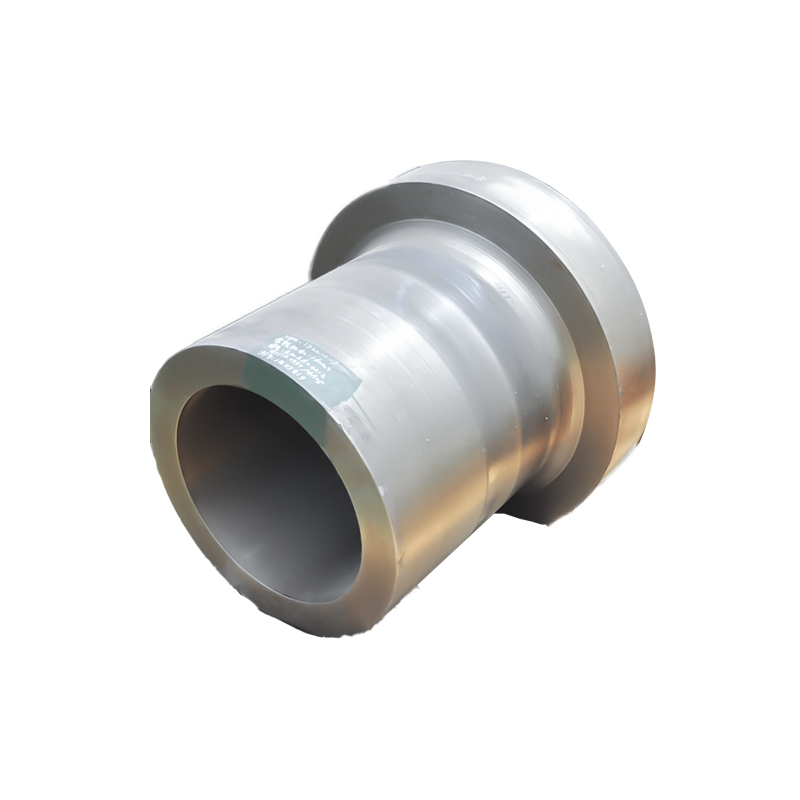
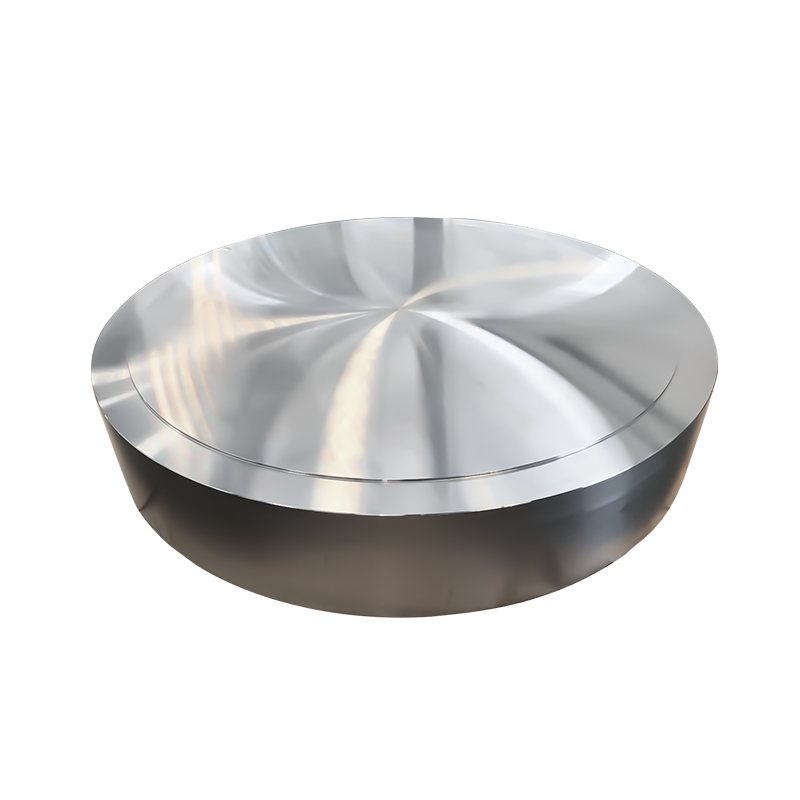
As a product, a forging is the finished component produced by this process — a crankshaft, connecting rod, gear blank, flange, or structural fitting that has been shaped by forging rather than casting or machining. When a drawing or specification states "material: forging" or "forged steel per ASTM A668," it is specifying both the material form and the manufacturing route.
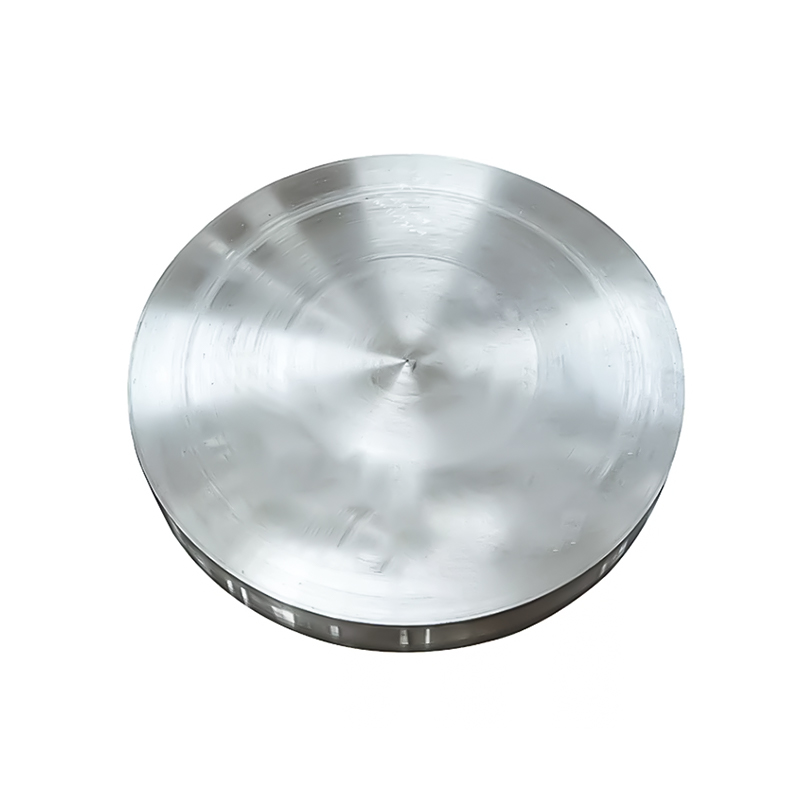
Forged metal is any metallic material — steel, aluminum, titanium, nickel superalloy, copper, or others — that has been processed through forging. The designation "forged" in a part specification is meaningful: it indicates a specific set of mechanical property advantages that cast or bar-stock alternatives do not inherently provide. Common forged metals include:
Understanding the parts of a forge — whether a traditional smithing setup or a modern industrial press line — clarifies how the process translates heat and force into shaped metal.
The furnace heats the metal billet or bar to forging temperature. Traditional smithing forges use a coal or coke fire blown by a bellows or electric blower through a tuyere (air inlet) at the base of the hearth. Industrial forges use gas-fired box furnaces, rotary hearth furnaces, or induction heaters for precise, repeatable temperature control. Forging temperature varies by alloy: carbon steel is typically worked between 1,100–1,250°C; aluminum alloys between 350–500°C; titanium between 900–1,050°C.
In open-die and hand forging, the anvil is the hardened steel surface against which the workpiece is deformed. Industrial hammers and presses use a bolster — a rigid lower die holder — that supports the bottom die. The anvil or bolster must absorb repeated impact loads without deforming; hardened tool steel with hardness of 55–62 HRC is standard for die materials.
The moving upper tool delivers compressive force. In hammer forges (drop hammers, counterblow hammers), a weighted ram falls under gravity or is driven pneumatically or hydraulically, delivering energy in rapid impact blows — measured in kilogram-meters (kgm) or foot-pounds of energy. In press forges, a hydraulic or mechanical ram applies slower, sustained squeezing force — measured in tons or kilonewtons — which penetrates deeper into the workpiece cross-section than impact blows.
Dies are precision-machined tool steel blocks containing the negative impression of the final part geometry. Open dies (flat, V-shaped, or contoured) are used for large ingots and custom shapes; closed dies (impression dies) fully enclose the workpiece and produce near-net-shape forgings with flash — excess material that is trimmed after forging. Die design determines material flow, grain orientation, and dimensional accuracy of the finished forging.
After closed-die forging, a trim press removes the flash from around the part perimeter. Shot blast machines clean scale from the forging surface. Heat treatment furnaces (for normalizing, quenching, and tempering) and straightening presses complete the forging production line before inspection and machining operations begin.
How forging works at the metallurgical level explains why forged components consistently outperform cast equivalents in fatigue life, impact resistance, and tensile strength — properties that matter critically in demanding structural, automotive, and aerospace applications.
All wrought metals — bar stock, plate, sheet — contain a fibrous grain structure aligned with the direction of prior rolling or extrusion. During forging, the applied compressive force bends and redirects this grain flow to follow the contour of the finished part. In a forged connecting rod, for example, grain lines run continuously from the small end, through the shank, around the big end bore — uninterrupted by machining cuts that would sever them in a machined-from-bar alternative. This continuous grain flow gives forged parts superior resistance to the stress concentrations that initiate fatigue cracks.
Cast ingots and billets contain internal porosity — gas pores and shrinkage cavities formed during solidification. Forging compressive forces collapse and weld these voids shut, producing a fully dense material with no internal discontinuities. Ultrasonic testing of forgings routinely demonstrates cleaner internal soundness than equivalent castings, a critical requirement for pressure-containing components in oil and gas and power generation.
Mechanical working at elevated temperatures — within the hot working range above the recrystallization temperature — causes repeated cycles of deformation and recrystallization that progressively refine the grain size. Finer grain size improves yield strength, tensile strength, and impact toughness simultaneously, per the Hall-Petch relationship. A steel forged to ASTM grain size 7–8 will be measurably tougher than the same steel left in its as-cast grain structure of size 2–3.
Steel forging is the most commercially important segment of the global forging industry, accounting for the majority of forging tonnage produced worldwide. Steel's combination of high strength, wide alloy range, heat treatability, and relatively low raw material cost makes it the default choice for structural, mechanical, and pressure-containing forgings across industrial sectors.
How steel is forged depends on the part size, geometry, production volume, and dimensional tolerance required. The principal forging methods for steel are:
Forging temperature selection for steel depends on carbon content and alloy additions. Low-carbon steels (0.10–0.30% C) are forged at 1,150–1,280°C; medium-carbon steels at 1,050–1,200°C; high-carbon and alloy steels at 1,050–1,150°C. Forging below the minimum temperature risks cracking; forging above the maximum risks grain coarsening, burning (grain boundary oxidation), or incipient melting at segregated zones.
Forged internals is a term used in performance automotive and motorsport engineering to describe the critical reciprocating and rotating components inside an engine that have been manufactured by forging rather than casting — specifically pistons, connecting rods, and crankshafts.
In a standard production engine, pistons are typically cast from hypereutectic aluminum alloy. Cast pistons are adequate for stock power levels but are heavier and more brittle under the shock loading of high cylinder pressures generated by forced induction (turbocharging or supercharging) or high compression naturally aspirated builds. Forged pistons — made from 2618 or 4032 aluminum alloy forged and then CNC machined to final dimensions — offer superior impact toughness, fatigue life, and thermal fatigue resistance at elevated temperatures.
Forged connecting rods, typically made from 4340 chromoly steel or titanium alloy, are lighter and stronger than powdered metal or cast rods. Their grain flow, running longitudinally through the rod shank and wrapping around the big end bore, directly resists the tensile loads generated at high RPM on the rod's compression and tension strokes. Connecting rod failure — a catastrophic "rod knock" that destroys the engine block — is almost exclusively a failure mode associated with cast or sintered rods, not quality forged units.
Forged steel crankshafts replace cast nodular iron units in high-performance and racing applications, providing the rigidity, fatigue strength, and torsional stiffness needed to sustain 8,000–15,000 RPM operation under elevated cylinder pressures without fatigue cracking at the fillet radii between main and rod journals.
Modern industrial forges are highly automated, instrumented production systems far removed from the image of hammer-and-anvil metalwork. Understanding how forges work at scale clarifies what production capabilities and quality controls buyers and engineers can expect from qualified forge suppliers.
| Forging Method | Typical Force / Energy | Part Weight Range | Representative Applications |
|---|---|---|---|
| Hydraulic Open-Die Press | 500–80,000 tons | 10 kg – 300+ tonnes | Shafts, discs, pressure vessel shells, nuclear components |
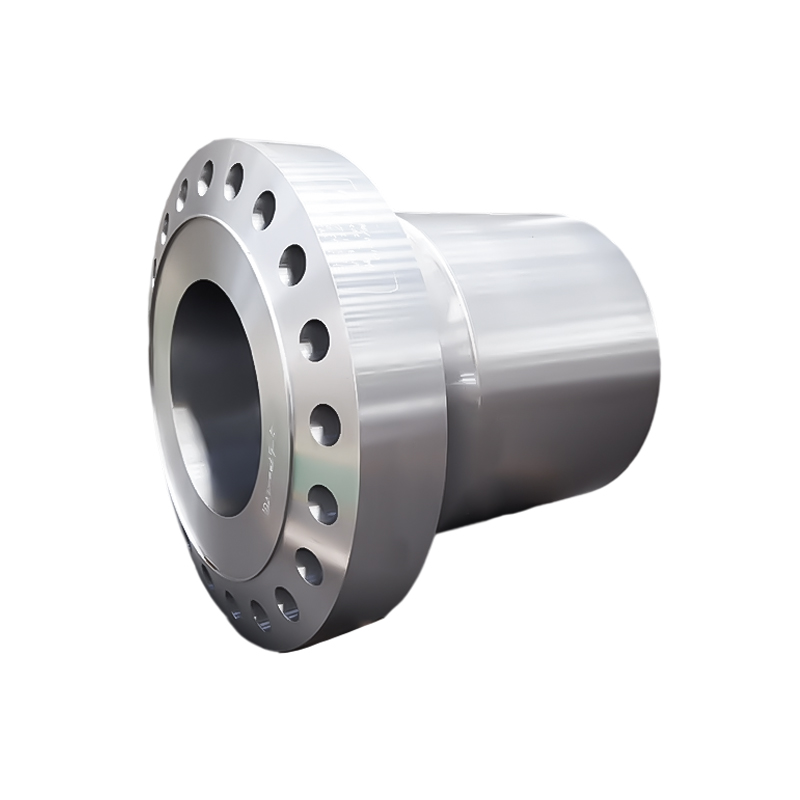
| Mechanical Closed-Die Press | 500–16,000 tons | 0.1 – 200 kg | Automotive crankshafts, connecting rods, flanges, gears |
| Gravity Drop Hammer | 0.5 – 50 kJ | 0.05 – 50 kg | Hand tools, small structural fittings, fastener heads |
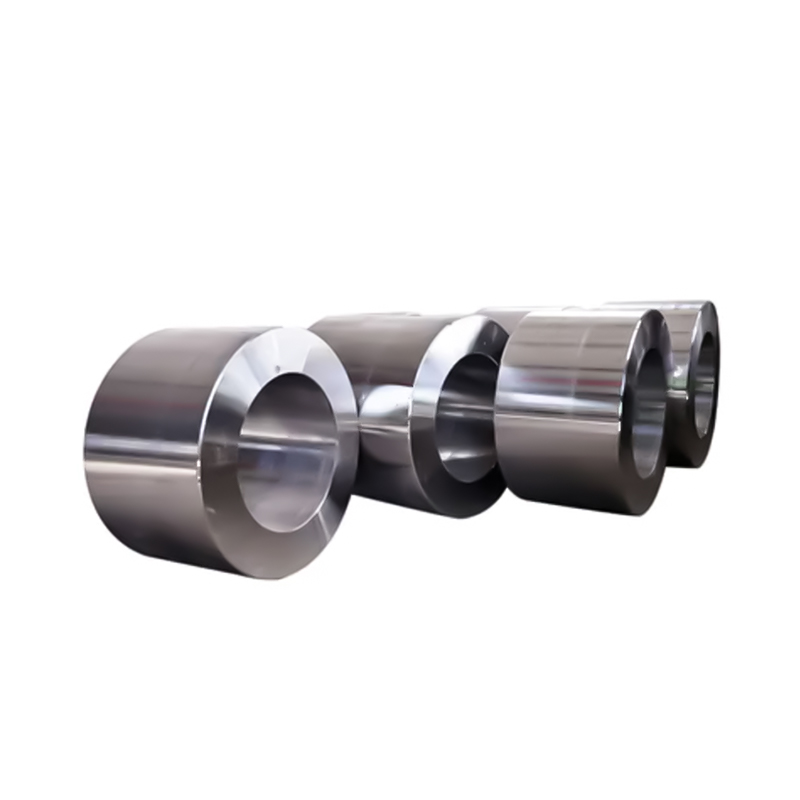
| Ring Rolling Mill | Variable radial force | 1 kg – 20+ tonnes | Flanges, bearing rings, gear blanks, aerospace frames |
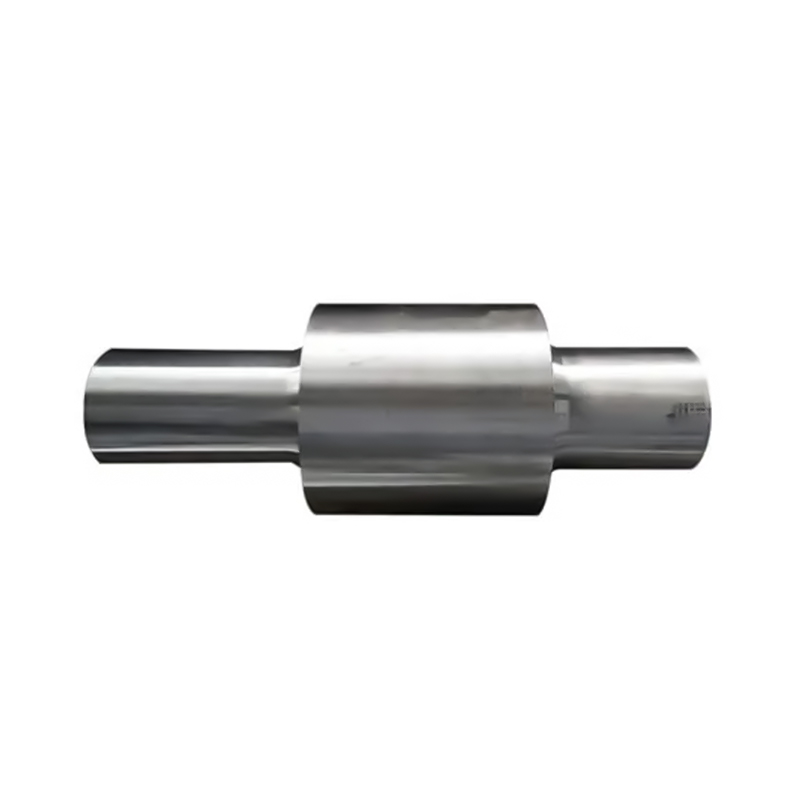
| Radial / Rotary Forging | Up to 2,000 tons | 0.5 – 5,000 kg | Stepped shafts, gun barrels, turbine rotor shafts |
Modern forge shops integrate furnace temperature logging, press force monitoring, die temperature measurement, and automated billet transfer to ensure process repeatability. Quality systems at aerospace and automotive-qualified forge plants operate under AS9100, IATF 16949, or Nadcap accreditation, with full material traceability from heat number through finished forging, and mandatory first-article inspection, mechanical testing, and non-destructive evaluation before shipment.
For buyers specifying forged components, engaging with forge suppliers early in the design phase — to optimize billet size, die parting line, draft angles, and grain flow orientation — consistently reduces per-piece cost, improves mechanical property consistency, and shortens the tooling qualification timeline.

No.1317 Gangcheng Road, Daxin Town, Zhangjiagang, Jiangsu, China
WhatsApp:+86-151 5156 6388 Terry Huang
+86-151 5156 6388 Terry Huang
+86-138 1299 2607 Maggie Xia
Terry Huang -VP of Sales
[email protected]
Maggie Xia -VP of Sales
[email protected]

 Previous