
 English
 Español
 русский
News
Metal forging is the process of shaping metal using compressive force — through hammering, pressing, or rolling — typically while the metal is heated to make it more malleable. Almost any metal that can be heated without becoming too brittle can technically be forged, but in practice, carbon steel, alloy steel, aluminum, titanium, and copper alloys dominate industrial forging because they offer the best combination of workability and the mechanical property improvements that forging provides.
What Metals Can Be Forged and Why Some Forge Better Than Others
A metal's forgeability depends on its ductility at forging temperature and how its grain structure responds to deformation. Steels with a face-centered cubic (FCC) crystal structure at high temperature deform more uniformly under compression, which is part of why steel is the most commonly forged metal in industrial settings.
| Metal | Forgeability | Common Forged Products |
|---|---|---|
| Carbon and alloy steel | Excellent | Tools, automotive components, structural fittings |
| Stainless steel | Good (requires higher force) | Valves, fittings, marine hardware |
| Aluminum alloys | Good (lower temperature needed) | Aerospace brackets, wheels |
| Titanium alloys | Moderate (narrow temperature window) | Aerospace structural parts, medical implants |
| Copper and brass | Excellent | Plumbing fittings, electrical connectors |
Metals with high carbon content above roughly 0.6%, as well as cast iron, are generally considered poor candidates for forging because they lack sufficient ductility even at elevated temperatures and tend to crack rather than deform under hammer or press force.
How Do You Forge Steel: The Basic Process Explained
Forging steel follows a sequence that hasn't fundamentally changed since traditional blacksmithing, even as the scale and equipment have evolved dramatically in industrial settings.
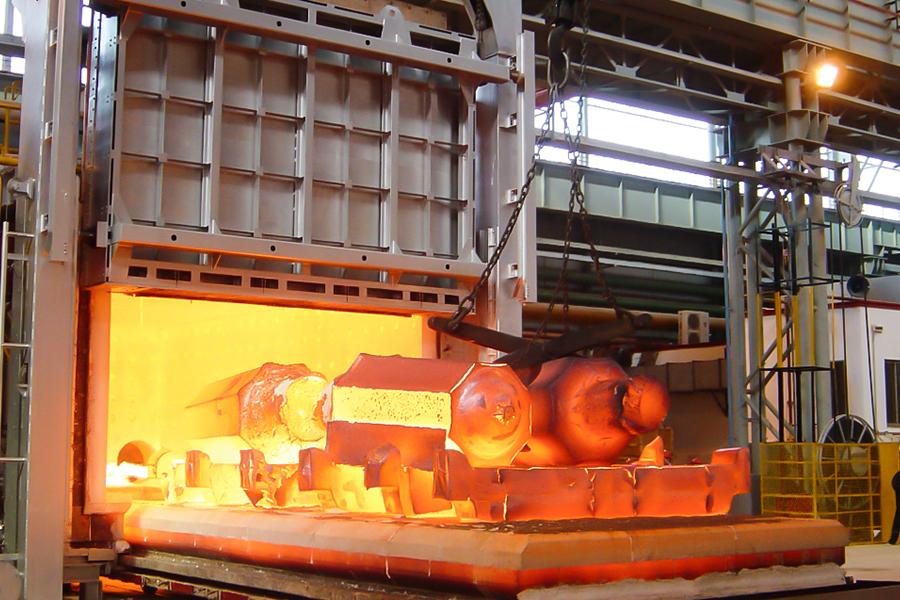
- Heating: The steel is heated in a forge — traditionally coal or coke-fired, now often gas or induction-heated — to its forging temperature, typically between 1,100°C and 1,250°C (2,000°F to 2,300°F) for most carbon steels, identifiable by a bright orange-to-yellow color.
- Deformation: Compressive force is applied through hammering, pressing, or rolling to shape the heated steel — this can be open-die (free-form shaping) or closed-die (forcing metal into a shaped cavity).
- Reheating as needed: Steel cools quickly once removed from the forge, and as it drops below the forging temperature range, it must be returned to the heat source before continuing — working steel that's too cool risks cracking rather than deforming.
- Normalizing or annealing: After shaping, the forged piece is often reheated to a controlled temperature and slowly cooled to relieve internal stresses created during forging and refine the grain structure.
- Finishing: Excess material (flash, in closed-die forging) is trimmed, and the part may undergo additional heat treatment, machining, or surface finishing depending on the final application.
Types of Metal Forging Processes
Industrial forging is generally categorized by temperature and by the die configuration used, and the choice between these methods depends on part complexity, production volume, and the mechanical properties required.
- Hot forging: Performed above the metal's recrystallization temperature, allowing significant shape change with relatively low force and reducing the risk of cracking — the most common method for steel.
- Cold forging: Performed at or near room temperature, producing parts with tighter dimensional tolerances and a smoother surface finish, but requiring significantly higher forces and limiting the amount of deformation possible without cracking.
- Warm forging: A middle ground performed at intermediate temperatures, balancing the lower force requirements of hot forging with some of the precision benefits of cold forging.
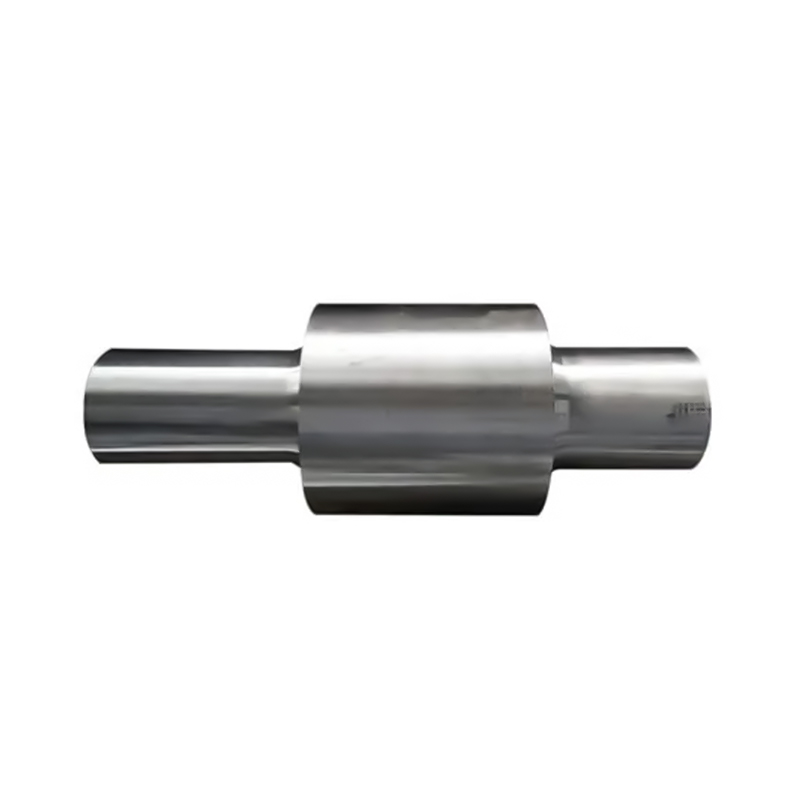
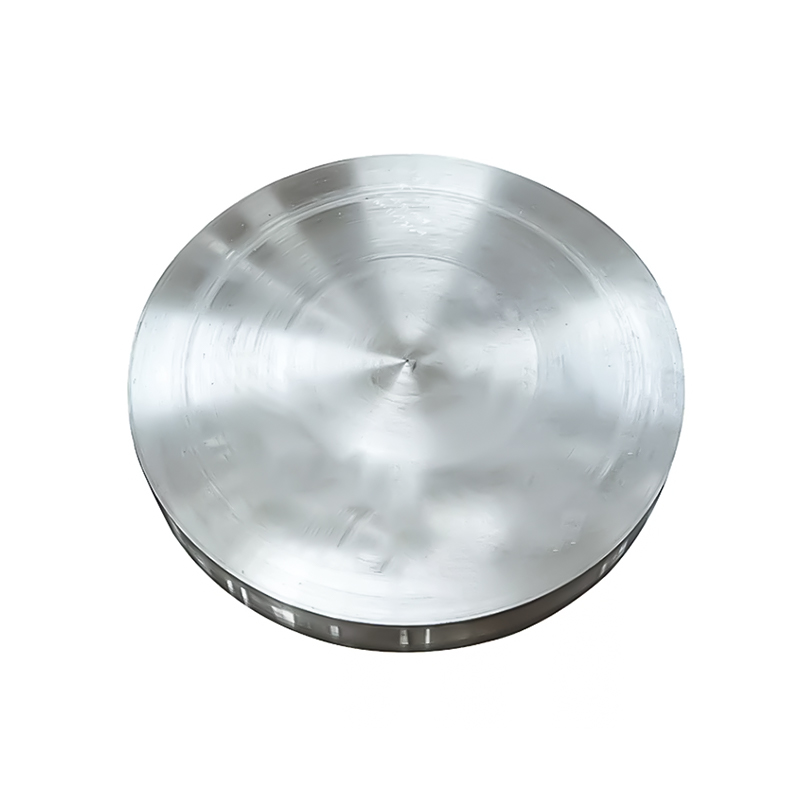
- Open-die forging: The metal is shaped between flat or simple-shaped dies that don't fully enclose it, allowing the metal to flow except where the dies contact it — used for large, simple shapes like shafts and discs.
- Closed-die (impression-die) forging: The metal is forced into a die cavity that fully encloses it, producing more complex shapes with tighter tolerances — used for high-volume parts like automotive components.
- Drop forging: A specific hammer-based forging method where a heavy weight is dropped onto the workpiece positioned in or on a die, commonly associated with traditional industrial forging operations.
What Is Forged Steel and How Carbon Content Affects the Result
"Forged steel" refers to steel that has been shaped through forging rather than casting (pouring molten metal into a mold) or machining (cutting material away from a solid block). The forging process compresses and aligns the steel's internal grain structure along the direction of deformation, which generally results in improved strength, toughness, and fatigue resistance compared to a cast part of the same composition — this is why forged components are often specified for parts subject to high stress or impact, such as crankshafts, gears, and structural fittings.
Carbon content is the primary factor distinguishing different grades of forging steel and determines the trade-off between strength, hardness, and ductility after forging:
| Steel Type | Carbon Content | Typical Forged Applications |
|---|---|---|
| Low-carbon steel | Up to 0.30% | Brackets, fittings, general structural parts |
| Medium-carbon steel | 0.30–0.60% | Gears, axles, crankshafts |
| Alloy steel (with Cr, Ni, Mo additions) | Varies, often 0.20–0.50% | High-stress automotive and industrial components |
Higher carbon content allows the forged part to reach greater hardness through subsequent heat treatment, but it also narrows the temperature window within which the steel can be safely forged without cracking — which is why high-carbon steels are forged with tighter temperature control and more frequent reheating.
What Do Blacksmiths Use: Tools and Equipment for Hand Forging
While industrial forging relies on hydraulic presses and mechanical hammers, the core tools used by blacksmiths for hand forging remain largely consistent with traditional practice, scaled to the size of the work being done.
- Forge: A heat source — traditionally a coal or coke-fired forge, with propane and induction forges now common — used to bring steel to forging temperature
- Anvil: A heavy steel block providing a stable, rigid surface to hammer against, with various features (horn, hardy hole, pritchel hole) used for different shaping techniques
- Hammers: A range of hammer weights and face shapes for different tasks — cross-peen hammers for drawing out metal, ball-peen and rounding hammers for texturing and shaping
- Tongs: Used to hold hot workpieces securely, with different jaw shapes designed for round stock, flat stock, or specific part geometries
- Chisels and punches: Used while the metal is hot to cut, pierce, or create decorative texture
- Quenching tank: A container of water, oil, or other quenchant used to rapidly cool steel for hardening, with the choice of quenchant affecting the resulting hardness and risk of cracking
For both hand and industrial forging, color is the traditional indicator of temperature — a bright yellow-orange color generally corresponds to the optimal forging range for most carbon steels, while a dull red color indicates the steel has cooled below the safe working range and risks cracking if struck.
 Previous