
 English
 Español
 русский
News
Custom Stainless Steel Forgings, Built to Spec
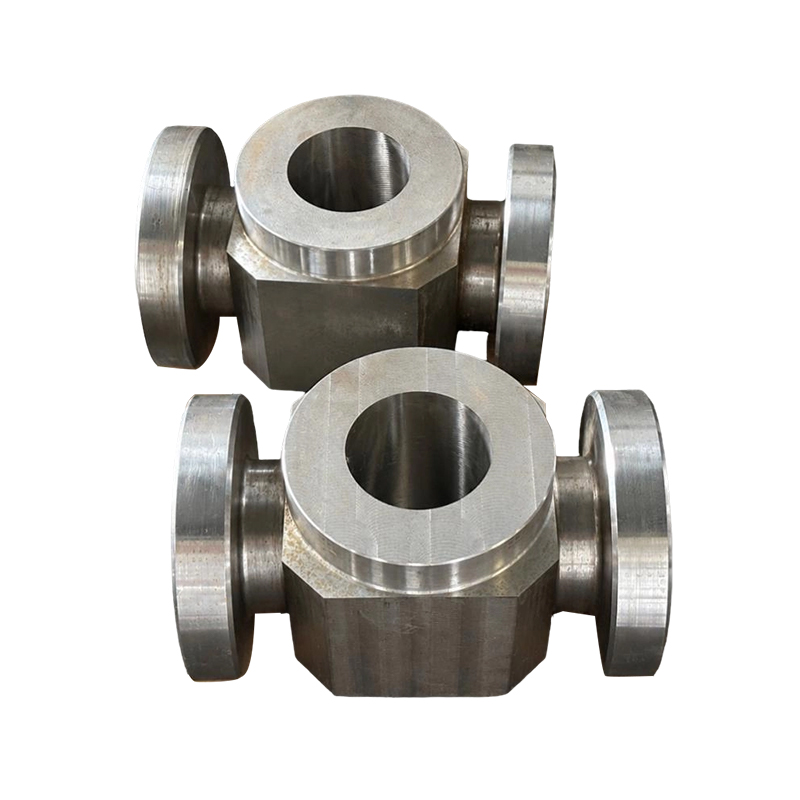
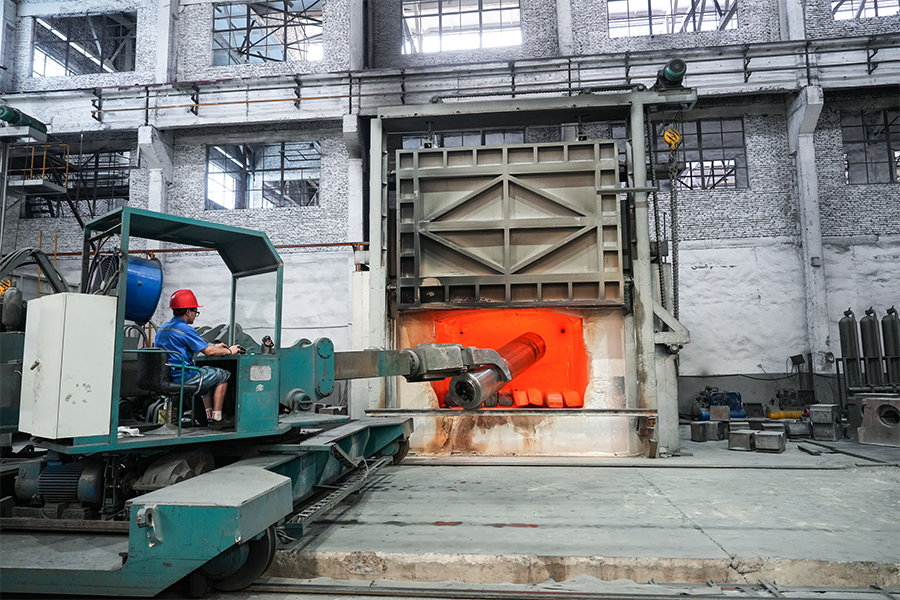
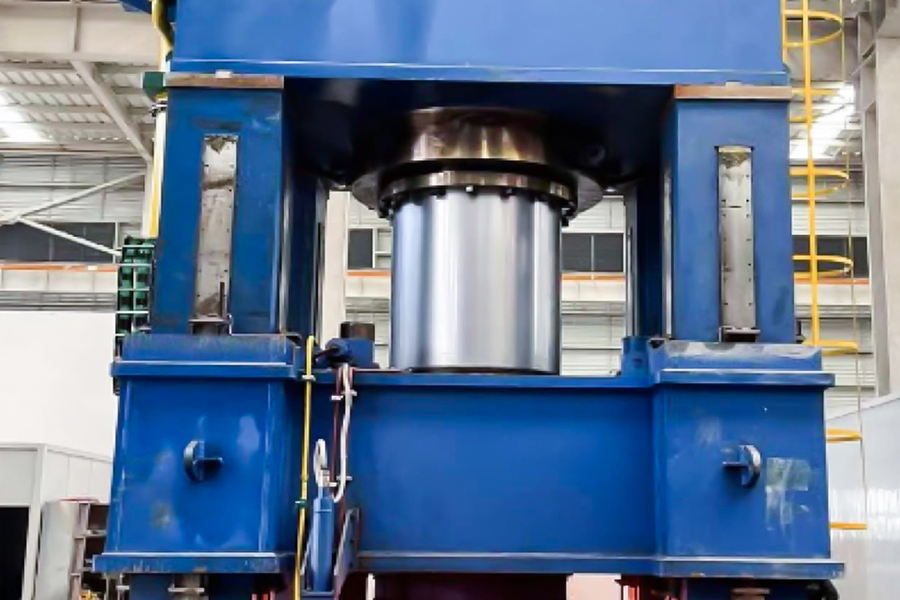
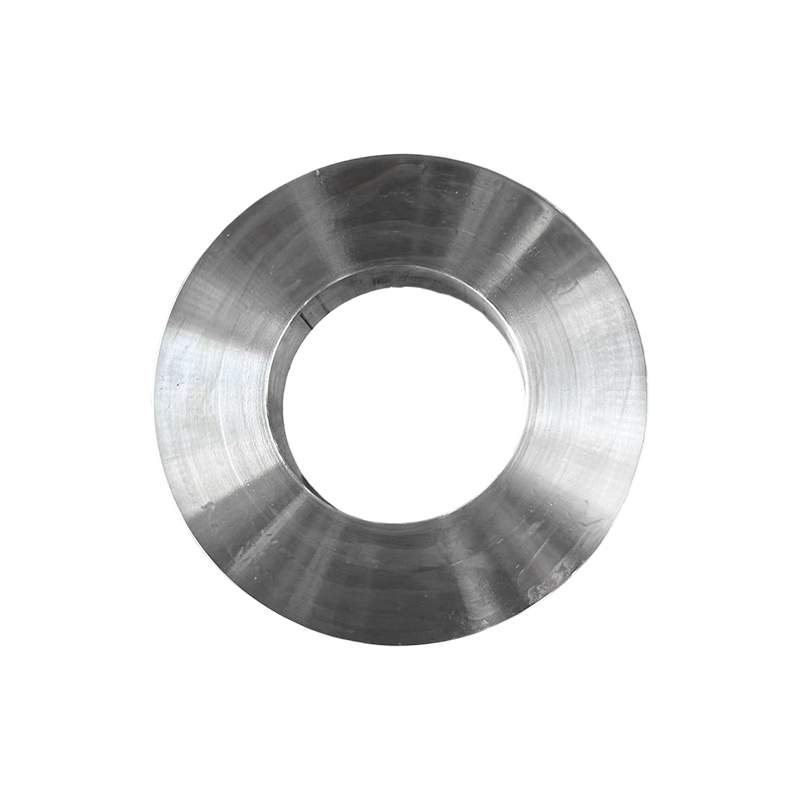
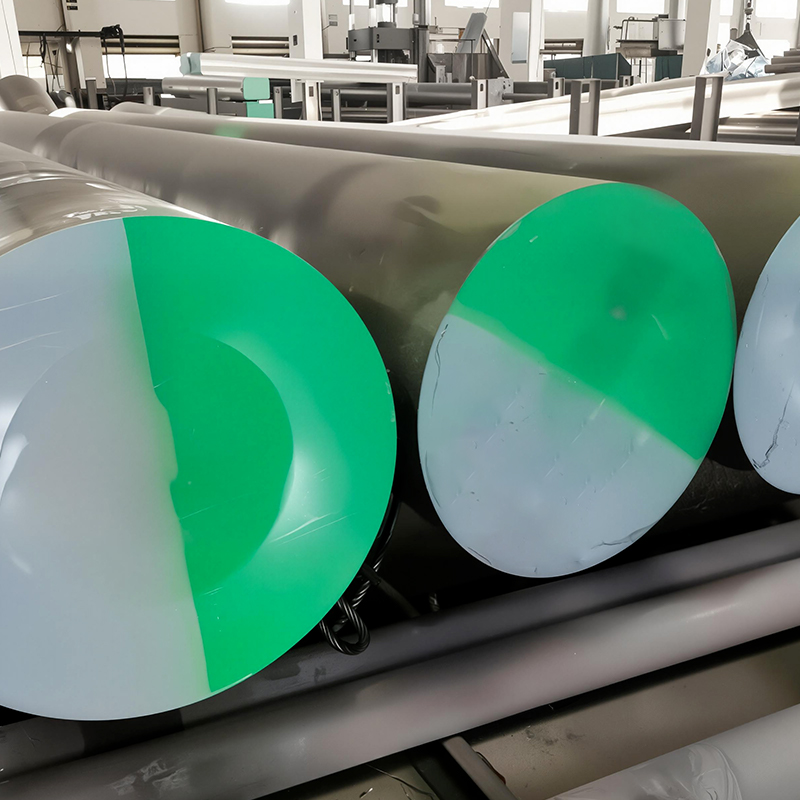
A custom stainless steel forgings manufacturer works from the customer's drawing, load case, and end-use environment rather than steering buyers toward a fixed catalog size. That flexibility matters most on programs where standard bar stock doesn't match the geometry or where a near-net-shape forging would save significant downstream machining time. Maiterio Group is one example of a supplier built around that kind of custom scope, running both ring forging and open die forging lines to cover prototype quantities through full production volume without switching factories mid-program.
For a stainless steel forged bars supplier serving an ongoing production program, batch-to-batch consistency is as important as the first article approval. That consistency comes down to traceable heat records, controlled forging temperature, and repeatable heat treatment — details worth confirming with any supplier before committing to a multi-batch order.
Stainless Steel Forgings for Industrial Applications
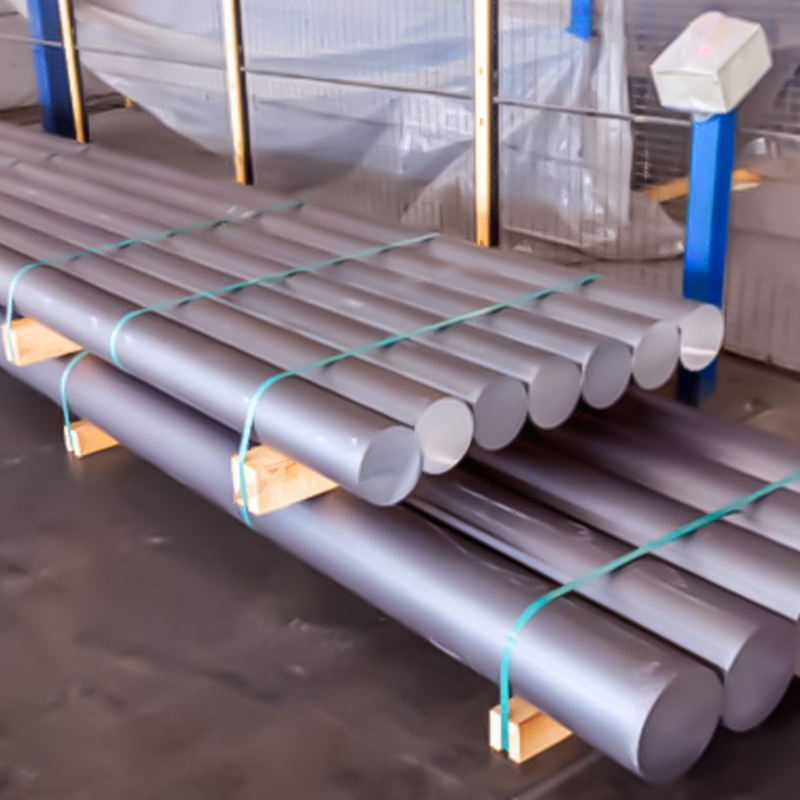
Stainless steel forgings for industrial applications cover a wide range of end uses — valve bodies, pump shafts, flanges, and structural fittings — that all share one requirement: the part has to hold up under mechanical load in an environment that would corrode ordinary carbon steel over time. These forgings show up in food and beverage processing equipment, chemical plants, water treatment systems, and general heavy machinery, where an early fastener or fitting failure means unplanned downtime rather than a scheduled maintenance event.
Lead time on industrial forging orders is heavily influenced by whether the supplier holds alloy steel stock in-house or has to procure billet from an outside source first — a supplier with existing inventory can often move from order confirmation straight into forging.
Stainless Steel Forgings for the Oil and Gas Industry
Oil and gas stud bolts, valve components, and wellhead fittings all demand forgings that can handle pressure, temperature swings, and corrosive service without shortcuts in heat treatment or testing. Grade selection is a major part of getting this right: 316 and 316L stainless, and duplex grades for the most demanding offshore or sour-service programs, are typically specified over 304 because of their higher resistance to chloride pitting.
Full material traceability and third-party or in-house test documentation — mill certificates, ultrasonic testing results, mechanical property verification — are generally non-negotiable for oil and gas buyers, since incoming inspection at the operator or EPC level depends on that paper trail being complete.
Stainless Steel Forgings for Aerospace Applications
Aerospace forgings leave essentially no room for undetected internal defects, which pushes quality processes well beyond a standard tensile test. Magnetic particle inspection, ultrasonic testing, and metallographic examination are routine requirements, alongside impact toughness testing to confirm the forging will hold up under both static load and sudden shock.
Precipitation-hardening grades such as 17-4PH are common choices for aerospace fittings and structural components where a high strength-to-weight ratio and good fatigue performance both matter, and every aerospace-directed forging needs full material traceability and test documentation to support certification.
Precision Stainless Steel Forged Components
Not every project needs a raw forged bar — forged stainless steel parts manufacturing often goes further, into near-net-shape components that reduce the machining time a customer's own shop needs to reach final dimensions. Closed die and precision open die processes hold tighter dimensional tolerance on the forging itself, which cuts material waste and machine time downstream.
Forged shafts, discs, cylinders, and other custom stainless steel forged components all benefit from die design and forging sequence being scoped around the final tolerance requirement before production starts, rather than adjusted after the first article comes off the line.
304 vs. 316 Stainless Steel Forgings
304 stainless steel forgings are the most commonly ordered grade across general industrial equipment, food-grade processing components, and standard corrosive-environment fittings, largely because they balance cost efficiency with solid corrosion resistance. 316 stainless steel forgings come into play whenever chloride exposure is part of the equation — marine hardware, offshore components, and chemical processing equipment where 304 wouldn't hold up to long-term pitting.
304L and 316L low-carbon variants are worth specifying for any application involving welding after forging, since the lower carbon content reduces the risk of carbide precipitation at the weld heat-affected zone and preserves corrosion resistance where it matters most.
 Previous