
 English
 Español
 русский
News
Home / News / Industry News / The Comprehensive Technical Guide to Carbon Steel Forgings: Engineering Excellence and Process Control
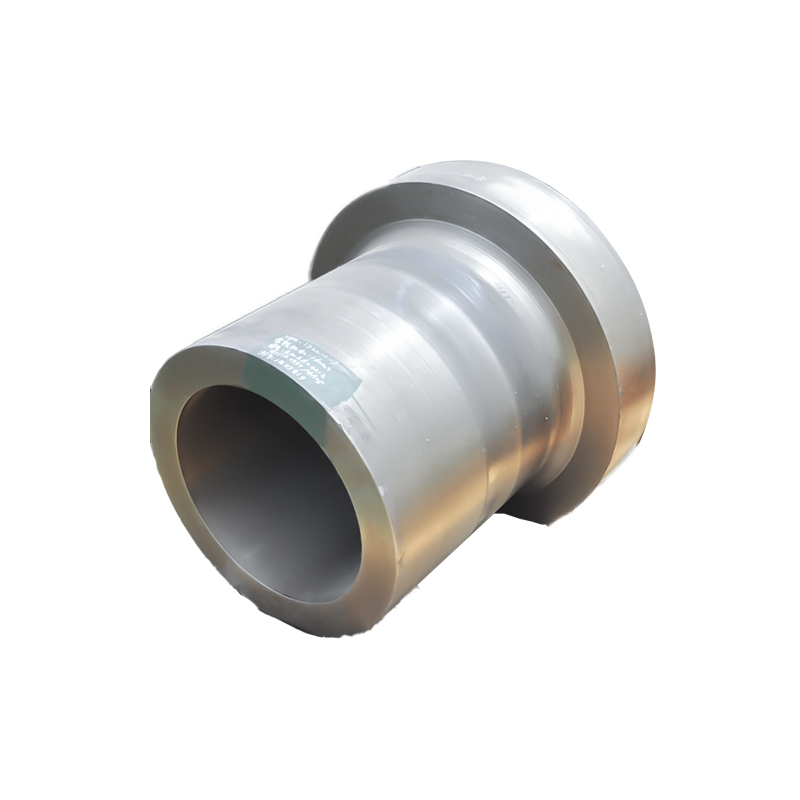
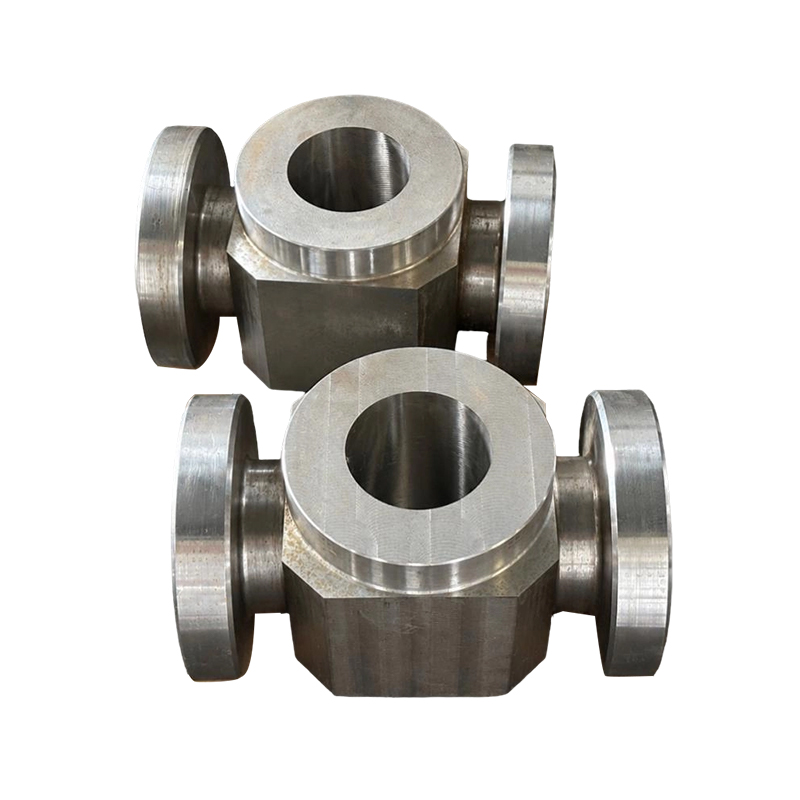
In the realm of high-stress industrial applications, Carbon Steel Forgings stand as the gold standard for structural integrity and mechanical reliability. Unlike casting or machining from bar stock, the forging process physically deforms the metal to align its internal grain flow, resulting in superior directional properties. For engineers and procurement specialists, selecting the right grade of Carbon Steel Forgings is not just about chemical composition; it involves a deep understanding of thermal processing, plastic deformation, and metallurgical transformation. This guide delves into the technical specifications and manufacturing nuances that define high-performance forged components.
The performance of industrial carbon steel forgings is dictated by the carbon content and the subsequent heat treatment. Low carbon steels (0.05% to 0.25% carbon) offer excellent weldability and ductility, while medium carbon steels (0.30% to 0.50%) provide a balanced profile of strength and toughness. When considering carbon steel forgings for oil and gas industry applications, the ability to withstand high pressures and corrosive environments is paramount. Engineers often specify normalized or quenched and tempered conditions to ensure the microstructure is homogeneous, eliminating internal voids that are common in cast alternatives.
As carbon content increases, the tensile strength and hardness of the forging improve significantly, though this comes at the cost of reduced ductility and increased difficulty in welding.
| Carbon Grade | Typical Tensile Strength (MPa) | Ductility (Elongation %) | Common Application |
| Low Carbon (AISI 1018) | 440 - 500 | 20 - 30 | Bushings, Brackets, General Fabrication |
| Medium Carbon (AISI 1045) | 570 - 700 | 12 - 20 | Gears, Shafts, Axles, Crankshafts |
| High Carbon (AISI 1080) | 800 - 1000 | 5 - 10 | Cutting Tools, High-Strength Springs |
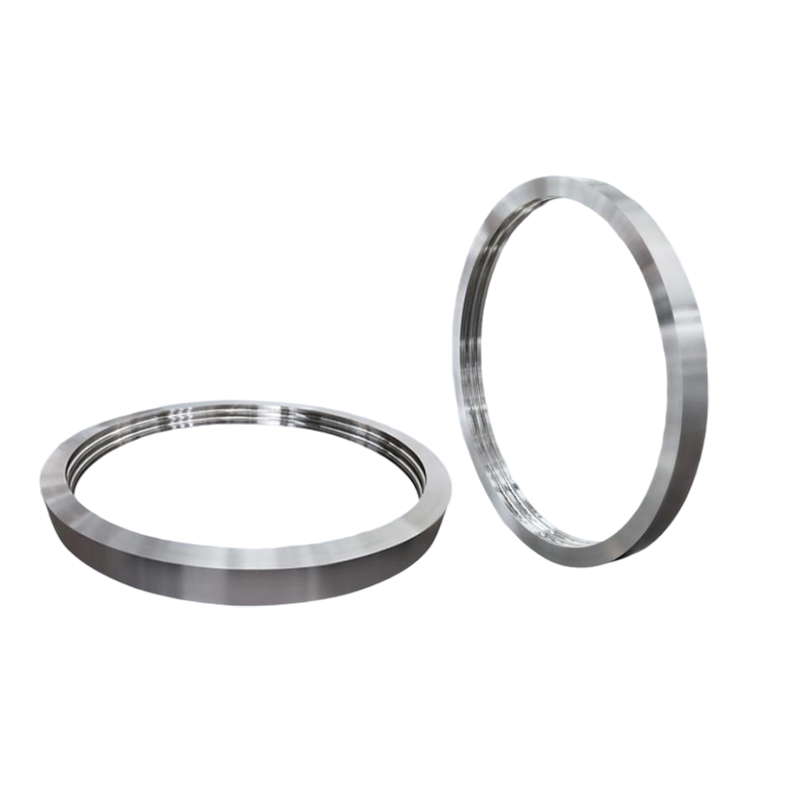
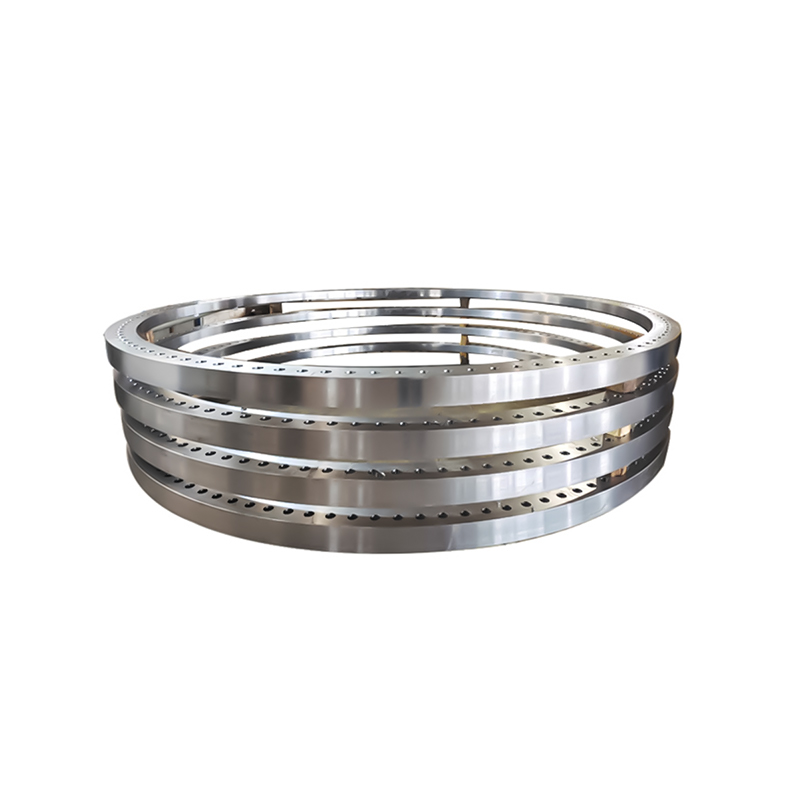
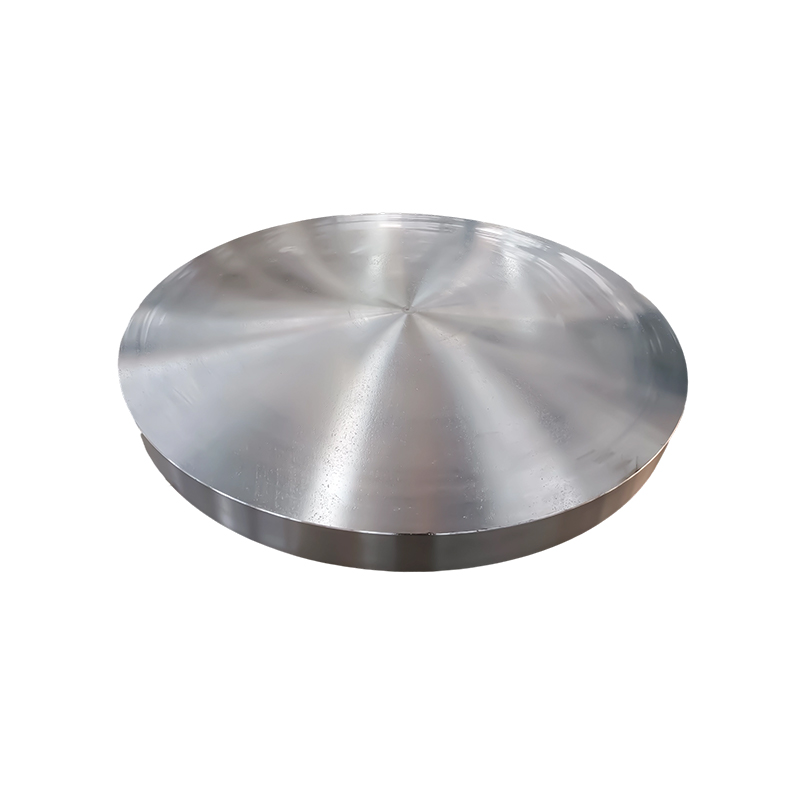
The choice between forging methods depends on the complexity of the part and the required production volume. Custom carbon steel forgings are frequently produced via open die forging for large-scale components like shafts and rings. Conversely, closed die forging (or impression die forging) is utilized for high-precision, high-volume parts. While open die forging offers flexibility in size without the need for expensive custom tooling, closed die forging provides superior dimensional tolerances and better material utilization for complex geometries.
Open die forging is characterized by its lower tooling costs and suitability for massive parts, whereas closed die forging excels in detail and consistency for smaller components.
| Feature | Open Die Forging | Closed Die Forging |
| Component Complexity | Simple (Blocks, Cylinders) | Complex (Gears, Connectors) |
| Tooling Cost | Low (Universal Dies) | High (Custom Die Sets) |
| Weight Range | Up to 100+ Tons | Typically under 500 kg |
| Grain Flow Control | Moderate | Superior / Precise |
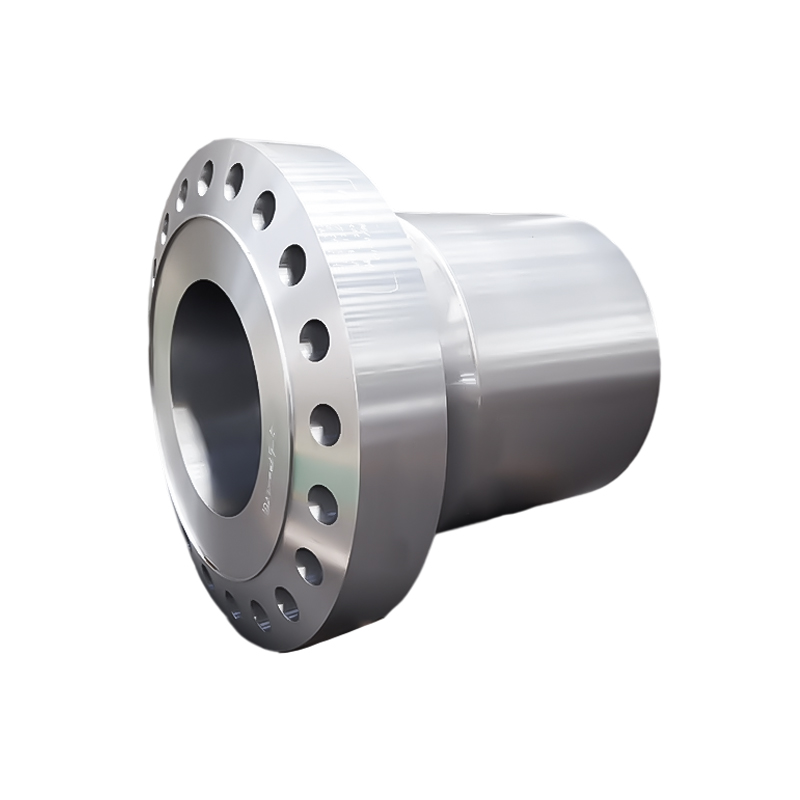
Adherence to international standards is non-negotiable for safety-critical components. The ASTM A105 carbon steel forgings standard is the most prevalent for piping applications, covering forged carbon steel components for ambient and higher-temperature service in pressure systems. For structural and general engineering, the ASTM A668 forging specifications provide a framework for different classes of carbon and alloy steel forgings. Understanding these carbon steel forging standards and grades allows engineers to match the material's yield strength and impact toughness to the specific environmental loads the component will face.
Even the highest quality Carbon Steel Forgings require secondary processing to achieve final design requirements. Machining of carbon steel forgings is often necessary to reach precise tolerances on mating surfaces. Furthermore, because carbon steel is susceptible to oxidation, protective coatings or platings are frequently applied. When comparing forged vs cast carbon steel properties, the forged version consistently exhibits 26% higher tensile strength and a 37% increase in fatigue life, making it the superior choice for dynamic loading environments.
Forging eliminates internal gas pockets and shrinkage that are inherent in casting, leading to a much higher density and more predictable failure modes.
| Property | Cast Carbon Steel | Forged Carbon Steel |
| Internal Porosity | Common (Needs NDT) | Virtually Non-Existent |
| Fatigue Resistance | Moderate | Excellent (Aligned Grain) |
| Response to Heat Treatment | Variable | Highly Predictable |
As the industry moves toward "Green Steel," the forging process standards are evolving to include energy-efficient induction heating and the use of recycled scrap as raw material. Selecting a carbon steel forging manufacturer in China or globally that utilizes modern hydraulic presses with energy recovery systems can significantly reduce the carbon footprint of a project without compromising the structural performance of the industrial forged steel components.
The primary advantage is the continuous grain flow. Machining "cuts" through the metal's natural grain, creating weak points. Forging deforms the grain to follow the contour of the part, providing superior strength-to-weight ratios and fatigue resistance.
ASTM A105 is specifically designed for high-pressure, high-temperature piping components. It offers predictable weldability and excellent strength at ambient temperatures, making it ideal for flanges, valves, and fittings.
Standard carbon steel can become brittle at low temperatures. To combat this, forgings are often treated with a normalization process or specific alloying elements (like manganese) to improve notch toughness, verified through Charpy impact testing.
Using open die forging techniques, industrial components like generator rotors or ship propulsion shafts can exceed 100 tons in weight and 20 meters in length.
Generally, no. Forgings are more homogeneous and lack the hard spots or sand inclusions often found in castings, which actually helps extend tool life during the machining process.

No.1317 Gangcheng Road, Daxin Town, Zhangjiagang, Jiangsu, China
WhatsApp:+86-151 5156 6388 Terry Huang
+86-151 5156 6388 Terry Huang
+86-138 1299 2607 Maggie Xia
Terry Huang -VP of Sales
[email protected]
Maggie Xia -VP of Sales
[email protected]

 Previous