
 English
 Español
 русский
News
Home / News / Industry News / What Are the Key Benefits of Alloy Steel Forgings for Industrial Applications?
In the demanding world of industrial manufacturing, the choice of material and forming process is paramount to the performance, safety, and longevity of critical components. Among the various options, alloy steel forgings stand out as a premier solution for applications where failure is not an option. This article delves into the specific advantages of alloy steel forgings, explaining why they are the backbone of industries ranging from aerospace and energy to heavy machinery and automotive. We will explore their superior mechanical properties, the science behind their performance, and address common questions engineers and procurement specialists face when specifying these components.
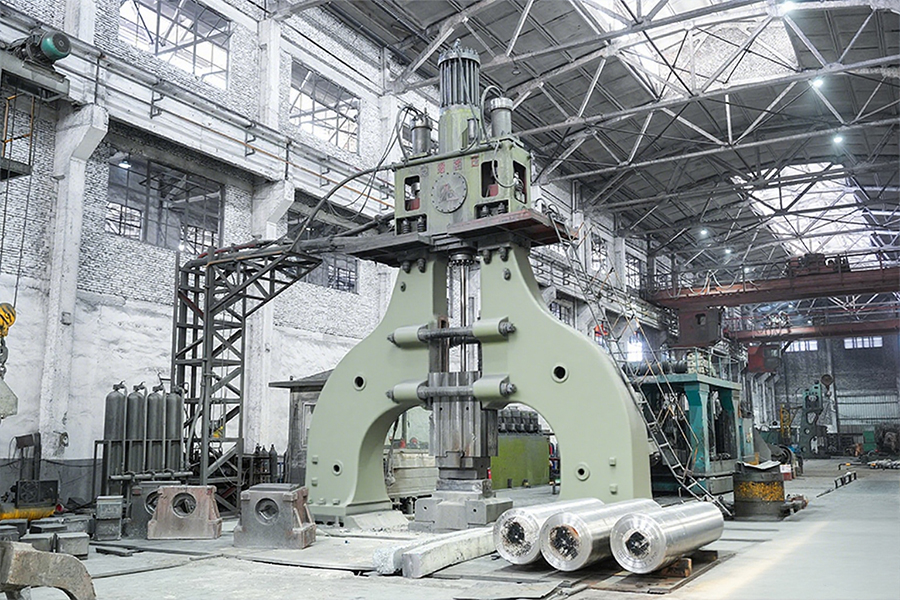
The primary advantage of alloy steel forgings lies in the profound enhancement of mechanical properties achieved through the forging process itself. Unlike casting or machining from bar stock, forging involves the controlled plastic deformation of heated alloy steel under immense pressure. This process refines the internal grain structure of the metal, aligning it with the contours and stresses of the final part's shape. The result is a continuous grain flow that eliminates porosity, cavities, and internal discontinuities common in castings. This metallurgical transformation yields components with exceptional strength, particularly fatigue strength and impact toughness. Forged parts can withstand high cyclic loading and sudden shocks without catastrophic failure, a critical requirement for components like crankshafts, connecting rods, and gear blanks. The forging process also improves the material's ductility and creates a more consistent and predictable response to heat treatment, ensuring uniform hardness and strength throughout the entire cross-section of the part. This level of reliability is simply unattainable with other manufacturing methods for high-stress applications.
To fully appreciate the value of alloy steel forgings, it is essential to contrast them with parts made via other common processes like casting or machining from rolled bar. While casting can produce complex shapes cost-effectively, the as-solidified structure often contains micro-shrinkage, gas porosity, and non-metallic inclusions that act as stress concentrators and initiation points for failure. Machining from bar stock, on the other hand, simply cuts away material, leaving the original mill-produced grain structure intact, which is typically not oriented to handle multidirectional stresses. Forging transforms this structure. A key consideration for many engineers is understanding the specific scenarios where forging is non-negotiable. This is particularly true when seeking components with high fatigue life or when a part's failure would result in disproportionate safety or economic consequences. The following table outlines the critical differences.
| Property/Process | Alloy Steel Forging | Alloy Steel Casting | Machined from Bar |
| Internal Soundness | High (no porosity) | Variable (risk of shrinkage/porosity) | Depends on bar quality |
| Grain Structure | Refined, directional flow | Coarse, random | Unmodified, as-rolled |
| Fatigue Strength | Very High | Moderate to Low | Moderate |
| Impact Toughness | Excellent | Good to Fair | Good |
| Material Utilization | Moderate (some flash loss) | High (near-net shape) | Low (significant waste) |
| Best For | Critical high-stress, high-cycle parts | Complex, low-stress shapes | Prototypes, low-volume simple shapes |
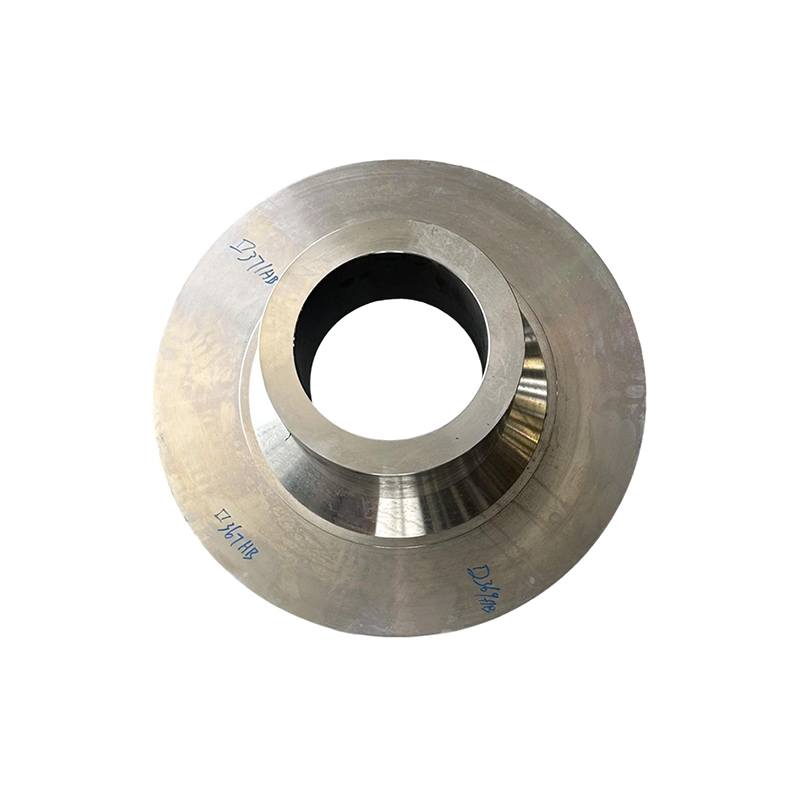
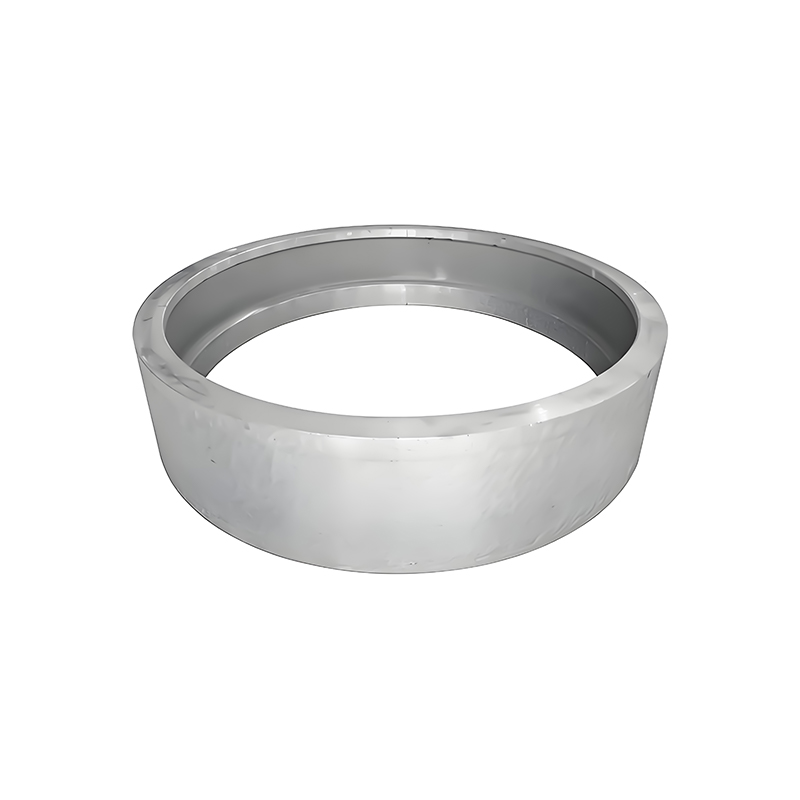
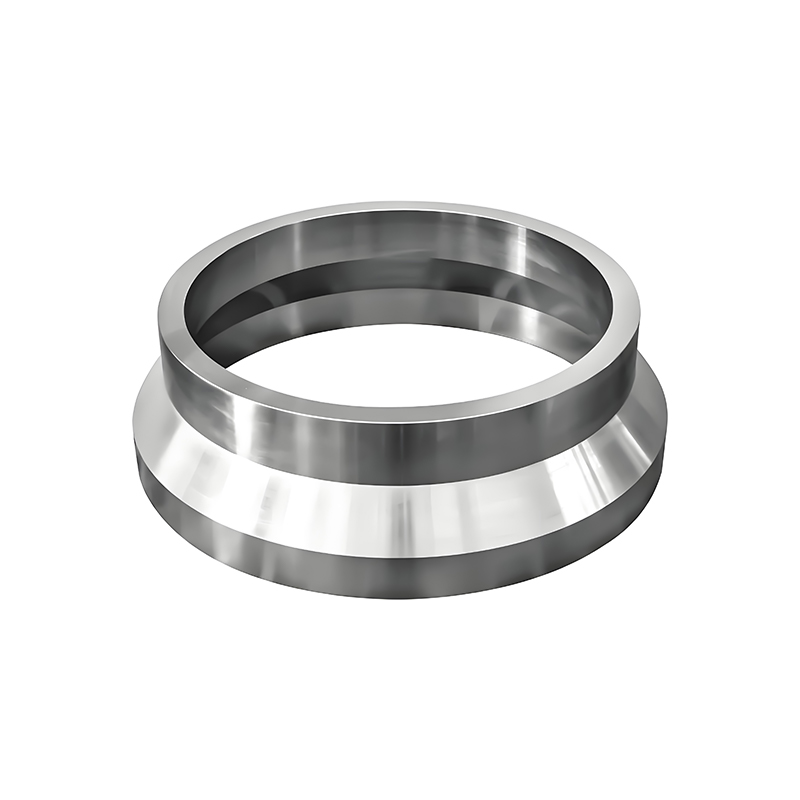
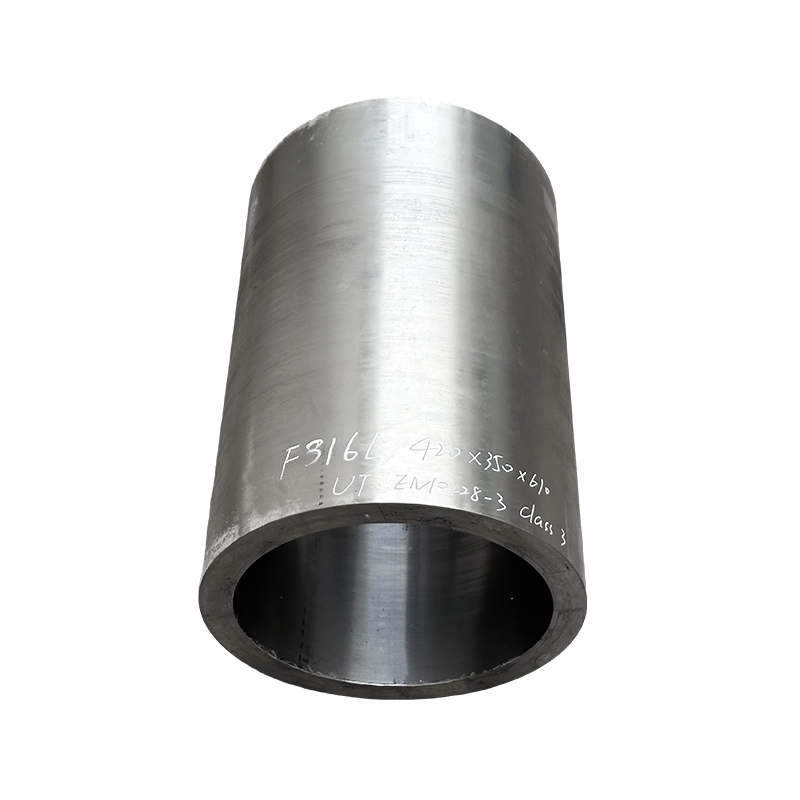
A significant, yet sometimes overlooked, benefit of alloy steel forgings is the immense flexibility in material selection and custom engineering they offer. The term "alloy steel" encompasses a vast family of metals where elements like chromium, nickel, molybdenum, and vanadium are added to plain carbon steel to impart specific characteristics. This allows forgers and design engineers to tailor the material chemistry precisely to the application's environmental and mechanical demands. For instance, a component operating in a highly corrosive offshore environment would specify a forging made from a stainless alloy steel like 316L, while a high-temperature turbine disk would require a creep-resistant nickel-chromium superalloy. The forging process is compatible with this wide range of materials. Furthermore, forging is not limited to simple shapes. With skilled tooling design and multiple forging operations, complex geometries with integral flanges, hubs, and shafts can be produced as a single piece, eliminating the need for risky and expensive welds. This capability to forge high strength alloy steel forged parts for mining equipment or custom alloy steel forged shafts for marine propulsion is a cornerstone of advanced mechanical design.
The journey of a superior component does not end at the forging press. Post-forging heat treatments and secondary operations are employed to unlock the full potential of the material's properties. Heat treatment is a critical phase where the forged part is subjected to controlled heating and cooling cycles to achieve the desired combination of hardness, strength, and toughness. Common treatments include normalizing to relieve internal stresses, quenching and tempering to develop high strength, and carburizing or induction hardening to create a wear-resistant surface on a tough core—a perfect combination for forged alloy steel gears. Beyond heat treatment, precision machining is almost always performed to achieve final tolerances and surface finishes. Non-destructive testing (NDT) methods like ultrasonic inspection, magnetic particle testing, or dye penetrant inspection are then rigorously applied. These steps are especially vital for ensuring the quality of alloy steel forgings for high pressure applications, such as those used in oil & gas valves or hydraulic systems, where any internal flaw could lead to disastrous failure.
While the initial unit cost of a forged component may be higher than a casting or fabricated alternative, the total cost of ownership over the component's lifecycle tells a different story. The unparalleled reliability and durability of alloy steel forgings translate directly into economic benefits. A forged part is far less likely to suffer from in-service failure, which prevents costly unplanned downtime, production losses, and potentially catastrophic collateral damage. In industries like mining or power generation, a single day of downtime can cost millions, making the superior reliability of a forged component an excellent investment. Furthermore, the extended service life of forged parts reduces the frequency of replacement, lowering inventory costs for spares and minimizing maintenance interventions. This long-term reliability is why engineers consistently choose forgings for the most critical applications. When evaluating the lifecycle cost, including procurement, operation, maintenance, and failure risk, alloy steel forgings often emerge as the most economical choice, providing a robust return on investment through sustained performance.
The theoretical advantages of alloy steel forgings are concretely demonstrated across a spectrum of heavy industries. In each case, the specific properties of the forging process provide a solution that alternatives cannot match. In the aerospace sector, the demand for high strength alloy steel forged parts with absolute reliability is paramount for landing gear components, engine mounts, and critical flight control linkages, where failure is inconceivable. The oil and gas industry relies on alloy steel forgings for high pressure applications, such as wellhead components, Christmas tree valves, and pipeline flanges, which must contain extreme pressures in corrosive environments for decades. Similarly, the power generation sector uses massive forged rotors and turbine shafts that rotate at high speeds under tremendous stress and temperature. In each of these scenarios, the combination of material science and the forging process creates a component that is fundamentally safer, more reliable, and more cost-effective over its operational life.
The core difference lies in the chemical composition and the resulting mechanical properties. Carbon steel forgings primarily consist of iron and carbon, with only minimal amounts of other elements. Their properties are largely defined by the carbon content. Alloy steel forgings, however, contain significant percentages of additional alloying elements such as chromium, nickel, molybdenum, vanadium, or boron. These additions fundamentally enhance the steel's hardenability, strength, toughness, wear resistance, and performance at high or low temperatures. While a high-carbon steel can be made very hard, it may be brittle. An alloy steel like AISI 4340 can be heat-treated to achieve similar high strength while maintaining much greater toughness and fatigue resistance, making it suitable for more demanding applications like aircraft landing gear or high-performance automotive crankshafts.
Selecting the correct alloy grade requires a careful analysis of the component's service conditions. You should define the primary mechanical requirements (tensile/yield strength, impact toughness), the operating environment (exposure to corrosion, high/low temperature), and the type of loading (static, cyclic, impact). For general high-strength applications, chromium-molybdenum steels like 4140 or 4340 are excellent choices. For parts requiring excellent wear resistance on the surface with a tough core, such as forged alloy steel gears, a carburizing grade like 8620 or 9310 is ideal. For corrosive environments, a stainless alloy like 304 or 17-4 PH must be specified. For alloy steel forgings for high pressure applications at elevated temperatures, grades with chromium and molybdenum (e.g., F11, F22) are common. Consulting with a metallurgist or an experienced forging engineer is highly recommended to match the material's capabilities precisely to your application's demands.
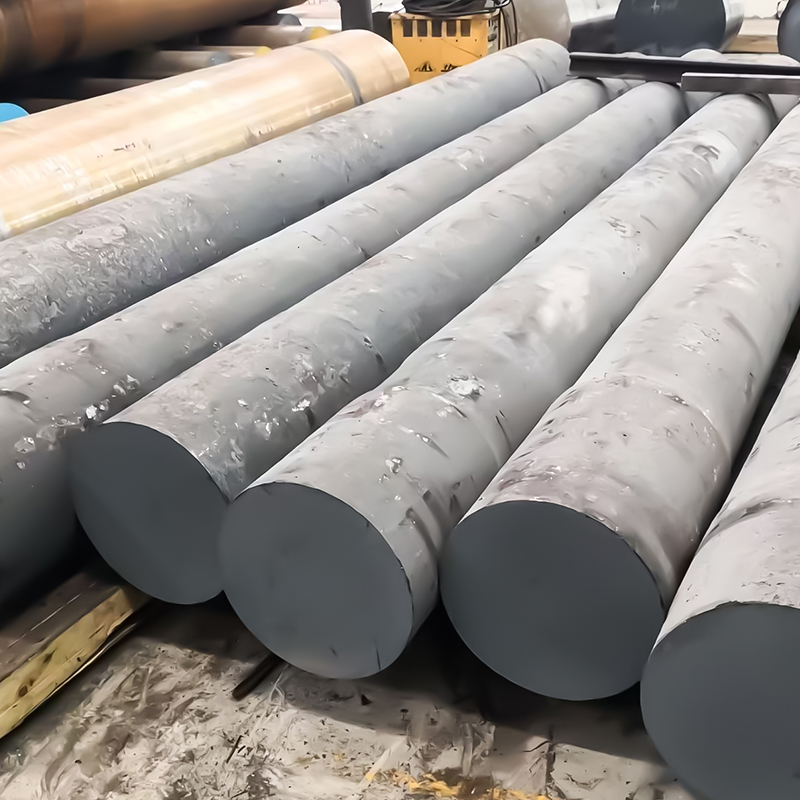
Reliability stems from internal integrity and consistency. The forging process plastically deforms the metal, closing up any voids or porosity and creating a continuous, directional grain flow that follows the part's shape. This results in homogeneous mechanical properties and superior fatigue strength. Castings, by their nature, involve metal solidifying in a mold, which can lead to internal defects like shrinkage cavities, gas porosity, and non-metallic inclusions. These defects act as stress concentrators and can initiate cracks under cyclic loading. While quality castings can be very good, the inherent soundness and predictability of a properly forged component are higher. For a critical part where failure could cause safety hazards or enormous economic loss (e.g., a turbine rotor or a connecting rod in a large engine), the guaranteed integrity of a forging makes it the default and more reliable choice.
The cost is influenced by several interrelated factors: 1) Material: The price of the specific alloy steel billet (e.g., a nickel-chromium superalloy is far more expensive than standard 4140). 2) Part Complexity & Size: Larger parts require larger, more expensive dies and bigger forging presses. Complex shapes need multi-step forging operations and intricate die design. 3) Quantity: High production volumes amortize the high initial cost of die design and manufacturing. 4) Tolerances & Finishing: Tighter "near-net-shape" tolerances increase die cost but reduce machining cost. Extensive post-forging machining, heat treatment, and non-destructive testing add significant cost but are often necessary for performance. For a custom alloy steel forged shaft produced in low volume with strict testing requirements, the unit cost will be high, justified by its application-specific performance and reliability.
Welding on heat-treated alloy steel forgings is a complex procedure that must be approached with extreme caution and is generally discouraged for high-stress, critical components. The primary issue is that the intense heat of welding can locally destroy the carefully engineered microstructure and heat treatment in the Heat-Affected Zone (HAZ), creating a region that is potentially brittle and prone to cracking. If welding is absolutely necessary (e.g., for repair), it requires a highly controlled procedure. This includes pre-heating the entire forging to a specific temperature, using a carefully selected filler metal with compatible chemistry, employing precise welding techniques, and followed by a controlled post-weld heat treatment (PWHT) to restore some properties. For non-critical applications or on forgings that have not been heat-treated to high strength, welding may be feasible. However, for components like high strength alloy steel forged parts subject to fatigue or impact, welding without proper engineering review and procedure qualification can severely compromise the part's integrity and is not recommended.

No.1317 Gangcheng Road, Daxin Town, Zhangjiagang, Jiangsu, China
WhatsApp:+86-151 5156 6388 Terry Huang
+86-151 5156 6388 Terry Huang
+86-138 1299 2607 Maggie Xia
Terry Huang -VP of Sales
[email protected]
Maggie Xia -VP of Sales
[email protected]

 Previous