
 English
 Español
 русский
News
Forged Metal Components
Alloy Steel Forgings: Process, Materials, and Applications Explained
Alloy steel forgings are the backbone of components that need to survive high stress, repeated cycling, and demanding environments — from gearbox components to heavy equipment parts. This guide walks through how alloy steel forgings are made, how they compare to cast and carbon steel alternatives, and where they're used across industry.
What Are Alloy Steel Forgings?
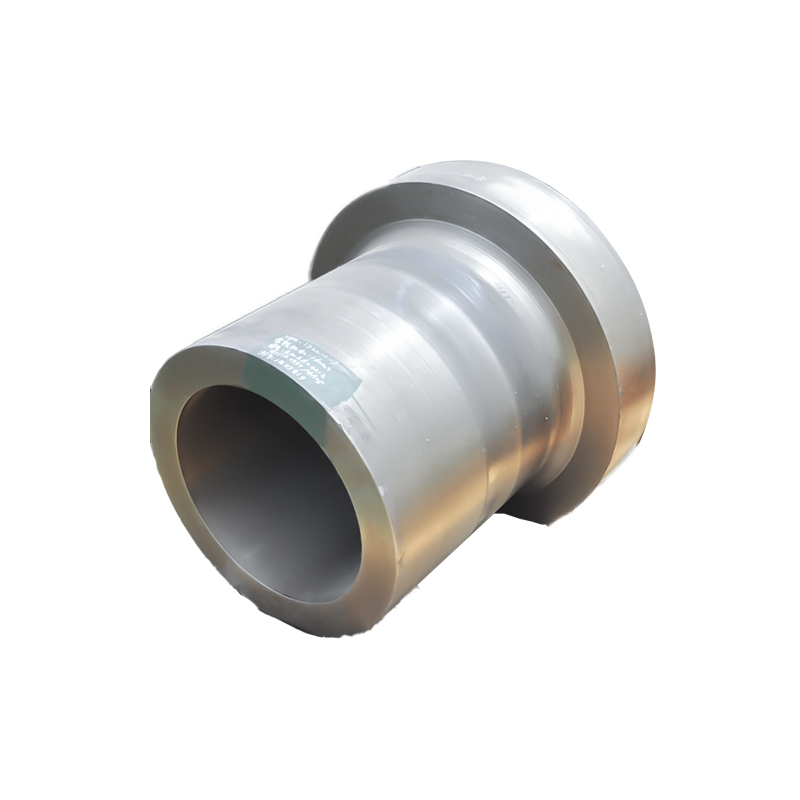
Alloy steel forgings are components shaped by applying compressive force to heated alloy steel billet, forcing the metal to take on a die's shape while its internal grain structure deforms and aligns along the flow of the material rather than being cut across it. This grain alignment is the defining advantage of forging over other manufacturing methods, giving forged parts meaningfully better strength and fatigue resistance than cast or machined-from-bar-stock equivalents of the same material.
Aligned Grain
Forging shapes grain flow along the part's geometry
High Strength
Alloy content plus forging improves fatigue resistance
Wide Range
Used across automotive, energy, and heavy machinery sectors
Alloy Steel Forging Materials
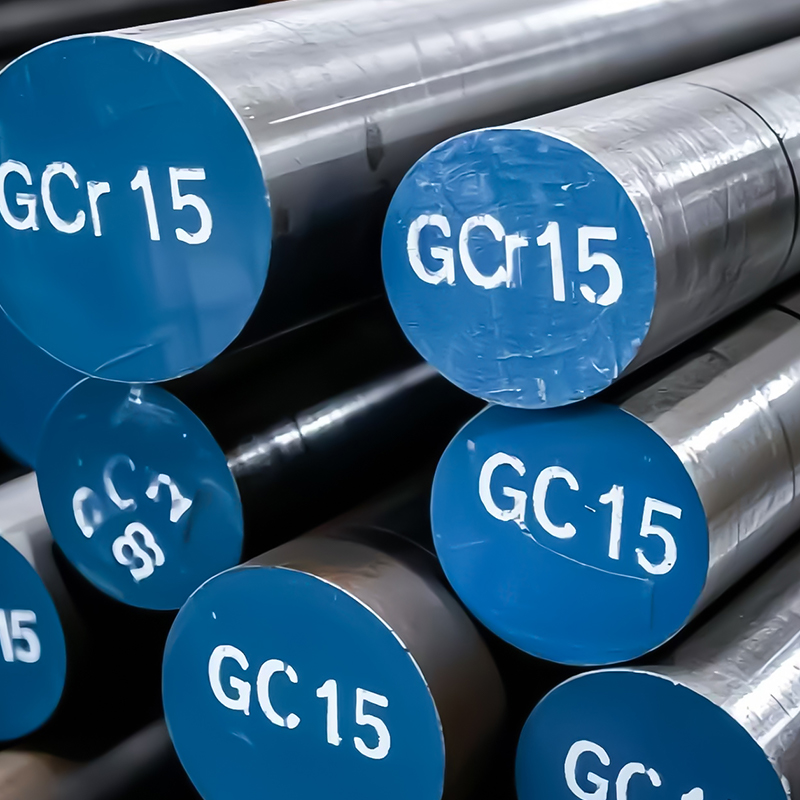
Alloy steel forging materials are carbon steels with added elements — most commonly chromium, molybdenum, nickel, manganese, or vanadium — that improve hardenability, strength, and toughness beyond what plain carbon steel can achieve. The specific alloy grade selected depends heavily on the intended application:
- Chromium-molybdenum alloys (e.g., 4130, 4140): widely used for their balance of strength, toughness, and weldability in shafts, gears, and structural forgings.
- Nickel-chromium-molybdenum alloys (e.g., 4340): offer higher strength and deeper hardenability, common in aerospace and heavy-duty automotive components.
- Manganese alloys: improve strength and wear resistance at a lower cost than nickel-bearing grades, common in general industrial forgings.
- Vanadium micro-alloyed steels: refine grain structure for improved toughness without requiring extensive post-forging heat treatment.
Grade selection is typically driven by the combination of required strength, expected operating temperature, and whether the part will need to be welded or further machined after forging, since alloying elements can affect both weldability and machinability.
How Are Alloy Steel Forgings Made?
The alloy steel forging process transforms raw billet into a near-final or finished shape through a sequence of controlled heating and deformation steps:
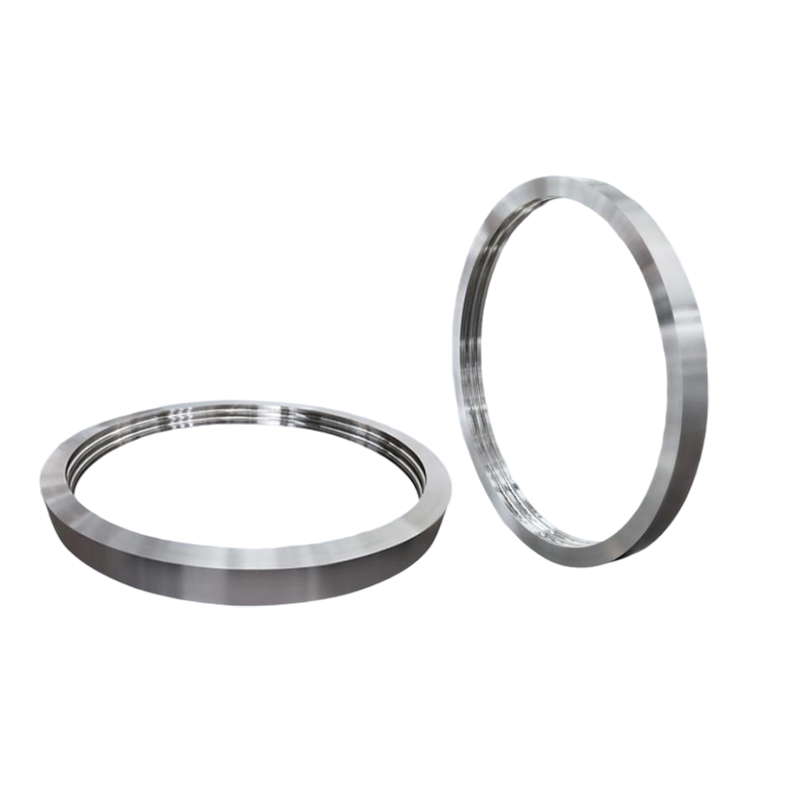
The forging method itself varies by part size and volume. Open-die forging shapes the billet between flat or simple-shaped dies and suits large, simpler parts or low-volume production. Closed-die (impression) forging uses a shaped die cavity to produce more complex geometries with tighter tolerances and is typically used for higher-volume production runs. Ring rolling, a specialized forging method, is used specifically for seamless ring-shaped components like bearing races and flanges.
Alloy Steel Forging vs. Cast Steel
| Factor | Alloy Steel Forging | Cast Steel |
|---|---|---|
| Grain structure | Aligned along part geometry, improving strength | Uniform but not directionally aligned |
| Internal defects | Fewer voids due to compressive forming | More prone to porosity and shrinkage voids |
| Fatigue resistance | Higher, suited to cyclical and high-stress loads | Lower, better suited to static or moderate loads |
| Geometry complexity | Best for simpler to moderately complex shapes | Better suited to intricate, complex geometries |
| Cost at low volume | Higher tooling cost for closed-die forging | Often more economical for complex one-off shapes |
Comparison of alloy steel forging and cast steel manufacturing methods.
The general rule of thumb is straightforward: when a component will see high stress, repeated cyclical loading, or safety-critical service, forging's superior fatigue performance justifies its higher tooling and production cost. When geometry is highly complex and load requirements are more moderate, casting often remains the more economical choice.
Alloy Steel vs. Carbon Steel Forgings
Key Distinction
Carbon steel forgings rely on carbon content alone for strength and hardness, making them a cost-effective option for parts with moderate load and wear requirements. Alloy steel forgings add elements like chromium, nickel, or molybdenum that improve hardenability, allow the part to achieve greater strength through heat treatment, and provide better performance under high stress, elevated temperature, or corrosive conditions.
In practice, the decision often comes down to how demanding the operating environment is. A structural bracket under light, steady load may perform perfectly well as a carbon steel forging. A gear or shaft transmitting high torque under repeated cyclical stress typically requires the added hardenability and toughness that alloy steel provides.
Heat Treatment of Alloy Steel Forgings
Heat treatment is what converts a forged alloy steel blank from a roughly shaped part into a component with the specific hardness, strength, and toughness the application demands. Common heat treatment steps for alloy steel forgings include:
Typical Heat Treatment Sequence
- Normalizing: refines the grain structure after forging and relieves internal stress before further processing.
- Quenching: rapid cooling from an elevated temperature to achieve maximum hardness, typically in oil or water depending on the alloy.
- Tempering: reheating the quenched part to a lower temperature to reduce brittleness while retaining most of the added strength.
- Surface hardening (optional): induction hardening or carburizing to add wear resistance at contact surfaces while preserving a tougher core.
The exact heat treatment recipe — quenching medium, temperature, and hold times — depends on the specific alloy grade and the target mechanical properties, and is usually specified alongside the material grade in engineering drawings to ensure the finished part meets required hardness and strength specifications.
Alloy Steel Forgings Applications
Automotive & Transportation
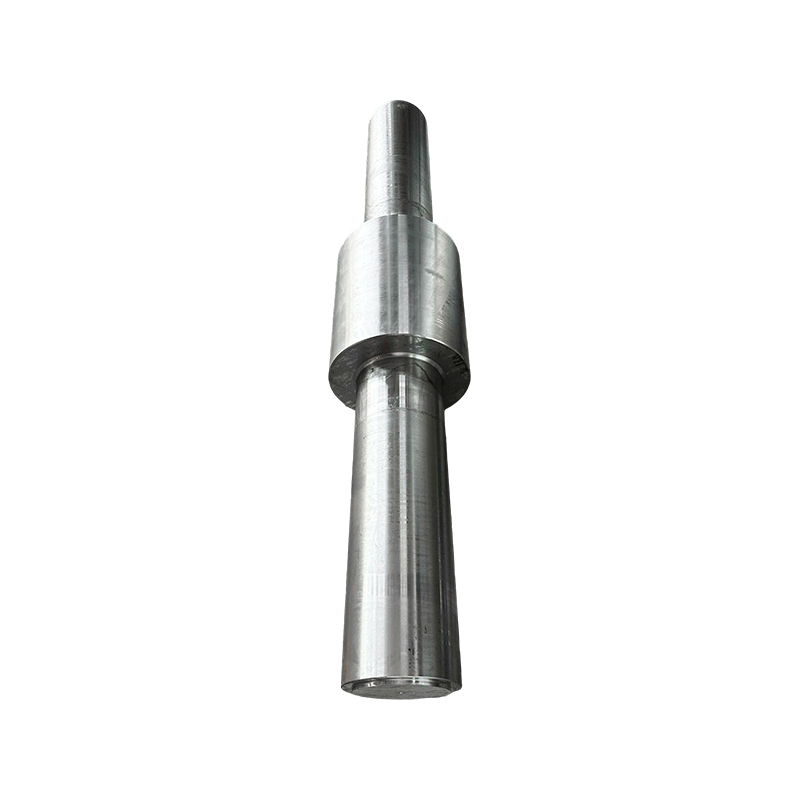
Crankshafts, connecting rods, and gears requiring high fatigue resistance under continuous cyclical load.
Oil & Gas
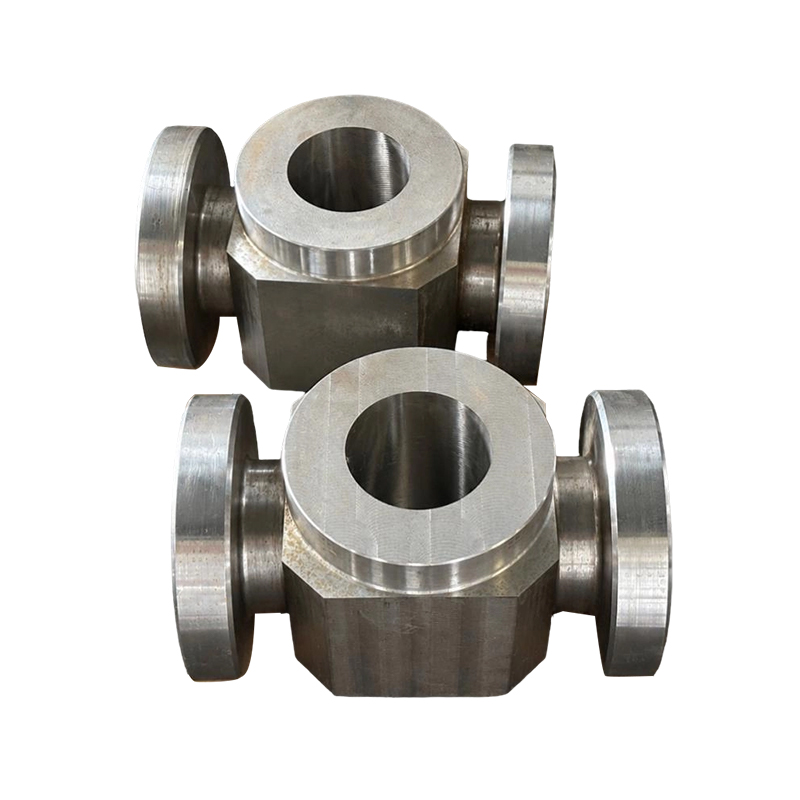
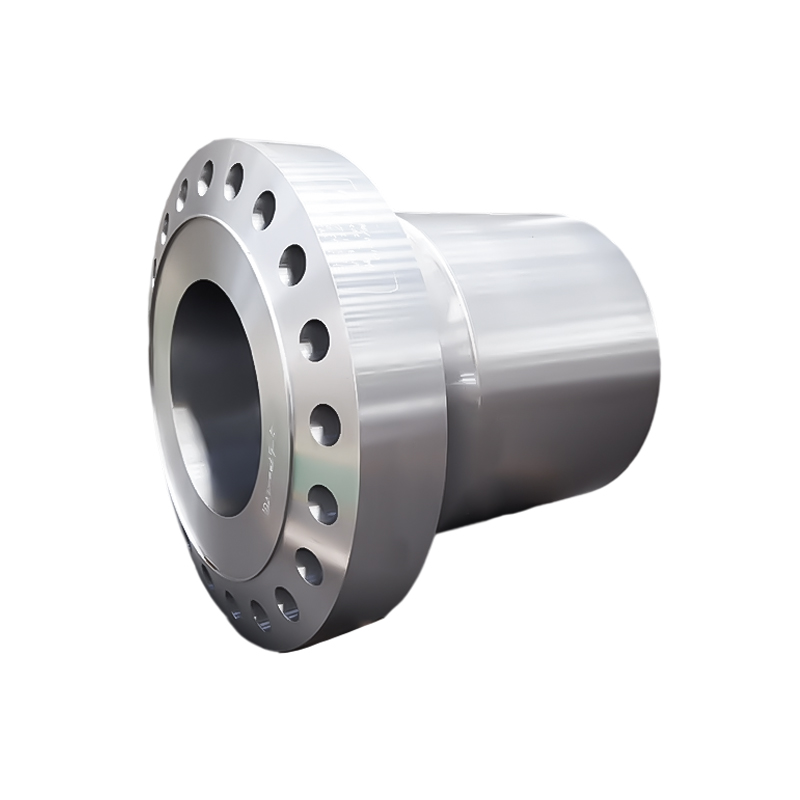
Valve bodies, flanges, and drilling components exposed to high pressure and demanding environments.
Power Generation
Turbine shafts and rotor components requiring strength retention at elevated operating temperatures.
Heavy Machinery
Gears, axles, and structural components subject to high torque and impact loading.
Alloy steel forgings applications extend well beyond these core sectors into mining equipment, agricultural machinery, and industrial gearboxes — essentially any application where a component needs to reliably withstand high stress over an extended service life without premature fatigue failure.
Forged Steel Components: Design and Quality Considerations
Beyond material and heat treatment, the design of a forged steel component significantly affects its real-world performance. Generous fillet radii at section changes reduce stress concentration points that could otherwise become fatigue crack origins. Draft angles built into the forging design allow the part to release cleanly from the die, reducing surface defects. Grain flow orientation should also be considered relative to the part's primary load direction during design, since forging strength benefits are most pronounced when grain flow aligns with the direction of applied stress.
Quality inspection for forged steel components typically includes dimensional verification against drawing tolerances, hardness testing to confirm heat treatment results, and non-destructive testing such as ultrasonic or magnetic particle inspection to detect internal or surface defects that would not be visible otherwise. For critical safety components, material certification traceable to the original billet heat is often required as part of the quality documentation.
Choosing the Right Alloy Steel Forging Supplier
What to Evaluate
- Forging method capability: confirm the supplier's open-die, closed-die, or ring rolling capacity matches your part's size and complexity.
- Material traceability: ask whether mill certificates and heat treatment records are provided with each batch.
- In-house heat treatment: in-house capability often means tighter process control than outsourced treatment.
- Testing and inspection capability: non-destructive testing options should match your part's criticality level.
- Volume flexibility: confirm the supplier can support both prototype and full production volumes as your project scales.
Working through material grade, forging method, and heat treatment requirements with a supplier early in a project — rather than after tooling has already been committed — is what prevents costly redesigns and ensures the finished forgings meet both mechanical performance and quality documentation requirements.
 Previous