
 English
 Español
 русский
News
Home / News / Industry News / Cold Forging Operations, How Steel Is Forged & Forge Welding Temperatures
Steel forging is the process of shaping steel by applying compressive force — either through hammering, pressing, or rolling — to a billet or preform. Unlike casting, which pours molten metal into a mold, forging works the steel in a solid or semi-solid state, which means the grain structure is deformed and realigned rather than reset. The result is a part with superior mechanical strength, fatigue resistance, and structural integrity compared to cast or machined equivalents of the same alloy.
The three primary forging categories are defined by the temperature at which the steel is worked:
In hot forging, scale formation on the steel surface is a consistent challenge. Oxide scale is abrasive, shortens die life, and can become embedded in the part surface if not removed before each press stroke. Shot blasting, descaling boxes, or induction heating with tight atmosphere control are standard countermeasures in production environments.
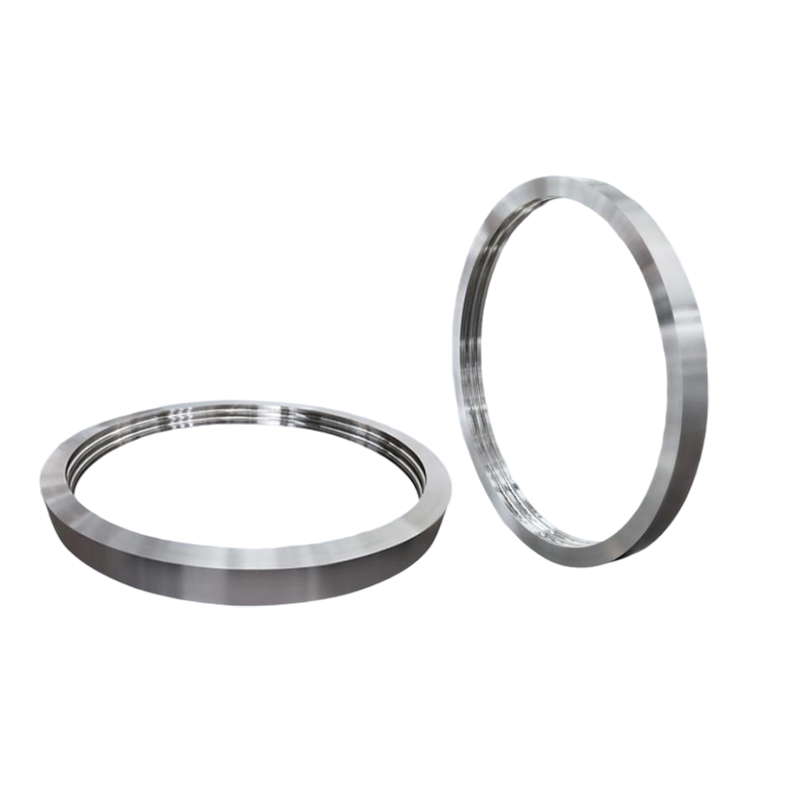
Cold forging encompasses several distinct forming operations, each suited to specific geometry and material requirements. The unifying characteristic is that deformation occurs at room temperature (or slightly above, but below the recrystallization point), relying on the steel's plastic deformation capacity rather than thermal softening.
The most widely used cold forging operations include:
A key consideration in cold forging operations is work hardening. Each deformation pass increases the steel's yield strength and reduces its remaining ductility. For multi-stage cold forging sequences, intermediate annealing — typically at 650–750°C for low-carbon steels — is required to restore ductility before further forming. Without it, cracking at die radii or in the part cross-section becomes likely.
Lubrication is equally non-negotiable. Zinc phosphate coating followed by a soap lubricant (the Bonderite/Parco process) is the industry standard for steel cold forging — it creates a conversion coating that mechanically bonds the lubricant carrier to the steel surface, surviving the extreme interface pressures that would strip conventional oils within the first die entry.
| Operation | Material Flow Direction | Typical Applications | Key Advantage |
|---|---|---|---|
| Cold Heading | Lateral (upset) | Fasteners, rivets, pins | High production rate |
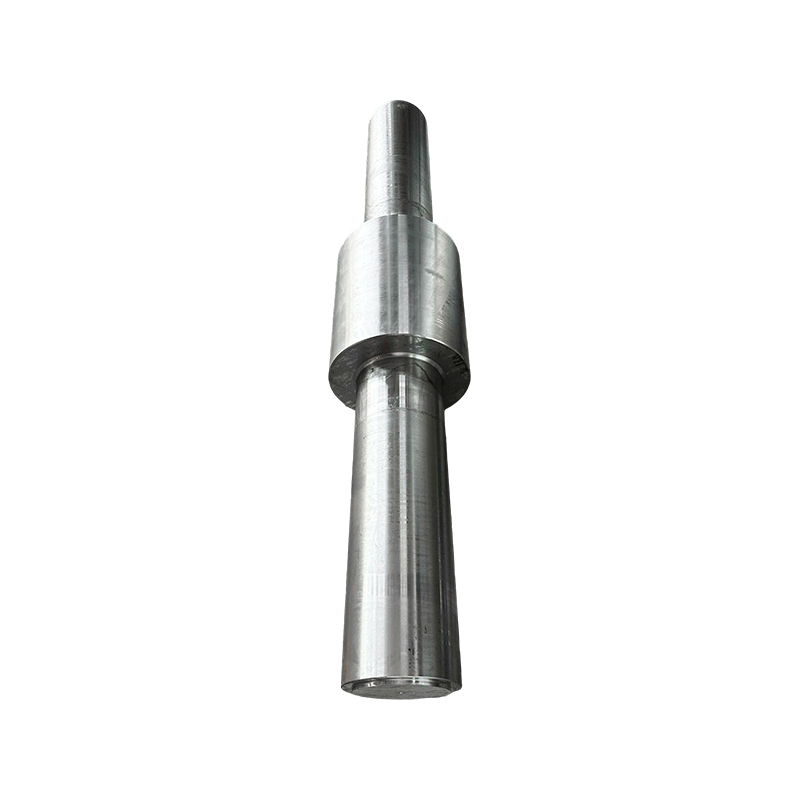
| Forward Extrusion | Same as punch | Shafts, solid rods | Length increase, grain alignment |
| Backward Extrusion | Opposite to punch | Cups, sleeves, hollows | Near-net hollow sections |
| Coining | Minimal / contained | Gears, bearing races | Tight tolerances, fine finish |
Forge welding is the oldest metal joining method — two pieces of steel are heated to near-plastic state and then hammered together until the interface bonds at the atomic level. It requires no filler metal and produces a joint with effectively the same grain structure as the parent material when done correctly. Despite being ancient in origin, it remains in active use in toolmaking, bladesmithing, and certain industrial pipe and rail applications.
The forge welding temperature for low-carbon steel typically falls between 1,260°C and 1,370°C (2,300–2,500°F) — the range where the steel surface begins to show a bright, almost white-yellow color and may exhibit a slight "sweating" or sparking at the surface. This sparking is actually an indicator that the steel is approaching its burning point, so experienced smiths use it as a ceiling, not a target.
Several variables significantly affect the required forge welding temperature:
In industrial applications — such as flash butt welding of rail sections or resistance forge welding of pipe — the process is precisely controlled with temperature sensors and automated press timing. In these settings, contact pressure at the weld interface typically ranges from 70 to 300 MPa, applied within milliseconds of reaching peak temperature to minimize heat loss and oxidation before upset begins.
One practical distinction: forge welding is not the same as hammer welding in the blacksmithing sense, although the terms are often used interchangeably. In an industrial context, forge welding may refer to solid-state pressure welding processes (including friction welding and diffusion bonding), which achieve bonding through pressure and temperature without ever reaching the plastic deformation range used in hand forging. The temperature requirements for those processes vary significantly — diffusion bonding of steel, for example, typically occurs at 900–1,100°C under sustained vacuum pressure.
No single forging method suits every part. The choice between cold, warm, hot, and forge-welded construction depends on part geometry, required mechanical properties, production volume, and dimensional tolerance requirements.
Cold forging is the most economical at high volumes for small, rotationally symmetric parts with tight tolerances. The absence of heating eliminates energy cost and scale removal, and near-net-shape forming reduces downstream machining. However, press forces are high — a #10 bolt blank may require 150–400 kN of forming force — meaning tooling investment is substantial and die wear must be carefully managed.
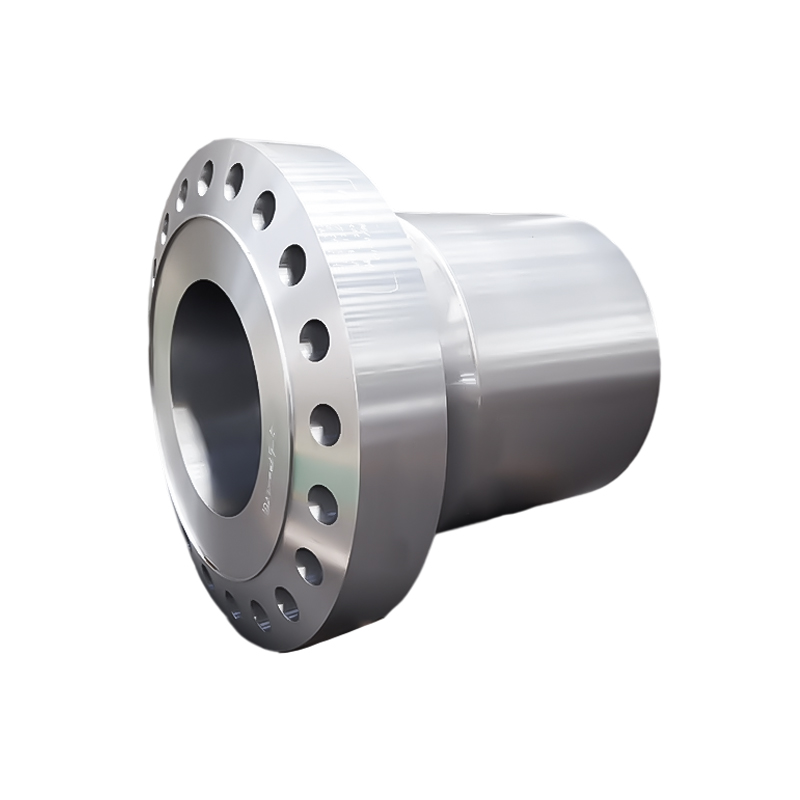
Hot forging covers a far wider range of part sizes and geometries. Large structural components — crankshafts, connecting rods, flanges, and aerospace frames — are typically hot-forged because the reduced flow stress at elevated temperature makes complex shapes achievable without fracture. The tradeoff is scale formation, tighter process control requirements, and post-forge heat treatment to achieve final mechanical properties.
Forge welding occupies a niche but critical role where joining is required in the solid state without added material. Its primary modern relevance is in pattern-welded (Damascus) steel production, rail joining, and specialized tube-to-tube connections in high-pressure piping. For general fabrication, it has largely been supplanted by fusion welding — but for applications where the heat-affected zone of arc welding is unacceptable, forge welding remains the technically superior choice.

No.1317 Gangcheng Road, Daxin Town, Zhangjiagang, Jiangsu, China
WhatsApp:+86-151 5156 6388 Terry Huang
+86-151 5156 6388 Terry Huang
+86-138 1299 2607 Maggie Xia
Terry Huang -VP of Sales
[email protected]
Maggie Xia -VP of Sales
[email protected]

 Previous