
 English
 Español
 русский
News
Home / News / Industry News / Pitch Ring Forging & Yaw Ring Forging: Process, Materials & Wind Turbine Applications
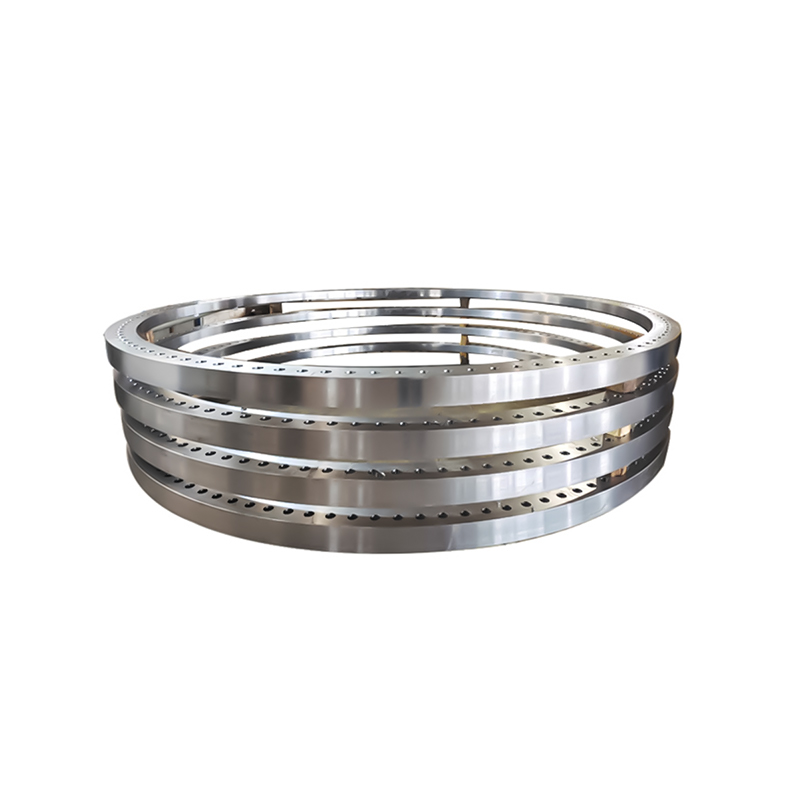
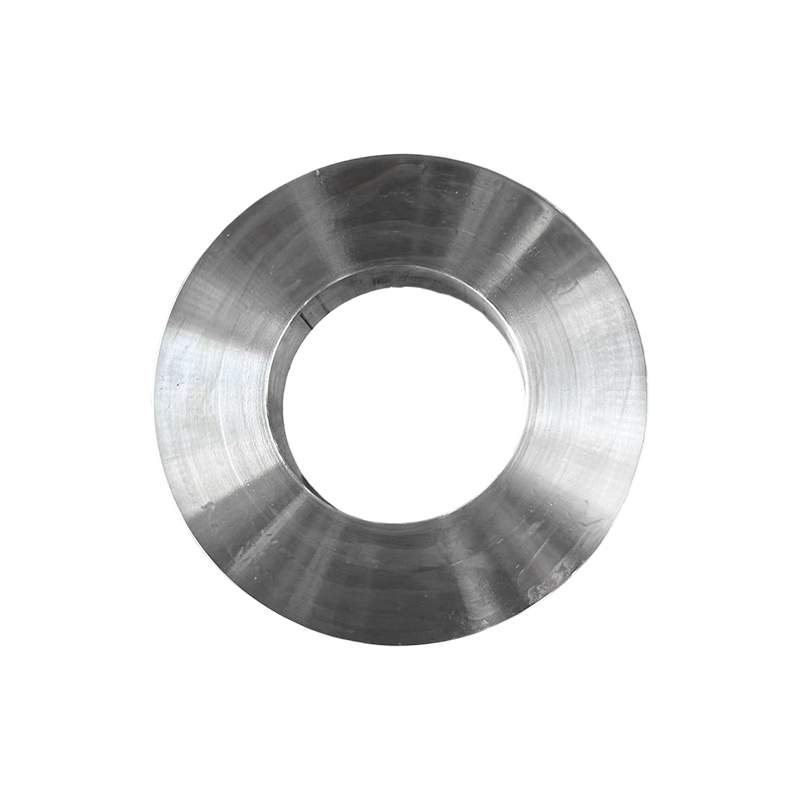
In a wind turbine, two large-diameter forged rings perform fundamentally different but equally critical functions. The pitch ring forging forms the structural core of the pitch bearing, enabling each blade to rotate around its longitudinal axis and adjust its angle relative to the incoming wind. The yaw ring forging, positioned at the base of the nacelle, allows the entire nacelle and rotor assembly to rotate horizontally and track wind direction changes.
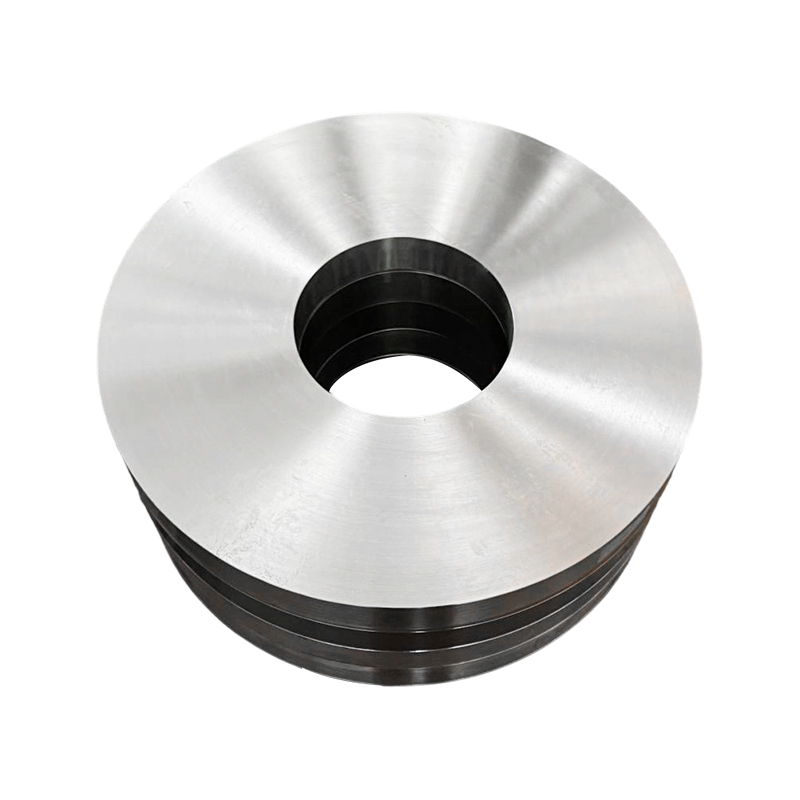
Both components are classified as large-diameter rolled ring forgings — typically ranging from 1,000 mm to over 3,000 mm in outer diameter depending on turbine class — and both must sustain tens of millions of load cycles over a 20-to-30-year operational lifespan. The consequence of premature failure in either component is a full turbine shutdown, making raw material selection and forging process control non-negotiable factors in their manufacture.
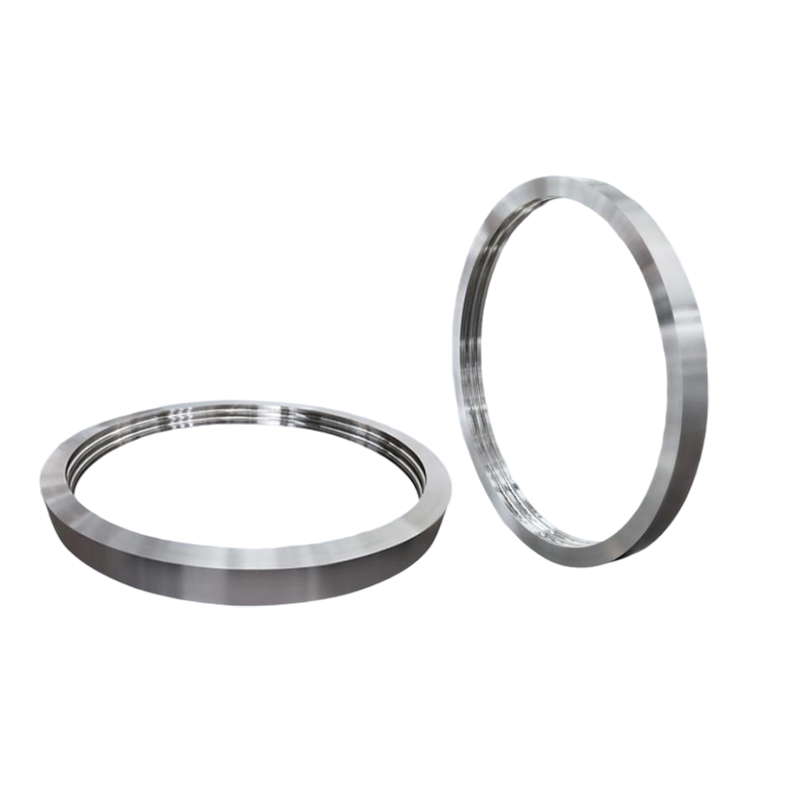
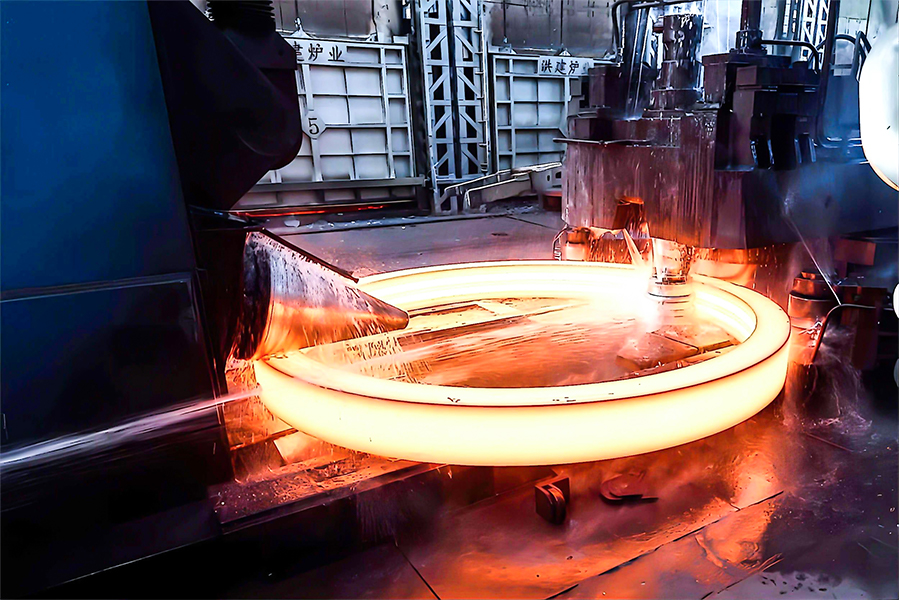
Both pitch and yaw rings are produced through the hot rolled ring forging process, which delivers superior mechanical properties compared to casting or plate fabrication. The typical production sequence is as follows:
This process produces a fully wrought, grain-refined microstructure with the fibrous flow lines oriented circumferentially — the ideal orientation for resisting the torsional and bending loads that pitch and yaw rings experience in service.
Material selection for pitch and yaw ring forgings is governed by the need to balance high strength, adequate toughness at low temperatures, and good hardenability across thick sections. The following grades are most widely specified:
| Steel Grade | Standard | Tensile Strength (MPa) | Typical Application |
|---|---|---|---|
| 42CrMo4 | EN 10083-3 | 900–1,100 | Pitch ring, yaw ring (standard class) |
| 34CrNiMo6 | EN 10083-3 | 1,000–1,200 | Large yaw ring, high-load pitch ring |
| AISI 4140 | ASTM A29 | 850–1,050 | North American market pitch/yaw rings |
| S355NL / S355ML | EN 10025-3/4 | 470–630 | Offshore/cold-climate yaw ring |
For offshore or arctic installations, sub-zero Charpy impact toughness (typically ≥27 J at −40 °C) becomes a mandatory specification. In these cases, nickel-alloyed grades such as 34CrNiMo6 or normalized fine-grain structural steels are preferred over standard chromium-molybdenum grades.
Although both components follow the same core forging route, their design requirements diverge significantly in practice:
Wind turbine pitch and yaw ring forgings are subject to some of the most stringent quality requirements in the forging industry. Procurement specifications typically reference or align with:
In practice, most tier-one OEMs supplement these public standards with their own supplier qualification audits, first-article inspection protocols, and material traceability requirements extending back to the steel melt heat. Third-party witness inspection by organizations such as Bureau Veritas, TÜV, or SGS during forging, heat treatment, and final machining is common on large offshore turbine contracts.
As wind turbine rated capacity continues to increase — with offshore models now exceeding 15 MW per unit — pitch and yaw ring forgings are being pushed to new dimensional and performance limits. Several developments are reshaping how these components are designed and manufactured:

No.1317 Gangcheng Road, Daxin Town, Zhangjiagang, Jiangsu, China
WhatsApp:+86-151 5156 6388 Terry Huang
+86-151 5156 6388 Terry Huang
+86-138 1299 2607 Maggie Xia
Terry Huang -VP of Sales
[email protected]
Maggie Xia -VP of Sales
[email protected]

 Previous