
 English
 Español
 русский
Customized Global Energy Equipment Precision Forgings
Global Energy Equipment Precision Forgings
-- Steady & Reliable Manufacturer --
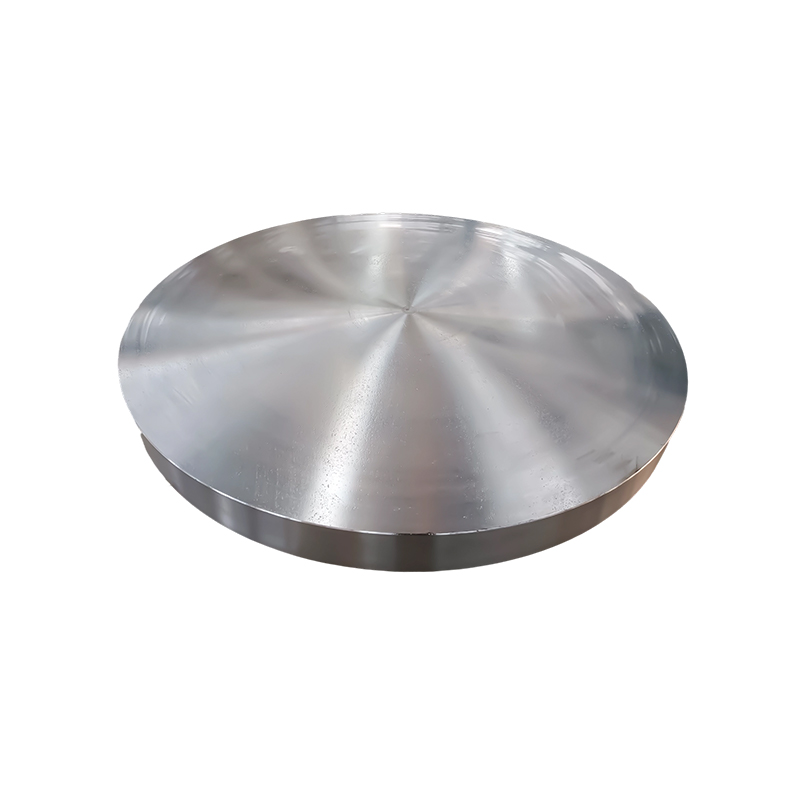
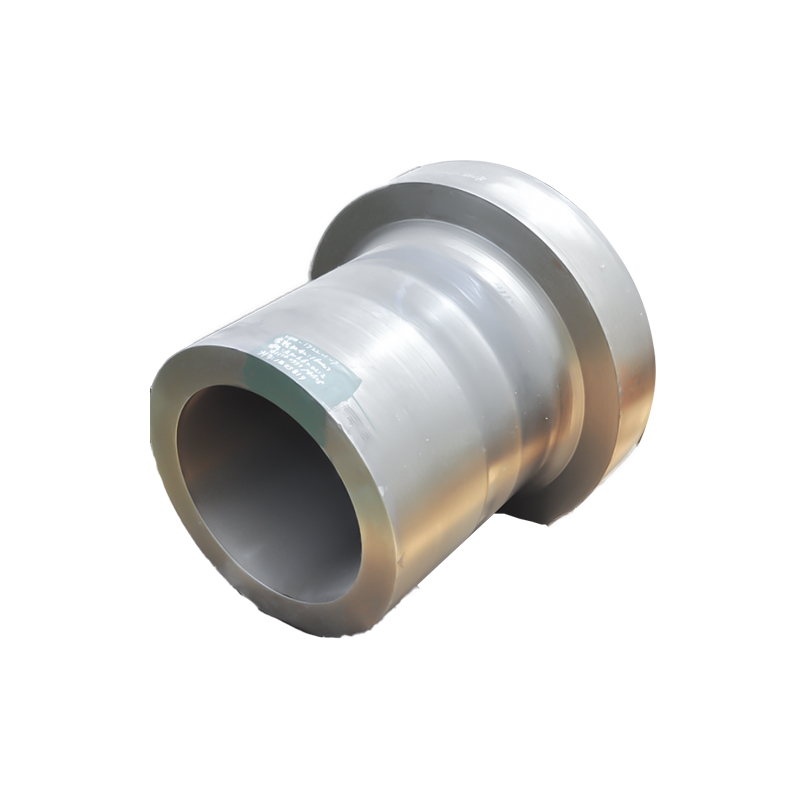
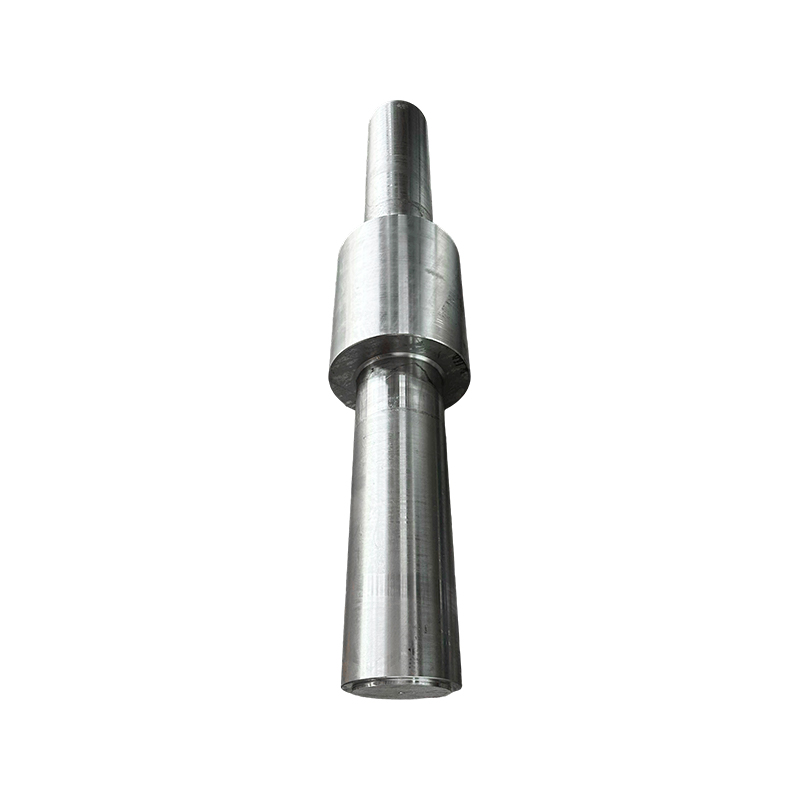
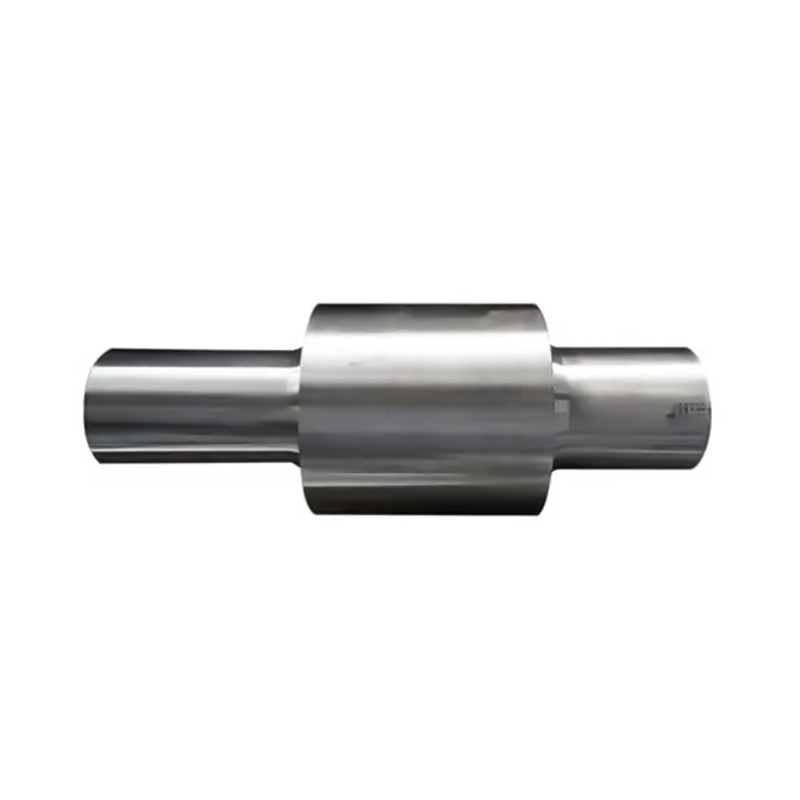
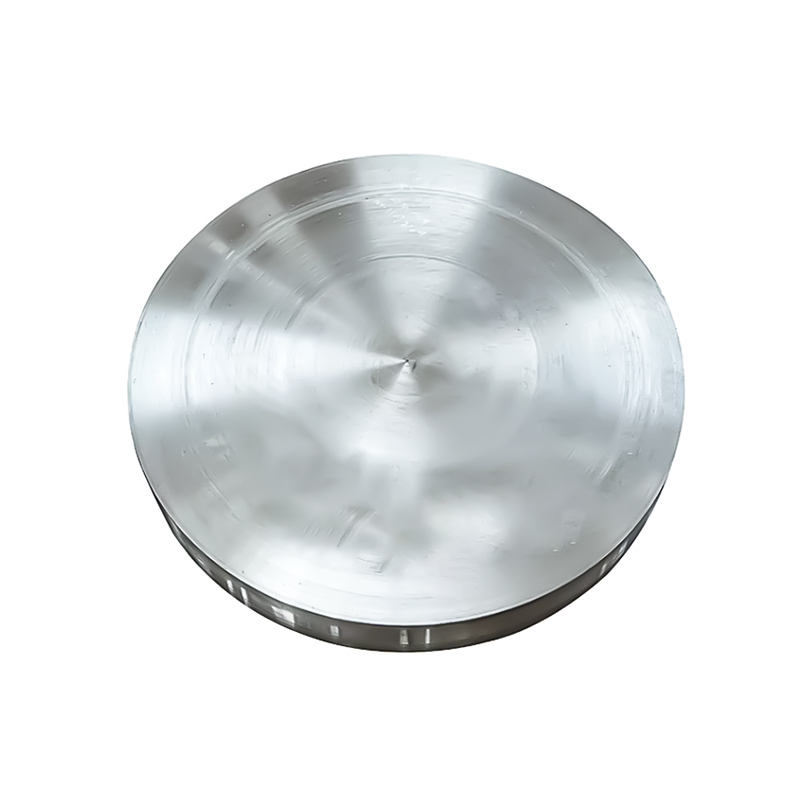
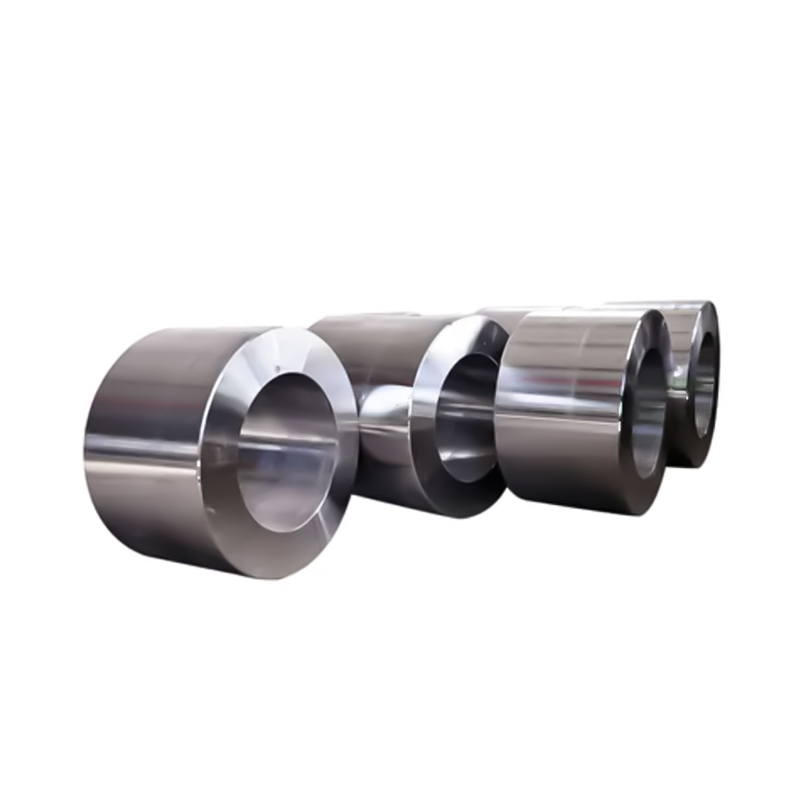
Global Energy Equipment Precision Forgings are metal components formed by applying controlled compressive force to heated material, then finished to the dimensions and tolerances required by energy systems. Compared with other forming routes, forging refines the internal grain structure and closes internal voids. This makes the parts suitable for pressure-containing, load-bearing and rotating duties in power generation, oil and gas, wind, and process industries.
Typical items include shafts, rings, flanges, discs, valve bodies, couplings and custom shaped blanks. They are supplied in carbon steel, alloy steel, stainless steel and other grades agreed against the drawing. Depending on the project, parts can be delivered as forged blanks, rough machined or finish machined, together with material certificates and inspection records.
Key Advantages of Global Energy Equipment Precision Forgings
Refined Grain Flow
Forging aligns the grain structure with the part geometry, which helps the component resist impact, fatigue and cyclic loading.
Dimensional Consistency
Controlled forging and machining stages support repeatable dimensions across batches, which simplifies assembly and reduces fitting work.
Internal Soundness
Compared with cast structures, forged material is generally denser and less prone to porosity, which supports pressure-containing service.
Wide Material Selection
Carbon, alloy and stainless grades can be matched to temperature, pressure and corrosion exposure of the intended duty.
Long Service Life Potential
Sound internal structure and controlled heat treatment help maintain performance through extended operating cycles.
Machining Ready Supply
Parts can be supplied as forged blanks, rough machined or finish machined, matching the stage your production line needs.
Typical Applications of Precision Forgings in Global Energy Equipment
Power Generation
Turbine and generator shafts, discs, rings and couplings that carry high rotational and thermal loads in thermal, hydro and gas-fired plants.
Oil and Gas
Wellhead and pipeline components such as flanges, valve bodies, connectors and hubs that must contain pressure reliably.
Wind and Renewable
Main shafts, bearing rings, gear blanks and flanges that experience variable loads and long operating periods.
Petrochemical and Process
Reactor and vessel nozzles, heat exchanger parts and high-pressure fittings used in demanding process lines.
Heavy Machinery and Drives
Gear blanks, drive shafts, sleeves and custom shaped parts used in energy-related mechanical drive systems.
Manufacturing Process of Global Energy Equipment Precision Forgings
- Material selection and incoming checks: the steel grade is confirmed against the drawing, and chemical composition is verified before processing.
- Heating: billets or ingots are heated in a controlled manner to the temperature range suited to the grade.
- Forging: open die forging, closed die forging or ring rolling is selected according to part shape, size and quantity.
- Heat treatment: normalizing, quenching, tempering or other cycles are applied to reach the specified mechanical condition.
- Rough machining: excess material is removed to prepare the part for testing and finishing.
- Finish machining: final dimensions, surface finish and tolerances are produced as required by the drawing.
- Final inspection and documentation: test results, dimensional records and certificates are compiled for delivery.
Quality Control and Testing for Global Energy Equipment Precision Forgings
Energy equipment operates under pressure, heat and cyclic load, so inspection scope is normally defined with the buyer before production. Common checks include the following.
Chemical Analysis Tensile and Impact Testing Hardness Testing Ultrasonic Testing Magnetic Particle Testing Liquid Penetrant Testing Dimensional Inspection Visual Inspection
- Traceability: heat numbers and batch records link each part to its material source and heat treatment cycle.
- Documentation: material certificates, heat treatment charts and test reports can be provided on request.
- Third-party review: witnessed inspection can be arranged where the project specification requires it.
Comparison of Precision Forgings, Castings and Welded Fabrications for Energy Equipment
| Aspect | Precision Forgings | Castings | Welded Fabrications |
|---|---|---|---|
| Internal structure | Dense, refined grain flow | Cast structure, porosity possible | Depends on weld quality |
| Fatigue and impact suitability | Well suited | Moderate | Depends on joint design |
| Shape complexity | Moderate, finished by machining | High | High |
| Pressure-containing use | Commonly specified | Used with added inspection | Requires weld inspection |
| Typical parts | Shafts, rings, flanges, discs | Housings, complex bodies | Large frames, structures |
The comparison is qualitative and for general guidance. The final choice depends on service conditions, design codes and project requirements.
Handling, Installation and Maintenance of Precision Forgings in Energy Systems
Handling and Storage
- Use suitable lifting points and slings to avoid surface damage.
- Store in a dry, ventilated area away from moisture.
- Apply protective coating on machined surfaces for long storage.
Installation
- Check dimensions and surface condition against the drawing before fitting.
- Clean mating surfaces and follow the design documentation for fit and tightening.
- Verify alignment of rotating components before commissioning.
In-Service Maintenance
- Inspect periodically for wear, corrosion and surface cracks.
- Record operating hours and load history for critical components.
- Replace parts that show indications beyond the allowable limit.
Sourcing Checklist for Global Energy Equipment Precision Forgings
Tip for accurate quotation: provide the drawing, material grade, heat treatment condition, testing requirements, quantity and delivery terms in the first inquiry. Complete information shortens review time and reduces revisions.
- Drawing and tolerances: confirm the delivery stage, whether forged blank, rough machined or finish machined.
- Material and standards: state the grade and the applicable standards or customer specification.
- Testing scope: list mechanical tests, non-destructive testing and any witness inspection requirements.
- Documentation: specify certificates, test reports and traceability records needed for the project file.
- Packaging and shipping: request protective packing suited to sea or land transport and the storage period expected.
- Lead time: confirm schedule, since it depends on material availability, part size and heat treatment and testing steps.
Frequently Asked Questions About Global Energy Equipment Precision Forgings
Q1: What are precision forgings in energy equipment?
They are metal parts shaped by compressive force and finished to controlled dimensions for use in power, oil and gas, wind and process systems. They are chosen where strength, reliability and pressure integrity matter.
Q2: How do forgings differ from castings?
Forging deforms solid metal and refines its grain structure, while casting pours molten metal into a mold. Forgings are generally denser and better suited to load-bearing and pressure-containing parts. Castings are often preferred for more complex shapes.
Q3: Which materials are commonly used?
Carbon steel, low alloy steel, stainless steel and heat-resistant alloy grades are common. The grade is selected by operating temperature, pressure, corrosion environment and the governing specification.
Q4: What types of components can be supplied?
Common items are shafts, rings, discs, flanges, valve bodies, sleeves, couplings and custom shaped blanks. Other forms can be reviewed against the drawing.
Q5: What information is needed for a quotation?
Please provide the drawing, material grade, heat treatment condition, testing requirements, quantity, delivery stage and destination. Applicable standards or customer specifications should also be included.
Q6: What inspections are typically applied?
Typical checks include chemical analysis, mechanical testing, hardness testing, ultrasonic testing, surface crack detection and dimensional inspection. The final scope is agreed with the buyer before production.
Q7: Can parts be supplied rough machined or finish machined?
Yes. Parts can be delivered as forged blanks, rough machined or finish machined, depending on the drawing and the stage your production process requires.
Q8: How is traceability maintained?
Heat numbers and batch identification are carried through forging, heat treatment and machining. Records can be compiled into a documentation package for the project file.
Q9: How should forgings be stored and transported?
Keep them in a dry, ventilated place, use protective coating on machined surfaces and secure them with suitable supports during transport. This limits corrosion and mechanical damage.
Q10: What affects lead time?
Lead time depends on material availability, part size and weight, forging method, heat treatment cycles, machining volume and the testing scope. Early confirmation of these items helps planning.
Maiterio Group
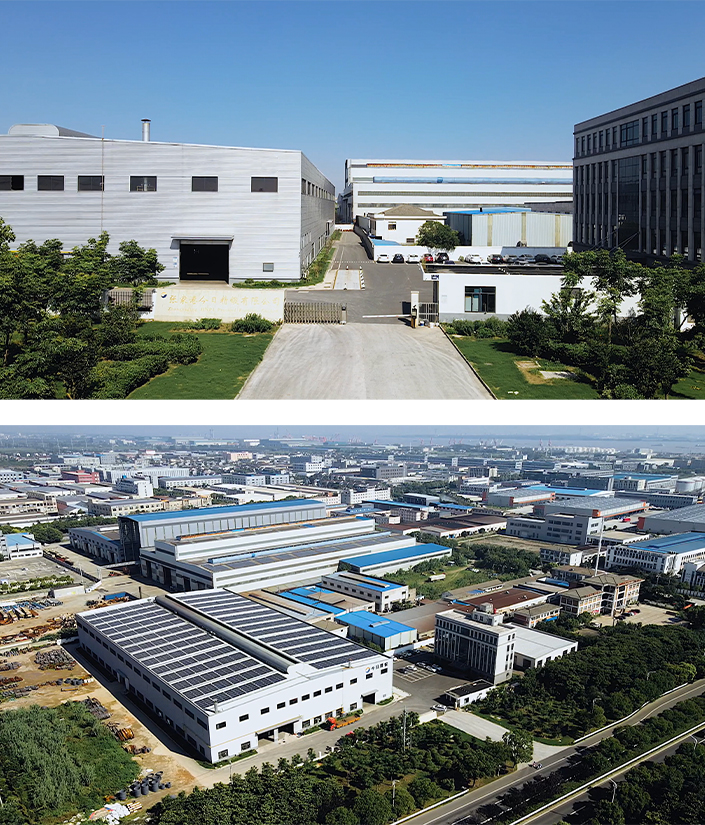
Founded in 2019, Maiterio Group specializes in seamless rolled rings, forged shafts, forged cylinders, and precision-machining components for high-performance applications. With ISO 9001/14001/45001 standards, we cater our quality control and production process controls to the highest global standards. Our terminal customers include global giants such as GE Vernova, Vestas, Caterpillar, Siemens energy and Komatsu. Occupying over 50,000 square meters, we have 3 ring forging lines, 2 open die forging lines, 2 machining workshops with over 70 CNC machines. Our whole founding teams are all industry leaders with over 30 years of experience, positioning us among the most trusted China Global Energy Equipment Precision Forgings Manufacturers and a reliable Wholesale Global Energy Equipment Precision Forgings OEM Factory for global industrial buyers. In 2024, we developed our steel trading and forging wholeline solution offering as our second and third business area. As the largest customer of Yong Gang ( top 3 alloy steel mill in China), we have the most competitive steel purchase prices and quality control guaranteed by our internal consumption. As the most competitive forging factory, we designed our own forging lines which can have smaller forging allowances and higher production pace, we know best how to design a perfect forging production line as we have been the user for 30 years.
Latest Updates