
 English
 Español
 русский
News
Home / News / Industry News / Isothermal Forging vs Conventional Forging for Titanium Alloys: Preventing Crack Formation
Titanium alloys deliver exceptional strength-to-weight performance, but their forging behavior is far from forgiving. Crack formation during hot deformation remains one of the most common causes of rejected aerospace, energy, and marine components. This article compares isothermal forging with conventional forging for titanium alloys and explains how the choice of process, temperature control, and strain rate determines whether cracks appear.
In conventional forging, the die is preheated to 200-400°C below the billet temperature. When the hot titanium billet contacts the colder die, its surface cools rapidly, raising the local flow stress and limiting the deformation that can occur before cracking. Deformation speeds are relatively high, which further increases the risk of adiabatic heating and shear band formation.
Isothermal forging maintains the die at essentially the same temperature as the workpiece for the duration of the operation. The billet is deformed very slowly, often at strain rates below 0.1 per second, allowing the material to flow into the die shape with low and uniform flow stress. This near-net-shape approach reduces post-forge machining and produces a more uniform microstructure.
| Parameter | Conventional Forging | Isothermal Forging |
|---|---|---|
| Die temperature | 200-400°C below billet | Same as billet temperature |
| Strain rate | 0.1 to 10 per second | 0.0001 to 0.1 per second |
| Deformation uniformity | Lower, surface chilling | High, near homogeneous |
| Flow stress | High | Significantly reduced |
| Precision | Blocker or semi-finish | Near-net shape |
| Tooling and energy cost | Lower | Higher |
| Crack risk for titanium | Higher if uncontrolled | Lower |
Both routes have a place in production. The choice depends on the alloy, the component geometry, and the acceptable level of residual machining and scrap.
Titanium alloys combine low thermal conductivity, high flow stress, and a narrow hot-working temperature window. When the billet touches a colder die, the outer layer cools and contracts against the still-hot core, creating tensile stress that can open surface cracks. At high strain rates, the interior may heat locally more than the surrounding material, forming adiabatic shear bands that later become fracture paths.
These factors apply to both alpha+beta alloys like Ti-6Al-4V and harder-to-form intermetallic alloys such as TiAl, where the crack problem is even more pronounced.
Because the die and billet are at the same temperature, isothermal forging eliminates the surface chilling that dominates conventional forging. The low strain rate gives the material time to flow into die cavities rather than being forced by high ram speeds. This reduces local strain gradients and prevents the dead zones that often become crack-initiation sites. The result is a more uniform alpha+beta microstructure and better fatigue performance.
By eliminating deformation dead zones, isothermal forging alleviates the microstructural inhomogeneity that would otherwise provide sites for crack formation.
Conventional forging, in contrast, produces a chilled surface layer with high flow stress. The interior is hotter and softer, so the applied force concentrates in the softer core while the surface cannot follow. This imbalance creates tensile stress at ribs, fillets, and protruding features, where cracks are most frequently observed. If the conventional route is used for titanium, the process must compensate with generous radii, multiple reheats, and carefully limited strain per pass.
Whether a shop chooses isothermal or conventional forging, crack prevention depends on controlling the parameters that determine local stress and strain distribution. The following factors are critical.
Each parameter interacts with the others. A preheated die is less effective if the strain rate is too high, and a perfect temperature window cannot overcome poor lubrication.
The selection is a cost-versus-risk trade-off.
Many manufacturers use a hybrid strategy: isothermal forging for the final shape and a conventional breakdown pass for the initial billet reduction. This balances cost and crack risk, especially for large components. An open-die forging setup gives the process engineer the freedom to adjust reductions and reheating steps without being locked into a closed die.
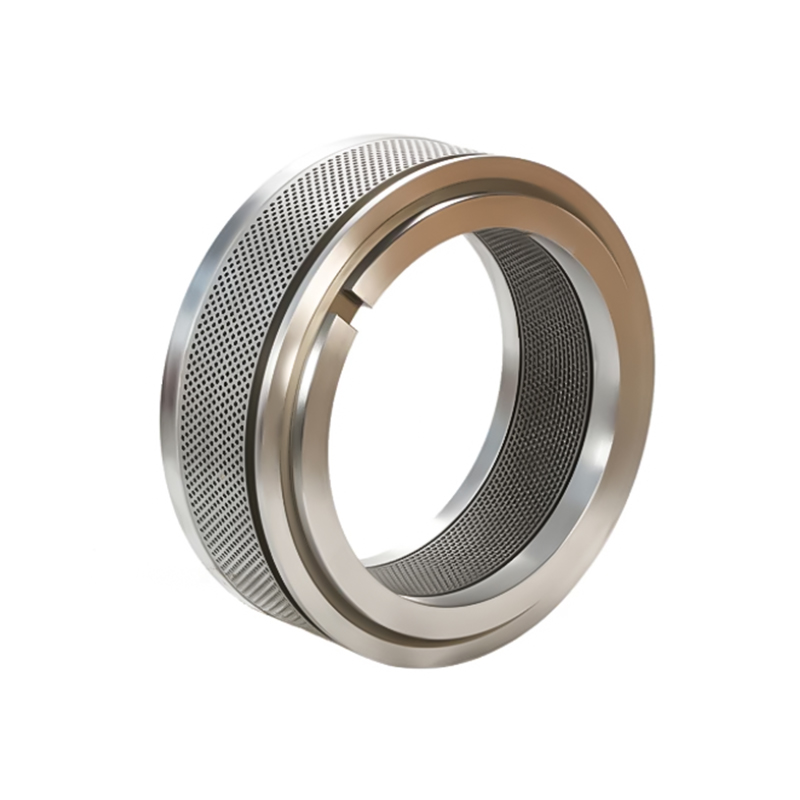
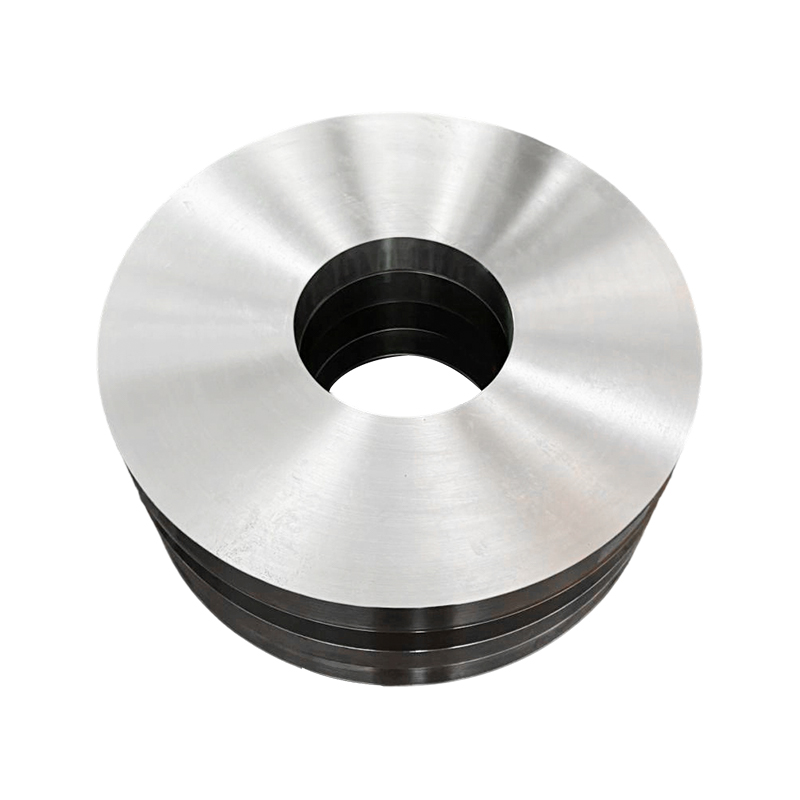
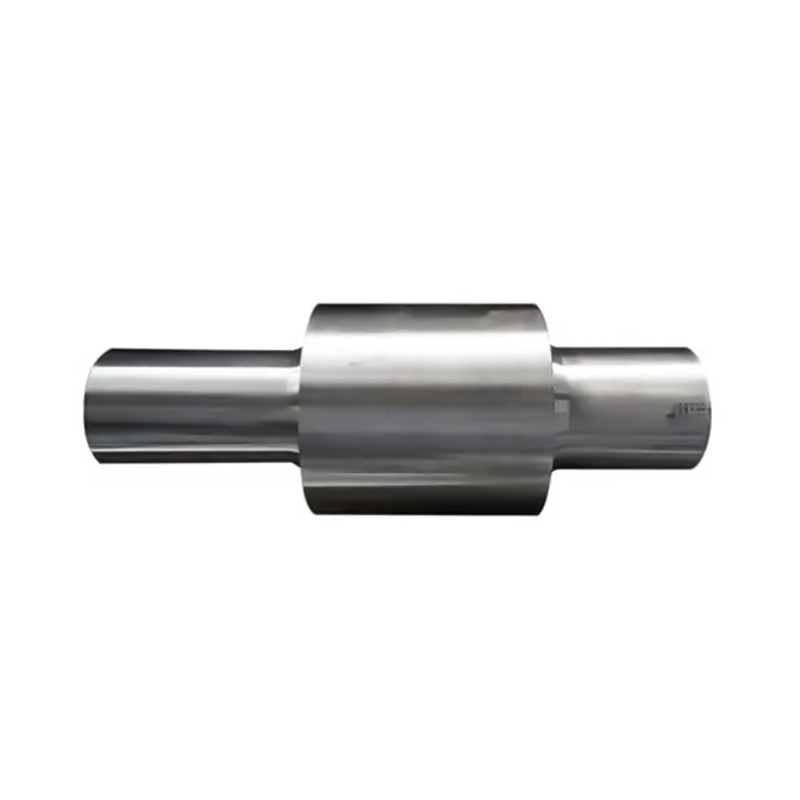 Open-Die Forging Parts for Energy, Construction, and Mining MachineryThis manufacturer specializes in open-die and ring forgings, with metallurgical engineers controlling temperature, strain, preform, and heat treatment to keep parts within a crack-free process window.View Product →
Process design and shop-floor discipline are what separate a crack-free part from a scrapped one. Maiterio Intelligent Equipment is an experienced manufacturer of open-die forgings, ring forgings, and special-material forgings for energy, construction, and mining machinery. Its metallurgical engineers map the temperature and strain fields of each part, select the correct preform and die design, and set the heating, deformation, and heat-treatment cycle to stay inside the crack-free window.
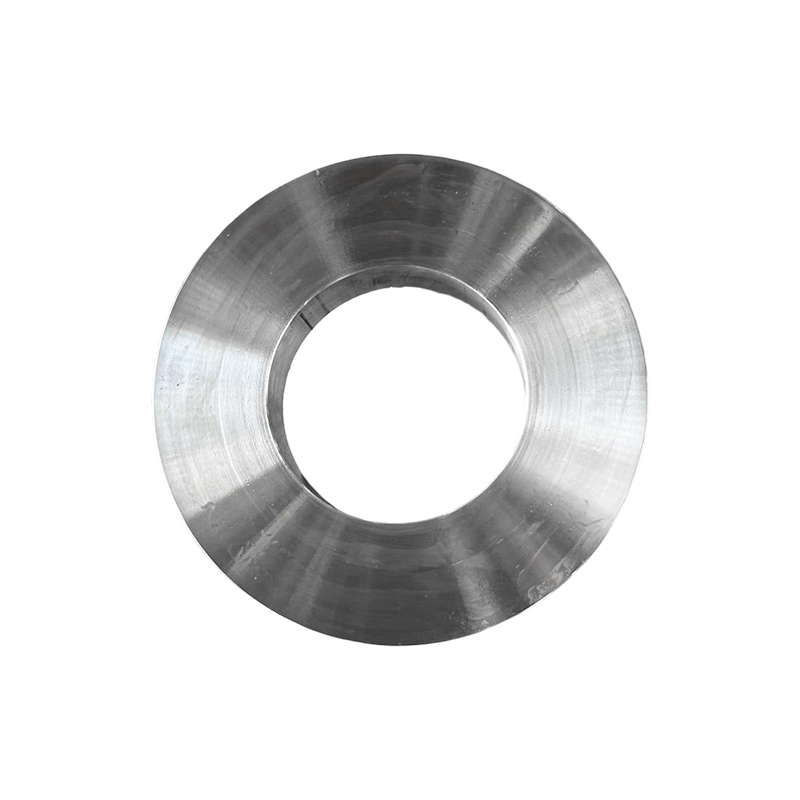
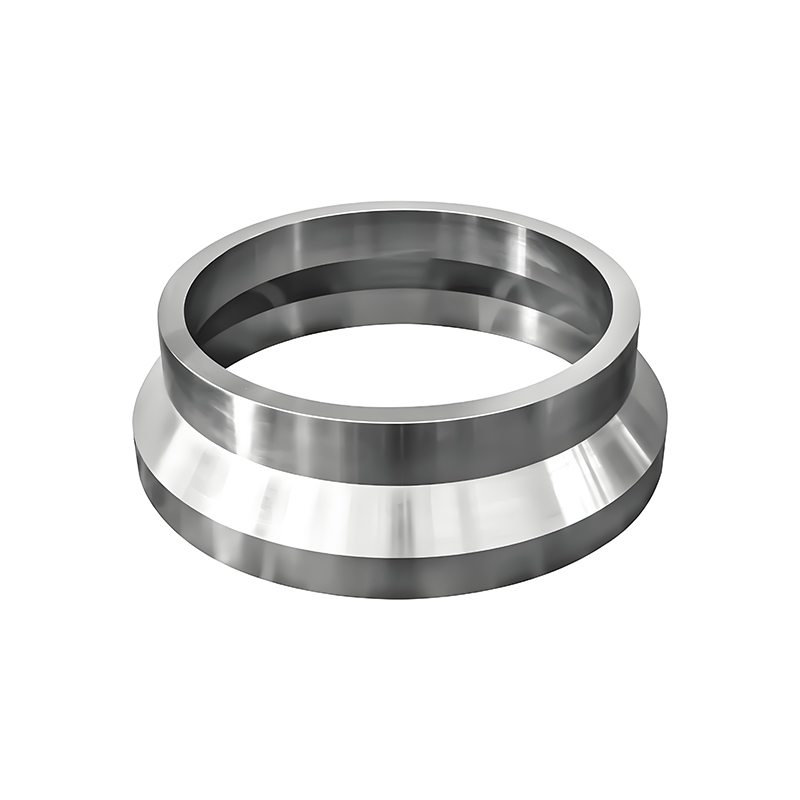 Special-Material Forgings for Titanium and High-Alloy ComponentsThis program addresses alloy-specific challenges such as beta-transus control, die heating, and oxidation protection, aiming for fully recrystallized microstructures without crack indications in titanium and other special materials.View Product →
For titanium components, the special-material forging program covers alloy-specific challenges such as beta-transus control, die heating, and oxidation protection. The goal is to deliver a forged part with a fully recrystallized microstructure and no crack indications. Real-world examples, such as this TC4 titanium alloy forged flange production case, demonstrate how careful selection of temperature and reduction ratio prevents microcracks in an industrial setting.
Not always. Isothermal forging offers superior flow uniformity and crack resistance, but it has higher tooling and energy costs. For robust geometries and large batches, a well-controlled conventional process is often more economical.
Steep temperature gradients during die contact create a chilled surface layer that cannot deform as fast as the hotter core. This leads to tensile stress and crack initiation. High strain rates and deformation dead zones worsen the problem.
Yes, if the die is preheated well, the billet transfer time is short, the strain per pass is limited, and lubricants are correctly applied. Many conventional Ti-6Al-4V forgings are produced successfully with disciplined process control.
Crack formation in titanium forgings is not random. It is the predictable result of temperature gradients, strain concentration, and unsuitable deformation rates. Isothermal forging provides the most reliable route to near-net-shape crack-free parts, while conventional forging can still succeed when the component geometry is forgiving and the process window is tightly managed. By understanding the differences and working with a supplier that controls die temperature, strain rate, and microstructure, manufacturers can avoid expensive scrap and deliver titanium components that perform as intended.

No.1317 Gangcheng Road, Daxin Town, Zhangjiagang, Jiangsu, China
WhatsApp:+86-151 5156 6388 Terry Huang
+86-151 5156 6388 Terry Huang
+86-138 1299 2607 Maggie Xia
Terry Huang -VP of Sales
[email protected]
Maggie Xia -VP of Sales
[email protected]

 Previous