
 English
 Español
 русский
News
Home / News / Industry News / The Complete Guide to Stainless Steel Forgings: Process, Benefits, and Applications
The manufacturing world relies on robust, reliable, and high-performance components. Among the various metalworking techniques, forging stands out for creating parts with unparalleled strength and structural integrity. Stainless steel forgings are particularly critical in demanding sectors where corrosion resistance, high strength, and reliability are non-negotiable. This guide delves deep into the world of stainless steel forgings, exploring their processes, advantages, and how they form the backbone of modern industry.
Forging is a manufacturing process where metal is shaped using localized compressive forces, typically delivered by a hammer or die. When applied to stainless steel—an alloy known for its chromium content and corrosion resistance—this process refines the metal's grain structure, aligning it with the shape of the part. This results in components with superior mechanical properties compared to those made by casting or machining from bar stock.
The process is essential for creating parts that must withstand extreme stress, pressure, or environmental conditions. From the heart of a wind turbine to the landing gear of an aircraft, stainless steel forgings provide the necessary durability.
Why specify a forged component over alternatives? The benefits are rooted in material science and performance.
Two main forging methods are employed for stainless steel, each suited for different part geometries and production scales.
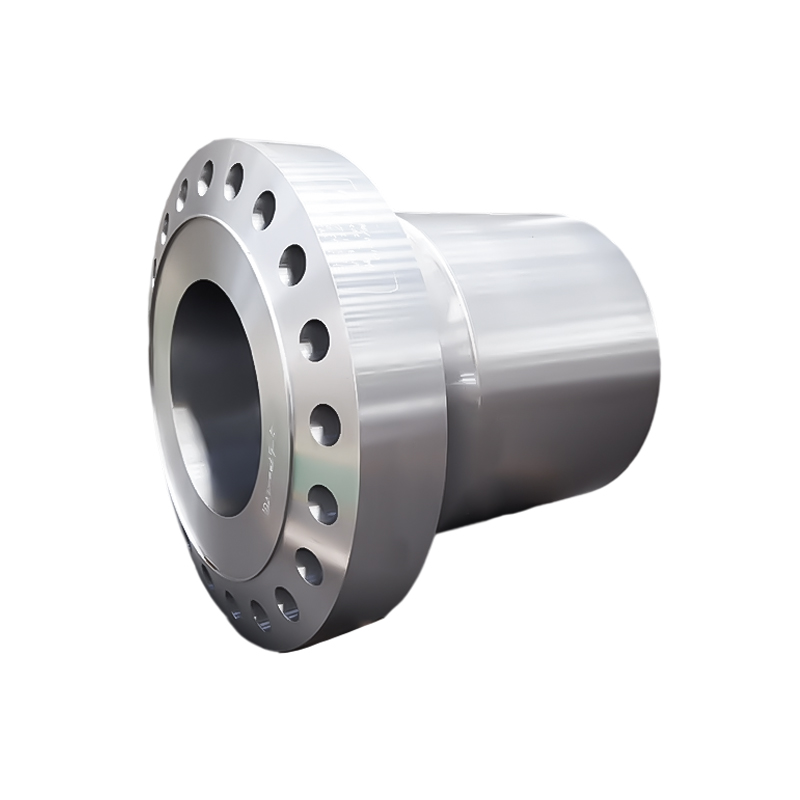
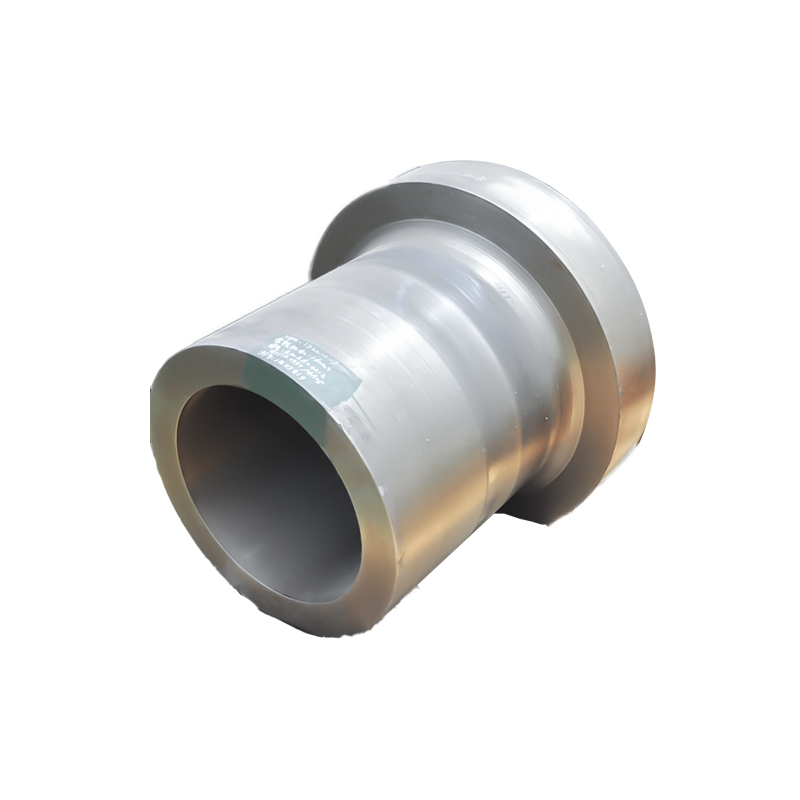
Also known as free forging, this process uses flat or simple-shaped dies. The workpiece is mechanically manipulated between dies, making it ideal for large, simple, or custom-shaped components like forged shafts and forged cylinders.
The metal is pressed between two dies that contain a precut impression of the desired part shape. This is used for high-volume production of complex, precise components.
The choice between open-die and closed-die forging depends on several factors. Below is a detailed comparison to guide the selection process.
| Parameter | Open-Die Forging | Closed-Die Forging |
|---|---|---|
| Tooling Cost | Relatively low (simple dies) | High (complex, custom dies) |
| Production Volume | Low to medium (prototypes, small batches) | High (mass production) |
| Part Complexity | Low to moderate (shafts, rings, blocks) | High (complex, intricate shapes) |
| Material Utilization | Lower (more machining often required) | Higher (near-net-shape production) |
| Dimensional Tolerance | Wider tolerances | Tighter tolerances |
| Lead Time for Tooling | Short | Long |
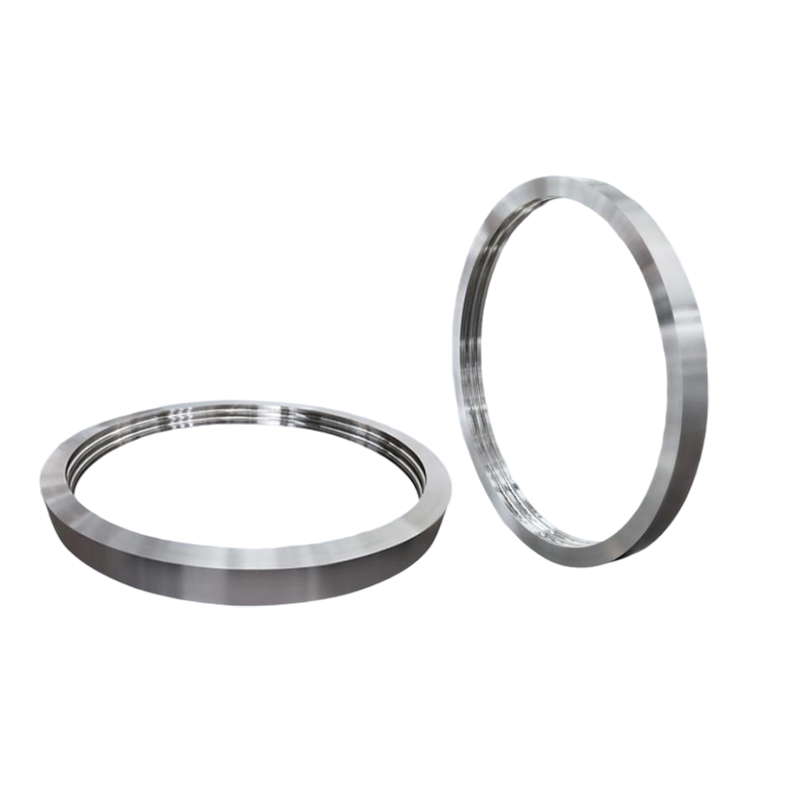
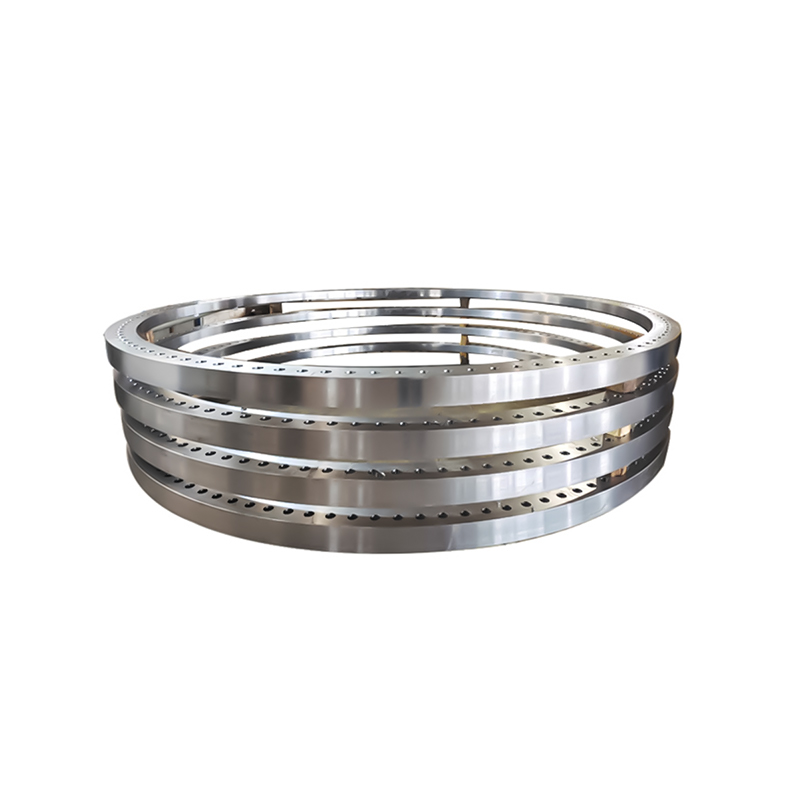
A critical subset of forging is the production of seamless rolled rings. This process involves piercing a forged stainless steel billet and then rolling it under pressure to enlarge its diameter, refine its grain structure, and achieve the required cross-section.
Quality is not accidental. Reputable forgers adhere to stringent international standards and implement rigorous process controls.
The unique properties of forged stainless steel make it indispensable across heavy industry.
The forging industry continues to evolve, driven by digitalization and a demand for total solutions.
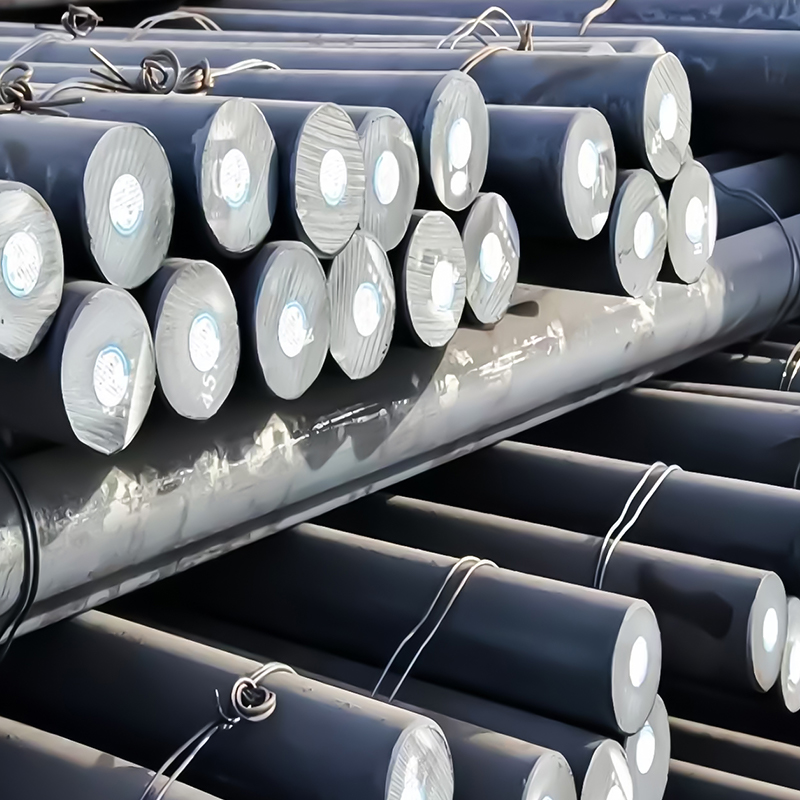
Stainless steel forgings represent the pinnacle of strength, durability, and performance for critical metal components. Understanding the processes—from creating open die forged blocks for machining blanks to manufacturing complex precision machined forgings for hydraulic cylinders—is essential for engineers and specifiers. By partnering with a certified, vertically integrated manufacturer that controls the process from raw material to finished part, industries can ensure they receive components that meet the highest global standards and stand up to the most demanding applications.
The most common grades include austenitic types like 304/304L and 316/316L for general corrosion resistance, martensitic types like 410 for high strength, and duplex grades like 2205 for superior strength and chloride resistance. The choice depends on the application's mechanical and environmental requirements.
Forging refines the metal's grain structure and aligns it with the part's shape, enhancing strength, ductility, and fatigue resistance. It also eliminates the porosity and internal voids common in castings, resulting in greater structural integrity and reliability [2].
Lead times vary significantly based on part complexity, tooling requirements, and quantity. Simple open-die forgings may take 4-8 weeks, while complex closed-die forgings requiring custom die design and fabrication can take 12-20 weeks or more. An integrated provider can often streamline this timeline.
Near-net-shape forging produces a part very close to its final dimensions. This dramatically reduces material waste (scrap) and minimizes the machining time and cost required to finish the component, offering both economic and environmental benefits.
Yes, they can. However, it is crucial to consider the specific stainless grade and its post-forging condition. Machining parameters may need adjustment for work-hardened surfaces. Welding requires procedures that maintain corrosion resistance, often involving post-weld heat treatment for certain grades.
[1] Altan, T., & Tekkaya, A. E. (2012). *Forging Processes: Recent Developments*. In CIRP Encyclopedia of Production Engineering. Springer. (Reference related to advancements in ring rolling and forging line efficiency).
[2] Davis, J. R. (Ed.). (1994). *ASM Specialty Handbook: Stainless Steels*. ASM International. (Reference comparing the microstructures and properties of forged vs. cast stainless steel).

No.1317 Gangcheng Road, Daxin Town, Zhangjiagang, Jiangsu, China
WhatsApp:+86-151 5156 6388 Terry Huang
+86-151 5156 6388 Terry Huang
+86-138 1299 2607 Maggie Xia
Terry Huang -VP of Sales
[email protected]
Maggie Xia -VP of Sales
[email protected]

 Previous