
 English
 Español
 русский
News
Home / News / Industry News / The Engineering Excellence of Stainless Steel Bar Forgings: A Technical Guide
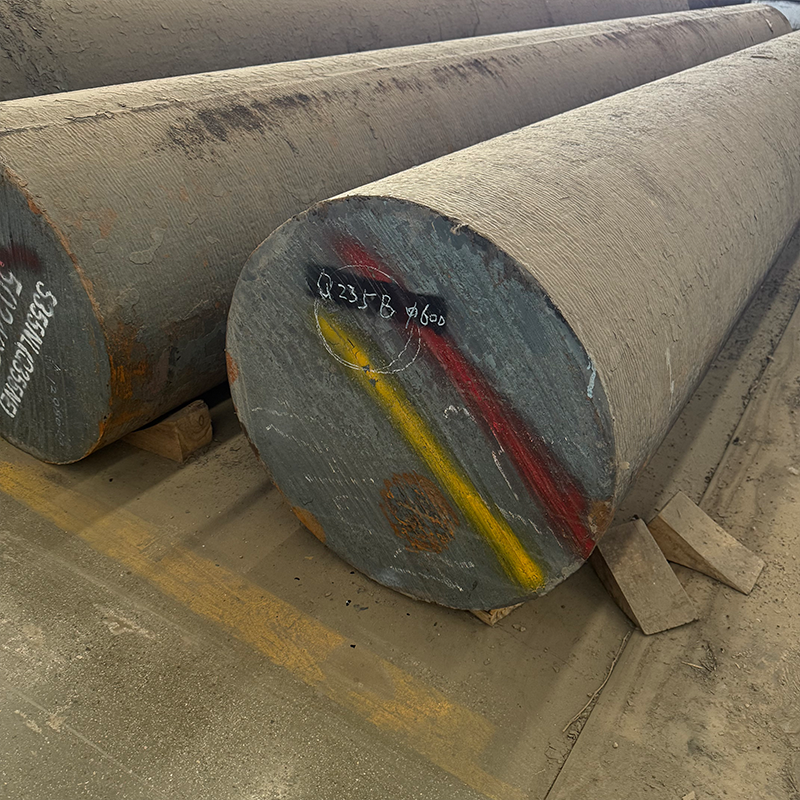
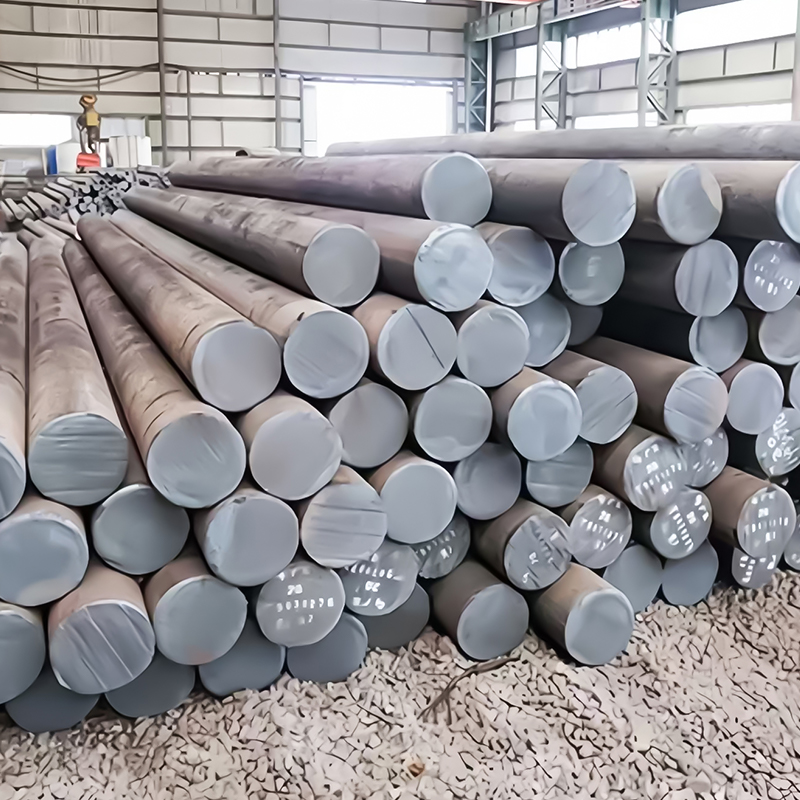
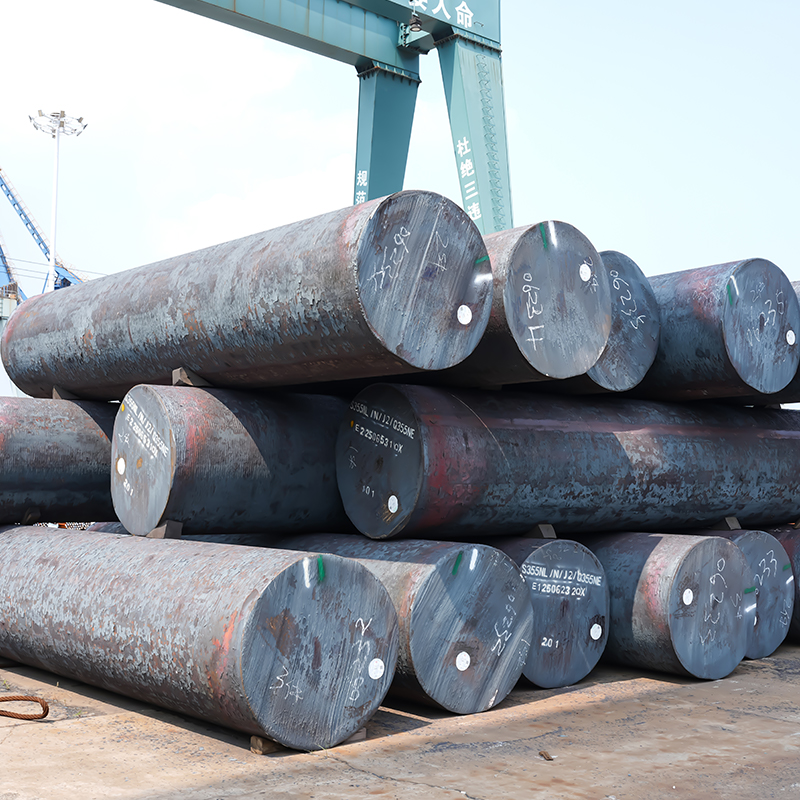
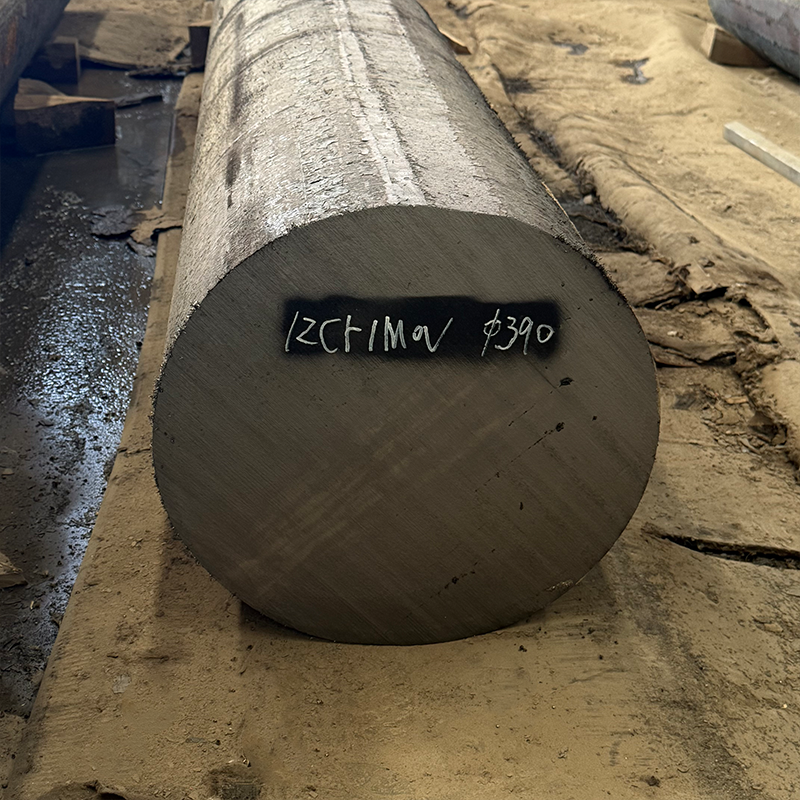
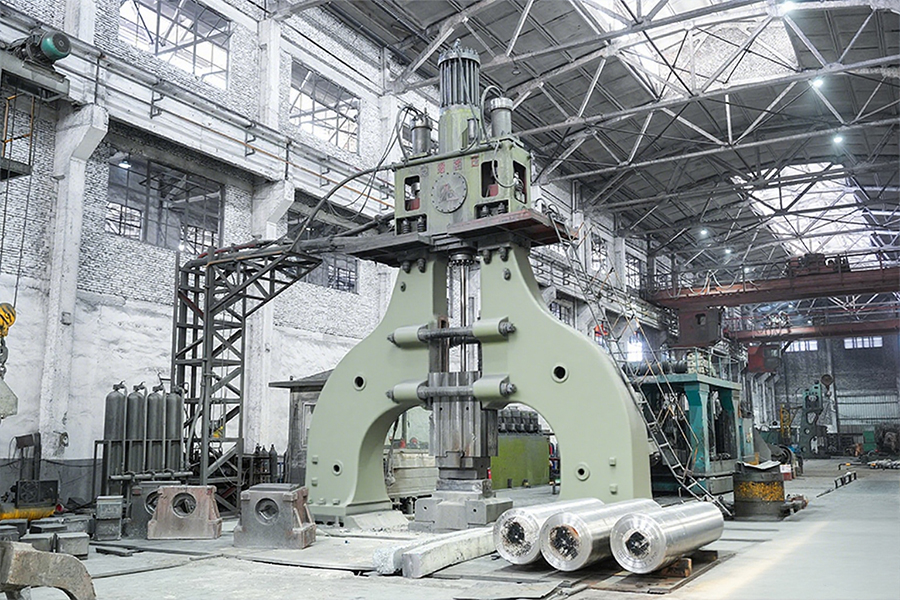
In high-stress industrial applications, the structural integrity of metallic components is non-negotiable. Stainless Steel Bar Forgings represent the pinnacle of metallurgical engineering, offering superior strength and durability compared to cast or purely machined alternatives. By subjecting stainless steel to localized compressive forces, the internal grain structure is realigned to follow the geometry of the part, resulting in enhanced mechanical properties. This article delves into the technical specifications, metallurgical transitions, and the benefits of stainless steel bar forgings for critical infrastructure.
The primary advantage of a stainless steel bar forgings process is the refinement of the crystalline structure. Unlike a standard rolled bar, where the grain runs unidirectionally, or a casting where the grain is random and porous, forging creates a continuous grain flow. This realignment significantly improves the forged steel bar's mechanical properties, particularly in terms of impact resistance and fatigue strength. For engineers, this means that a stainless steel bar forgings component can withstand higher cyclic loads without crack initiation, making it the preferred choice for aerospace and maritime propulsion systems.
While machining cuts through the natural grain of the steel, forging contours it to the part's shape, ensuring maximum strength at high-stress points.
| Feature | Machined Bar Stock | Stainless Steel Bar Forgings |
| Grain Flow | Broken/Transverse | Continuous/Contoured |
| Structural Density | Consistent with the mill run | Higher (Eliminates internal voids) |
| Fatigue Resistance | Lower (Stress risers at cut grains) | Superior (Grain flow supports load) |
When analyzing forged stainless steel vs cold rolled bar, the thermal-mechanical processing involved in forging provides a distinct edge. Forging often occurs at temperatures above the recrystallization point, which helps in eliminating chemical segregation and dendritic structures. This results in a more homogeneous material. Furthermore, the stainless steel bar forgings process allows for better response to subsequent heat treatments, ensuring that hardness and tensile strength are uniform throughout the cross-section of the bar. This is particularly critical when dealing with corrosion-resistant forged stainless steel grades like 316L or 410, where uniformity directly impacts chemical stability.
Forged bars typically exhibit higher ductility and toughness at the same hardness levels compared to cold-rolled counterparts.
| Metric | Cold Rolled Bar | Stainless Steel Bar Forgings |
| Ductility (Elongation) | Moderate | Excellent |
| Toughness (Charpy V-Notch) | Standard | Significantly Higher |
| Internal Porosity | Possible micro-voids | Zero (Mechanically sealed) |
Many procurement specialists question why use stainless steel forgings for oil and gas applications, given the higher initial cost. The answer lies in the reduction of material waste and the extension of service life. Forging can produce "near-net shapes," which minimizes the amount of material that needs to be removed during final machining. More importantly, the increased reliability of stainless steel bar forgings reduces the risk of catastrophic failure in the field, which is invaluable in offshore or high-pressure environments. When considering the cost-effectiveness of stainless steel bar forgings, one must look at the "total life cycle cost" rather than just the per-pound purchase price.
To ensure high-quality stainless steel bar forgings, manufacturers must adhere to rigorous international standards such as ASTM A182 or ASME SA182. These standards dictate the stainless steel bar forging temperature range—typically between 1000°C and 1250°C—to prevent carbide precipitation and maintain corrosion resistance. Ultrasonic testing (UT) and dye penetrant inspection (DPI) are standard procedures used to verify the internal soundness of the forged bar, ensuring it is free from laps, folds, or inclusions.
Whether for stainless steel bar forgings for aerospace or heavy industrial pumps, the forging process provides a level of safety and performance that other manufacturing methods simply cannot match. By optimizing the grain flow, increasing density, and ensuring uniform mechanical properties, forged bars offer a reliable solution for the world's most demanding engineering challenges.
The most common grades include 304/304L and 316/316L for general corrosion-resistant forged stainless steel, as well as 17-4 PH and 410 for applications requiring high strength and hardness.
If the temperature is too low, the steel may crack during forging due to reduced ductility. If it is too high, excessive grain growth can occur, which negatively impacts the mechanical properties and toughness of the finished bar.
Aerospace components are subject to extreme vibration and pressure changes. Forging ensures the absence of internal defects and provides the highest possible fatigue resistance, which is critical for flight safety.
Yes. One of the advantages of forging is the ability to produce custom lengths and diameters that exceed standard mill-run rolled bar dimensions, tailored to specific project blueprints.
Forging itself does not change the chemical composition, but by ensuring a more homogeneous and dense structure, it can help prevent localized "pitting" that might occur in cast materials with surface porosity.

No.1317 Gangcheng Road, Daxin Town, Zhangjiagang, Jiangsu, China
WhatsApp:+86-151 5156 6388 Terry Huang
+86-151 5156 6388 Terry Huang
+86-138 1299 2607 Maggie Xia
Terry Huang -VP of Sales
[email protected]
Maggie Xia -VP of Sales
[email protected]

 Previous