
 English
 Español
 русский
News
Home / News / Industry News / Maximize Aluminum Forging Properties with T6 Solution Treating & Artificial Aging
Aluminum forgings often leave the press with the correct geometry but only part of their final strength. The properties that engineers specify for safety-critical components are unlocked later, during a carefully controlled T6 solution treating and artificial aging cycle. For buyers and designers working in wind power, construction machinery, mining equipment, and energy systems, mastering this heat-treatment path means fewer rejected parts and longer service life.
At Maiterio Intelligent Equipment, aluminum forgings are produced with the same discipline as steel forgings: controlled heating, controlled deformation, and a documented thermal cycle that ensures repeatable mechanical performance.
T6 is a temper designation for aluminum alloys that have been solution heat treated, rapidly quenched, and then artificially aged. The sequence produces a fine distribution of strengthening precipitates inside the aluminum grain structure.
The exact time-temperature profile depends on alloy, section thickness, and the mechanical target. A well-designed T6 cycle balances strength, ductility, and resistance to stress corrosion cracking.
Artificial aging is where aluminum forgings gain their structural personality. In the freshly quenched condition, the material is relatively soft and easy to straighten; once aged, yield strength and hardness climb dramatically. T6 also improves dimensional stability by relieving residual stresses introduced during forging.
| Alloy | Temper | Ultimate Tensile (MPa) | Yield Strength (MPa) | Elongation (%) |
|---|---|---|---|---|
| 6061 | T6 | 310 | 276 | 12-17 |
| 2A12 | T6 | 425 | 345 | 10-12 |
| 7075 | T6 | 510 | 435 | 8-11 |
These values should be treated as approximate starting points. Actual properties of a forging depend on alloy cleanliness, forging reduction, grain flow orientation, quench rate, and aging response.
“T6 does not simply make aluminum harder. It creates a stable microstructure that can withstand repeated load cycles without unexpected weakening.”
Not every aluminum alloy is designed for T6. Non-heat-treatable grades such as 5083 and 5A06 rely on magnesium in solid solution and work hardening for strength. For components that demand precipitation hardening, choose alloys with controlled additions of copper, magnesium, silicon, or zinc.
2xxx family for fatigue-resistant structural parts; 6xxx family for weldable moderate-strength components; 7xxx family for maximum strength.
For a cost-effective combination of formability and strength, 6061-T6 is a frequent first choice. Maiterio can supply 6061 aluminum forgings in a range of block, ring, and custom shapes.
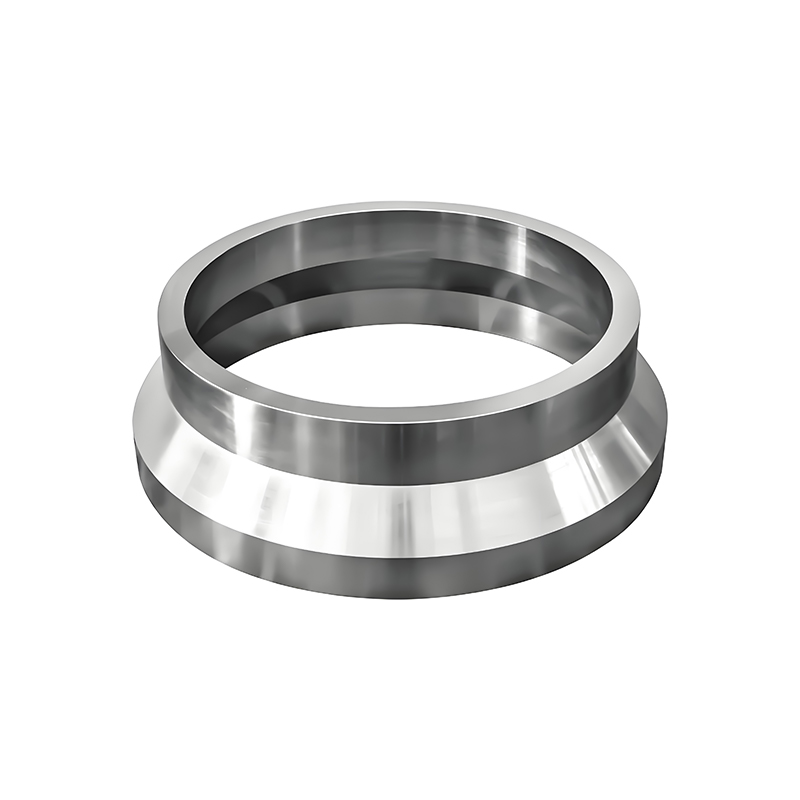 6061-T6 Aluminum Forgings for Balanced Strength and FormabilityThis heat-treatable aluminum alloy combines good plasticity, corrosion resistance, and cost-effective strength. The surrounding text highlights it as a common first choice for applications needing a practical balance of properties.View Product →
Where the application needs more load capacity without moving to steel, 2A12 and 7075 provide step-change improvements in strength. Your supplier should be able to recommend the correct temper after reviewing the service conditions, load direction, joining method, and corrosion environment.
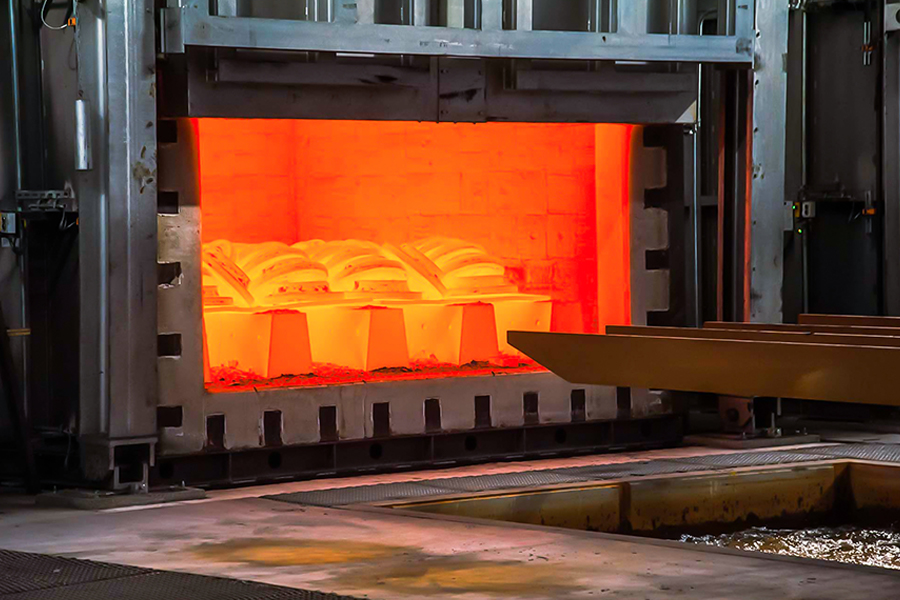
Heat treatment equipment is only half of the story. The other half is process control. Maiterio applies documented procedures for furnace calibration, load measurement, quench transfer time, and aging response verification.
For critical batches, Maiterio documents charges with heat numbers, process times, and actual furnace curves. This traceability helps downstream equipment manufacturers pass audits and keep warranty records clean.
T6-treated aluminum forgings are used where weight is expensive and fatigue is real. In wind power, aluminum components reduce rotor side mass while still resisting gust loads and vibration. In construction and mining machinery, they offer a high-strength alternative to cast parts, especially when the grain structure must follow complex load paths.
When specifying safety-critical parts, engineers should review how forgings compare with castings before selecting a manufacturing route.
For extreme load cases, 7075-T6 forgings provide performance close to many steel parts with a fraction of the density. This makes them valuable in wind power forgings and energy equipment where every kilogram matters.
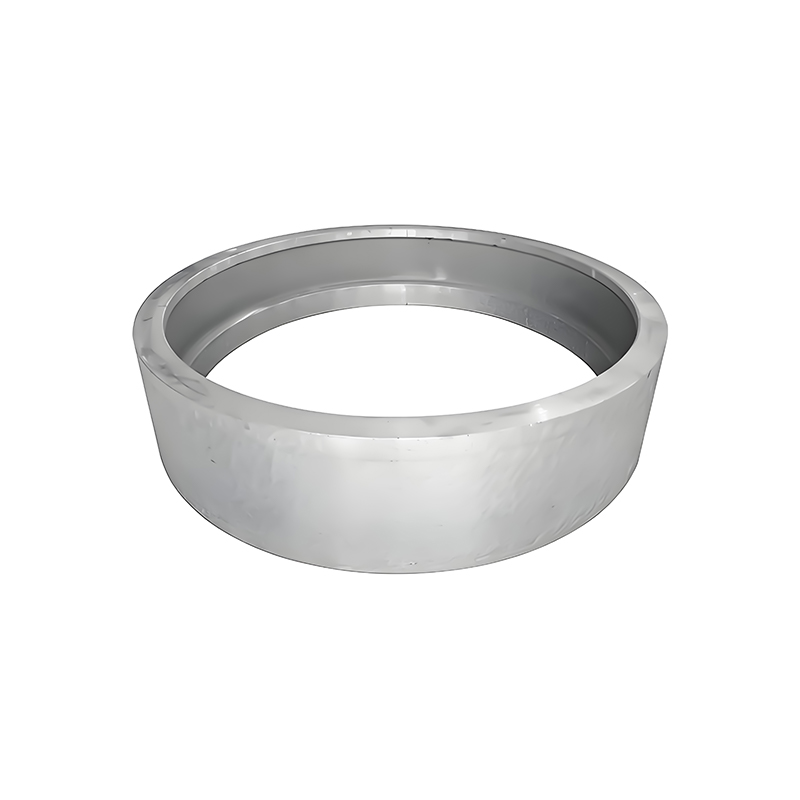 7075-T6 Aluminum Forgings for High-Strength Lightweight ComponentsWith zinc as the main alloying element, this series delivers strength close to steel at lower density. The context shows it is valuable for wind power and energy equipment where weight savings matter.View Product →
Maiterio also produces aluminum forgings for specialized drives, reaction plates, and press components. The same in-house facilities used for large steel rings and shafts support the heating, forging, heat treatment, and machining of aluminum parts.
The most detailed heat-treatment specification cannot compensate for a weak forging nucleus. A qualified supplier controls input material chemistry, forging temperature, reduction ratio, and final grain flow before the heat-treatment furnace is ever loaded.
When evaluating partners, ask about their experience with 2xxx, 6xxx, and 7xxx alloys, their furnace maintenance schedule, and whether heat-treatment data is released with the parts. Review this supplier evaluation checklist and request case studies with mechanical test data.
Maiterio’s integrated model combines raw material access, open-die and ring forging capability, more than 70 CNC machines, and an in-house quality system aligned with ISO 9001, ISO 14001, and ISO 45001. This allows buyers to receive forged, heat-treated, machined, and documented aluminum components from one responsible source.
 2A12 Aluminum Forgings for Aerospace and Structural ApplicationsAn aluminum-copper alloy offering high strength, fatigue resistance, and moderate corrosion resistance. The text notes Maiterio's integrated capabilities, supporting prototypes and serial production for global manufacturers.View Product →
With more than 150,000 tonnes of annual forging output and a 50,000 square metre facility, Maiterio can support both prototypes and serial production for global equipment manufacturers.
A1: T6 is a temper code that indicates the material has been solution heat treated, quenched, and then artificially aged. This cycle is optimized for each alloy to improve strength and hardness.
A2: The most common heat-treatable forging alloys are 6061, 2A12, and 7075. Non-heat-treatable alloys such as 5083 and 5A06 are not intended for T6 because their strength mechanism is different.
A3: Solution treating usually lasts 1 to 2 hours, followed by a rapid quench. Artificial aging may take 8 to 24 hours at temperature, depending on the alloy, section thickness, and target properties.
A4: T6 is normally completed before final machining because the aging step can introduce slight dimensional changes. For very tight tolerances, the forging may be rough machined before treatment and finish machined afterward.
T6 solution treating and artificial aging is one of the most important steps in aluminum forging production. It transforms a soft, formable blank into a reliable engineered component with the mechanical properties that equipment designers depend on. By choosing a supplier with controlled heat-treatment processes, traceable quality data, and real forging experience, you reduce the risk of field failures and bring high-quality products to market faster.

No.1317 Gangcheng Road, Daxin Town, Zhangjiagang, Jiangsu, China
WhatsApp:+86-151 5156 6388 Terry Huang
+86-151 5156 6388 Terry Huang
+86-138 1299 2607 Maggie Xia
Terry Huang -VP of Sales
[email protected]
Maggie Xia -VP of Sales
[email protected]

 Previous