
 English
 Español
 русский
Customized Offshore Subsea High-Pressure Forgings
Offshore Subsea High-Pressure Forgings
-- Steady & Reliable Manufacturer --
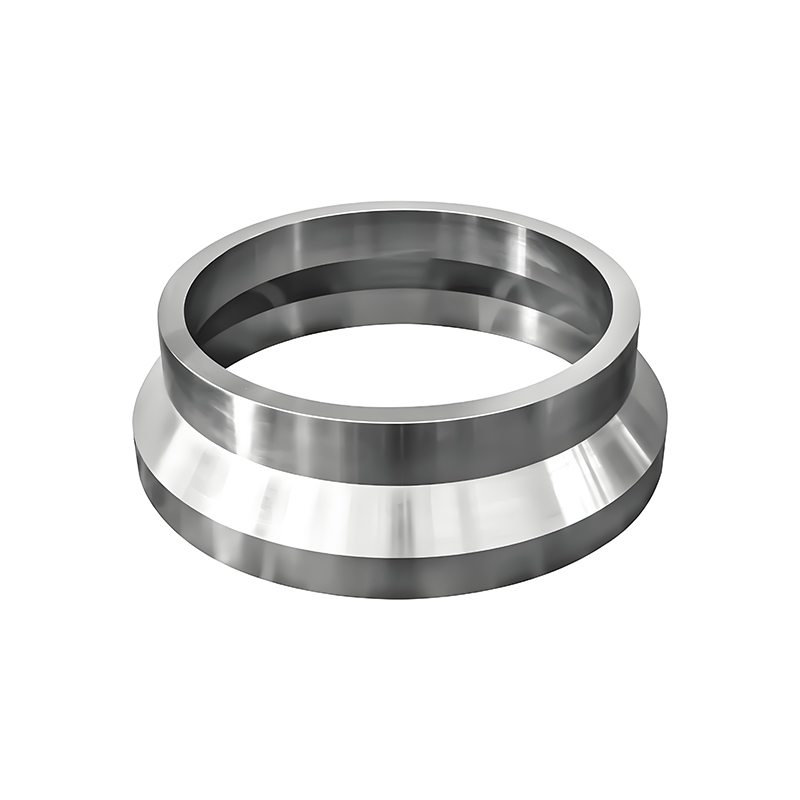
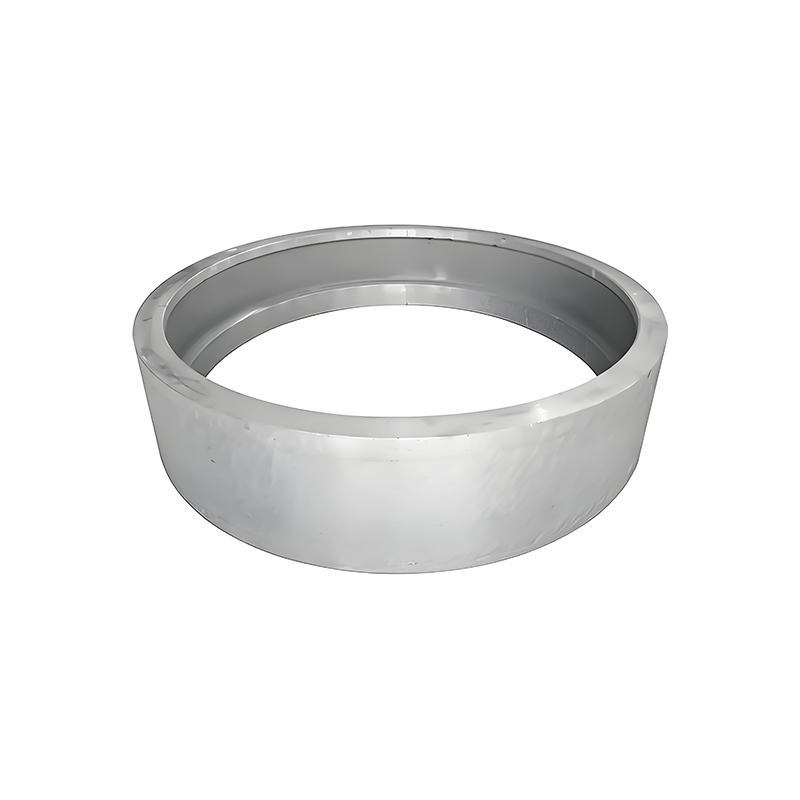

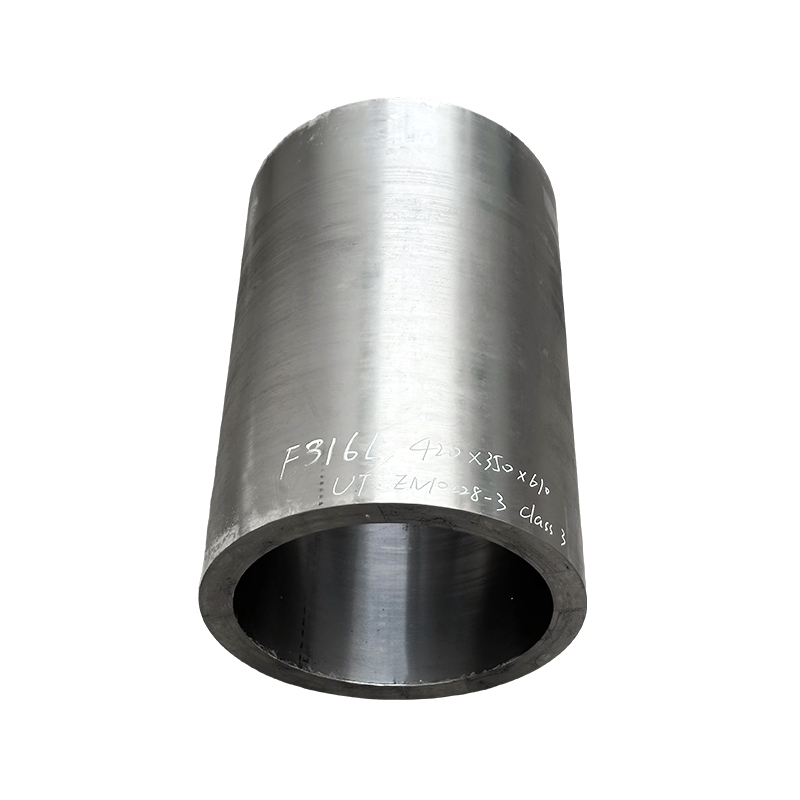
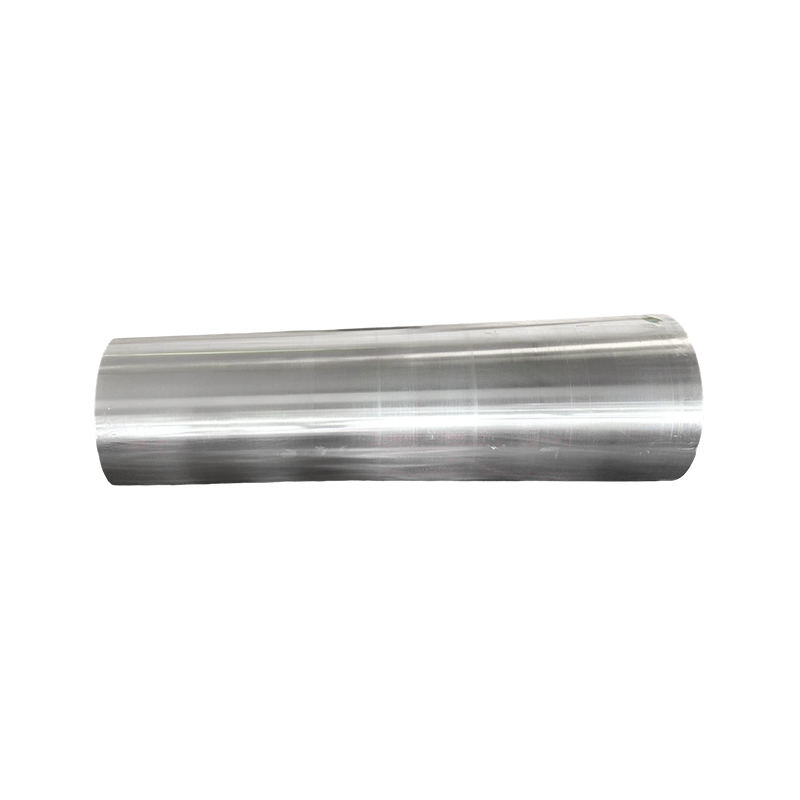
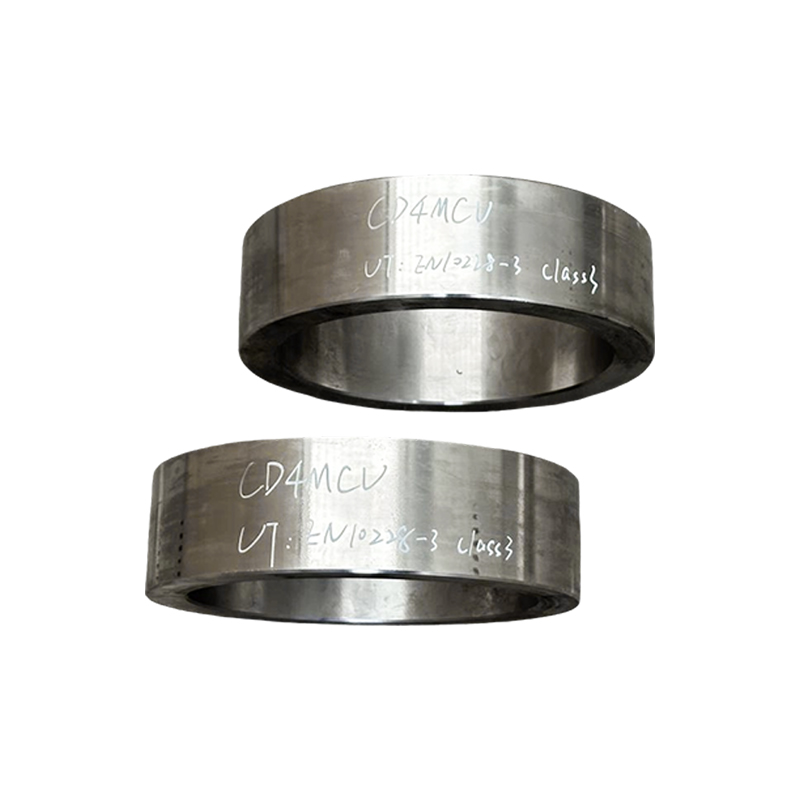
Offshore Subsea High-Pressure Forgings are forged metal components designed to contain pressure and carry load in underwater oil, gas and marine energy systems. They operate under external hydrostatic pressure, high internal fluid pressure, low temperature, cyclic loading and long exposure to seawater. Forging gives a dense, uniform structure with refined grain flow, which is why it is widely specified for these duties.
Typical items include wellhead and tree bodies, connectors, flanges, hubs, valve bodies, manifold blocks, clamps, hollow shafts and custom shaped blanks. At Maiterio, they are supplied in alloy steel, carbon steel, stainless steel and other agreed grades, as forged blanks, rough machined or finish machined, with material certificates and inspection records according to the order.
Key Advantages of Offshore Subsea High-Pressure Forgings
Pressure Containing Integrity
A dense forged structure with fewer internal voids supports reliable pressure containment in bodies, blocks and connectors.
Fatigue and Impact Resistance
Grain flow aligned with part geometry helps resist cyclic loading from waves, currents and pressure changes.
Seawater Corrosion Management
Grade selection combined with coating, cladding or cathodic protection design addresses long term seawater exposure.
Low Temperature Toughness
Properly heat treated grades maintain toughness at the low temperatures found at depth, reducing the risk of brittle fracture.
Long Service Life Potential
Subsea equipment is costly to retrieve, so sound material and controlled heat treatment support extended service intervals.
Traceable Documentation
Heat numbers, test records and certificates support project quality files required for offshore equipment.
Operating Environment Challenges for Subsea High-Pressure Components
Subsea parts face several loads at once, so material, heat treatment and inspection are normally defined together before production.
External Hydrostatic Pressure High Internal Pressure Seawater Corrosion Low Temperature Cyclic Fatigue Hydrogen Exposure
- Pressure loads: thick wall bodies and connectors must retain strength under both internal and external pressure.
- Corrosive media: seawater and produced fluids may call for corrosion resistant overlay or coating on critical surfaces.
- Cathodic protection: hydrogen uptake can affect high strength steels, so hardness and strength limits are usually controlled.
Types of Offshore Subsea High-Pressure Forgings We Can Produce
Wellhead and Tree Bodies
Forged bodies, spools and blocks for subsea wellhead and tree assemblies.
Connectors and Hubs
Hub, clamp and connector forgings for pipeline and flowline joining.
Flanges and Rings
Heavy flanges, seal rings and seamless rolled rings for pressure joints.
Valve Bodies and Manifold Blocks
Valve body, choke and manifold block forgings for flow control.
Cylinders and Hollow Shafts
Hydraulic cylinders, sleeves and hollow shaft blanks for actuators and tools.
Custom Shaped Blanks
Non-standard forms made to drawing, supplied as forged or machined parts.
Available Materials for Offshore Subsea High-Pressure Forgings
The grade is selected according to pressure rating, temperature, corrosion environment and the governing specification. Other grades can be reviewed against the drawing.
42CrMo4 / 4140 4130 4340 / 34CrNiMo6 F22 LF2 / A350 Low Temperature Steel F316 / F316L Duplex Stainless Steel Super Duplex Stainless Steel
- Low alloy steels: high strength and toughness after heat treatment, often protected by coating or overlay.
- Low temperature steels: selected where impact toughness at low temperature is required.
- Duplex and stainless grades: chosen where higher corrosion resistance is needed in seawater and process fluids.
Comparison of Material Options for Subsea High-Pressure Duty
| Aspect | Low Alloy Steel | Low Temperature Steel | Austenitic Stainless | Duplex Stainless |
|---|---|---|---|---|
| Strength level | High after heat treatment | Moderate to high | Moderate | High |
| Seawater corrosion resistance | Needs coating or overlay | Needs coating | Good, crevice sensitive | Good to very good |
| Low temperature toughness | Good with proper grade | Designed for this duty | Very good | Good |
| Typical use | Bodies, connectors, hubs | Flanges, valve parts | Fittings, small components | Manifolds, tubing hangers |
| Relative material cost | Medium | Low to medium | Medium to high | High |
The comparison is qualitative and for general guidance. Final selection depends on water depth, medium, design code and customer specification.
Manufacturing Capability for Offshore Subsea Forgings at Maiterio
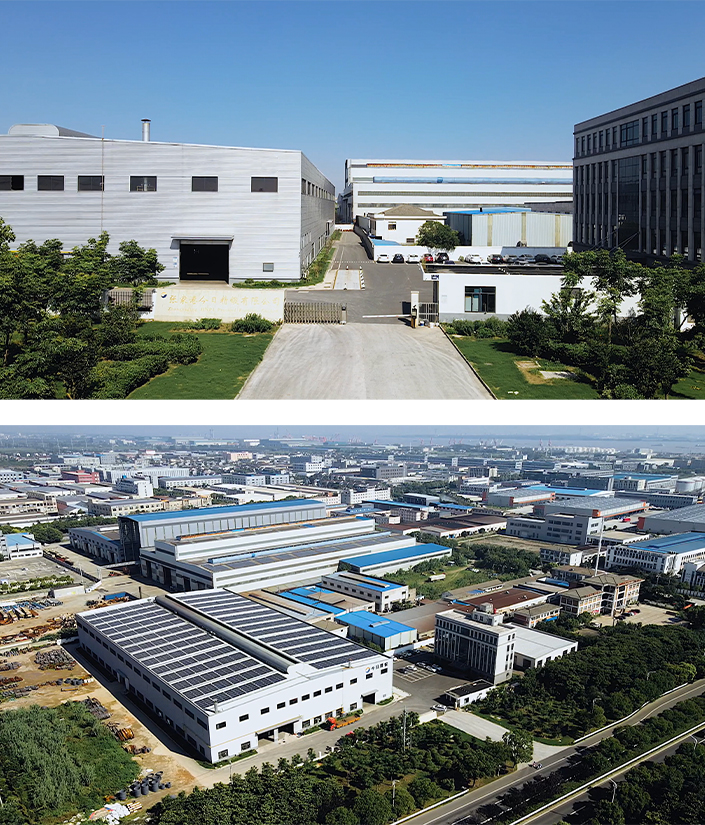
Our facility occupies over 50,000 square meters and combines forging and machining under one management system. The founding team consists of industry leaders with more than 30 years of experience in forging and metal processing.
50,000+Square meters of production area
3Ring forging lines
2Open die forging lines
2Machining workshops
70+CNC machines
30+Years of team experience
- Open die forging lines: used for blocks, bodies, hollow shafts and heavy custom parts.
- Ring forging lines: used for seamless rolled rings, flanges and hubs.
- Machining workshops: turning, boring, milling and drilling on CNC equipment for rough and finish machined supply.
Quality Control and Inspection for Subsea High-Pressure Forgings
Subsea parts are difficult to inspect or replace once installed, so verification is completed before delivery with a full range of in-house inspection tools.
Chemical Composition
German SPAX spectrometer for verifying alloy content against the specified grade.
Mechanical Properties
Tensile strength tester and impact toughness tester, with a Charpy notch projector for specimen checks.
Internal and Surface Soundness
Ultrasonic testing (UT) for internal defects and magnetic particle inspection (MP) for surface and near-surface indications.
Microstructure
Metallographic microscope for grain structure and heat treatment evaluation.
- Third-party inspection for partner products: for products from our strategic partners, our professional QC team conducts third-party quality inspections before packaging and shipment, so that only qualified products reach customers.
- Documentation: material certificates, test reports and dimensional records can be provided according to the order.
- Traceability: heat numbers and batch records are kept through forging, heat treatment and machining.
Application Fields of Offshore Subsea High-Pressure Forgings
Subsea Oil and Gas Production
Trees, wellheads, manifolds, jumpers and flowline connection hardware.
Offshore Platforms
Riser parts, high-pressure flanges, valve bodies and heavy structural forgings.
Offshore Wind and Marine Energy
Bearing rings, flanges, hollow shafts and connection components for foundations and drives.
Drilling and Well Control
Blowout preventer bodies, rams, bonnets and high-pressure drilling equipment parts.
Remotely Operated Equipment
Hydraulic cylinders, actuator housings and tool bodies for underwater vehicles and tooling.
Subsea Pipeline Systems
Hubs, clamps, end connectors and flanges for pipelines and umbilical terminations.
Custom Services for Offshore Subsea High-Pressure Forgings
- Technical review: drawing, grade, pressure class, tolerance and testing needs are checked before quotation.
- Process proposal: forging method, forging ratio, heat treatment and machining allowance are proposed to fit the duty.
- Production: forging and heat treatment are carried out on our open die and ring forging lines.
- Machining to stage: supply as forged blank, rough machined or finish machined on CNC equipment.
- Surface protection: anti-rust oil, painting, phosphating or other treatment suited to storage and transport.
- Inspection, packing and delivery: final checks, documentation and protective export packing.
Request a quotation: send your drawing, material grade, pressure requirements, quantity and testing needs through www.maiterio.com to receive a technical review and proposal.
Frequently Asked Questions About Offshore Subsea High-Pressure Forgings
Q1: What are offshore subsea high-pressure forgings?
They are forged components such as bodies, connectors, flanges, hubs and blocks used in underwater oil, gas and marine energy systems where pressure containment and reliability are required.
Q2: Why are forgings preferred over castings for subsea pressure parts?
Forging produces a denser, more uniform structure with fewer internal voids and better fatigue and impact behavior. This supports pressure-containing service where failure would be costly.
Q3: Which materials are commonly used?
Low alloy steels such as 4130, 4140 and 4340, low temperature steels, stainless steels and duplex grades are common. The choice depends on pressure, depth, temperature and corrosion environment.
Q4: How is corrosion in seawater managed?
Corrosion is usually managed through grade selection, coating, corrosion resistant overlay and cathodic protection in the system design. The method is agreed with the buyer based on the project specification.
Q5: Can you produce parts in custom dimensions?
Yes. Dimensions are produced according to the customer drawing, within the capability of our ring forging and open die forging lines. Please send the required size and weight range for review.
Q6: What inspection equipment do you use?
Our in-house tools include a German SPAX spectrometer, impact toughness tester, Charpy notch projector, ultrasonic testing equipment, tensile strength tester, magnetic particle inspection and a metallographic microscope.
Q7: How do you check products from strategic partners?
Our professional QC team carries out third-party quality inspection before packaging and shipment, so that only qualified products are released to customers.
Q8: Can parts be supplied rough machined or finish machined?
Yes. With more than 70 CNC machines in two machining workshops, parts can be delivered as forged blanks, rough machined or finish machined according to your process.
Q9: What information is needed for a quotation?
Please provide the drawing, material grade, pressure class, heat treatment condition, quantity, testing requirements, delivery stage and destination. Applicable standards or customer specifications help avoid revisions.
Q10: How are forgings protected during storage and shipment?
Machined surfaces can be coated with anti-rust oil or other treatment, and parts are packed with suitable supports for sea or land transport to limit corrosion and mechanical damage.
Maiterio Group
Founded in 2019, Maiterio Group specializes in seamless rolled rings, forged shafts, forged cylinders, and precision-machining components for high-performance applications. With ISO 9001/14001/45001 standards, we cater our quality control and production process controls to the highest global standards. Our terminal customers include global giants such as GE Vernova, Vestas, Caterpillar, Siemens energy and Komatsu. Occupying over 50,000 square meters, we have 3 ring forging lines, 2 open die forging lines, 2 machining workshops with over 70 CNC machines. Our whole founding teams are all industry leaders with over 30 years of experience, positioning us among the most trusted China Offshore Subsea High-Pressure Forgings Manufacturers and a reliable Wholesale Offshore Subsea High-Pressure Forgings OEM Factory for global industrial buyers. In 2024, we developed our steel trading and forging wholeline solution offering as our second and third business area. As the largest customer of Yong Gang ( top 3 alloy steel mill in China), we have the most competitive steel purchase prices and quality control guaranteed by our internal consumption. As the most competitive forging factory, we designed our own forging lines which can have smaller forging allowances and higher production pace, we know best how to design a perfect forging production line as we have been the user for 30 years.
Latest Updates