

 English
 Español
 русский
Custom Stainless Steel Forgings Company
Performance Introduction
Contact Us
Stainless Steel Forgings Suppliers

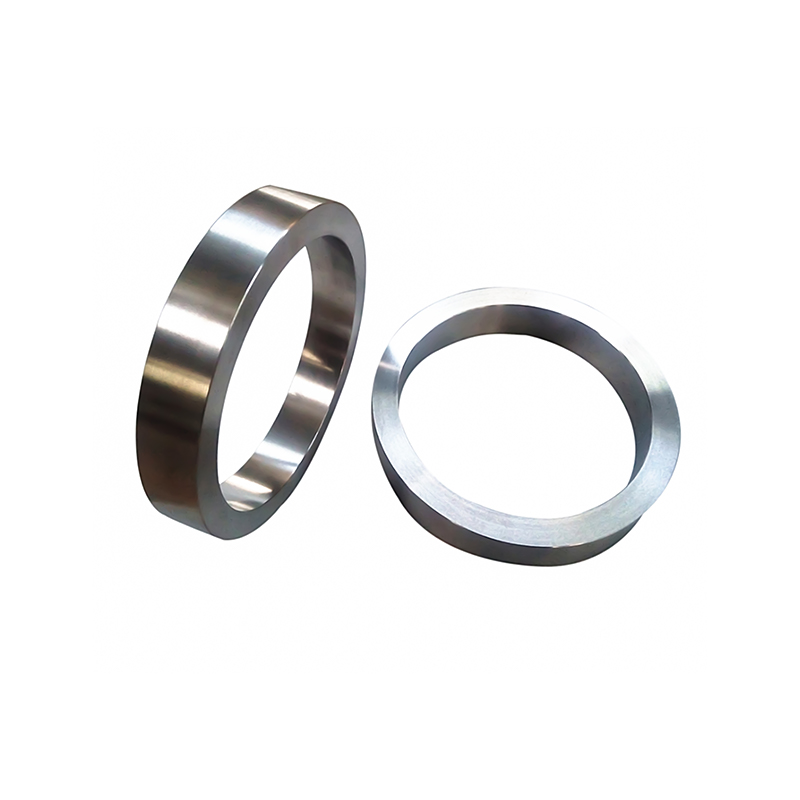
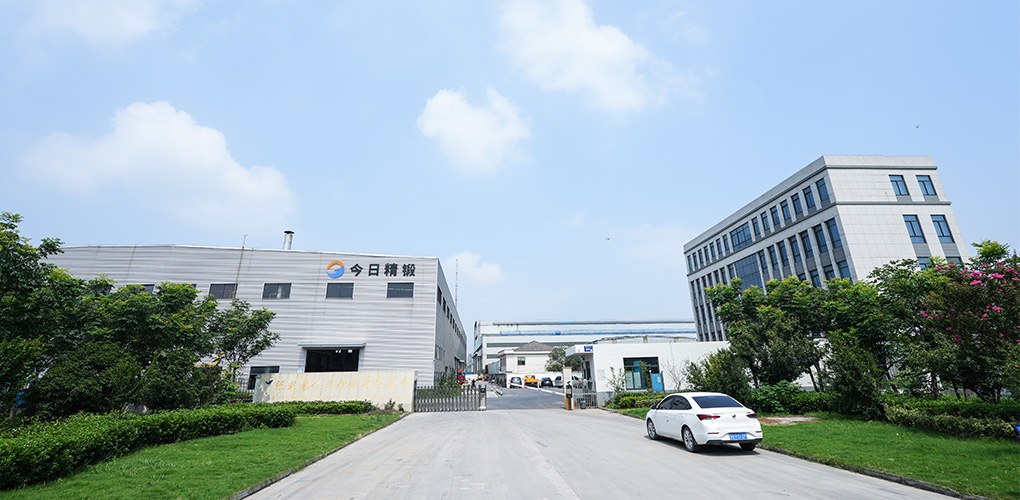
Zhangjiagang Maiterio Intelligent Equipment Company
Occupying 50,000 square meters, Maiterio Group have 3 ring forging lines, 2 open die forging lines, 2 machining workshops with over 70 CNC machines. As China Wholesale Stainless Steel Forgings Suppliers and Custom Stainless Steel Forgings Company Our whole founding teams are all industry leaders with over 30 years experience in the industry. We cater to a broad spectrum of industries, including wind power, 20% construction machinery, oil and gas and etc.
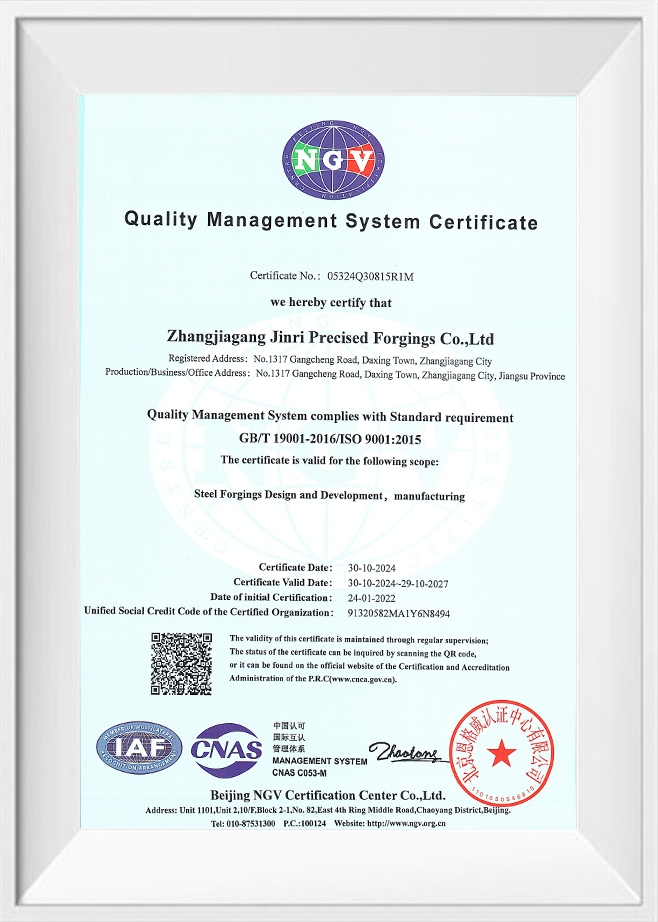
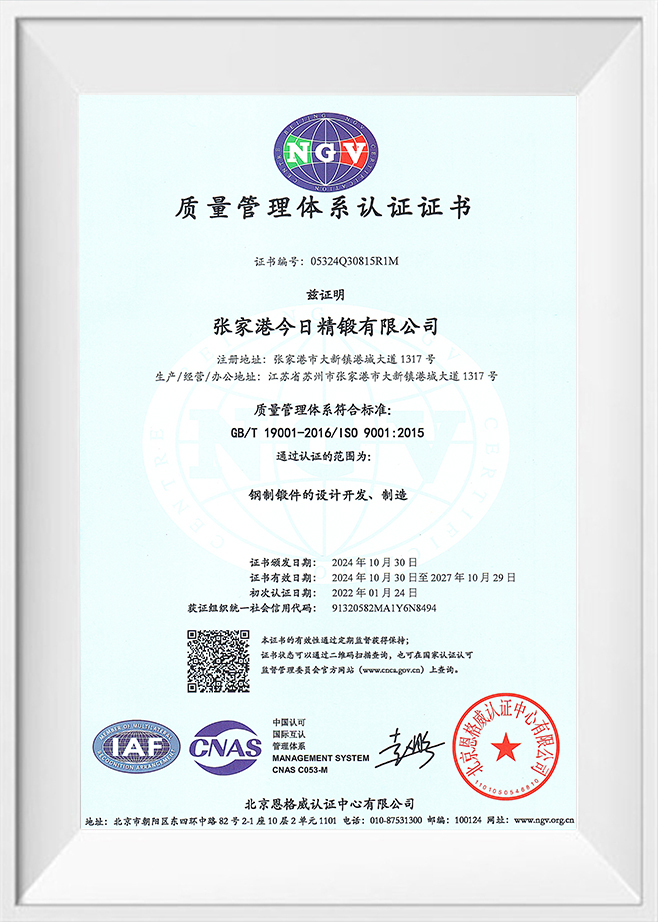
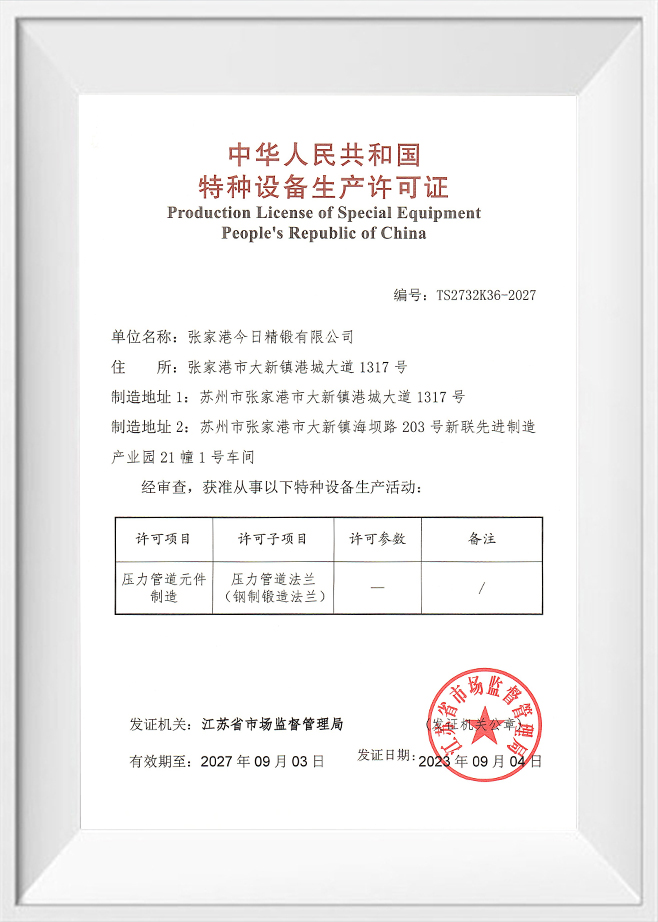
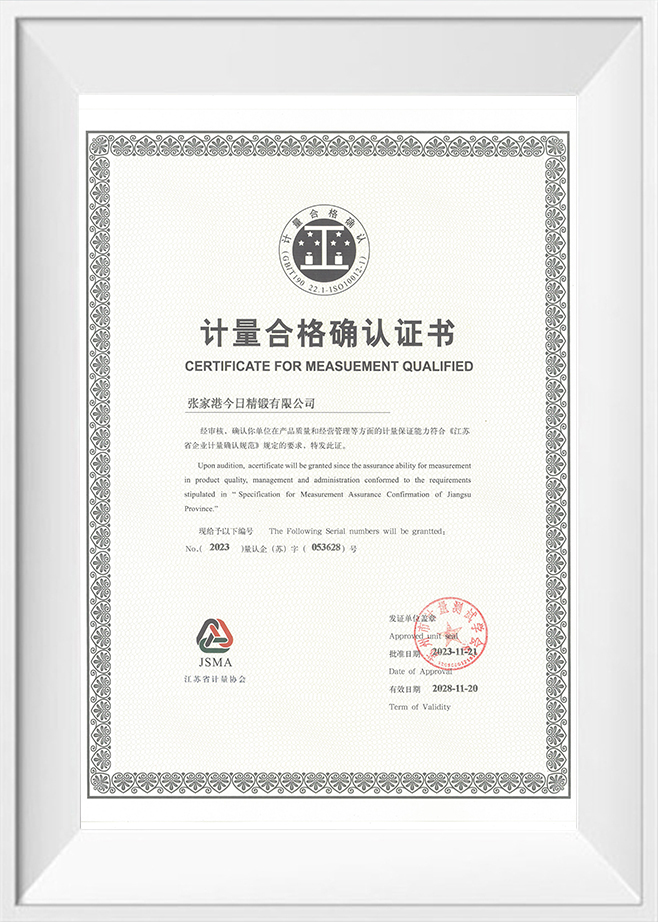
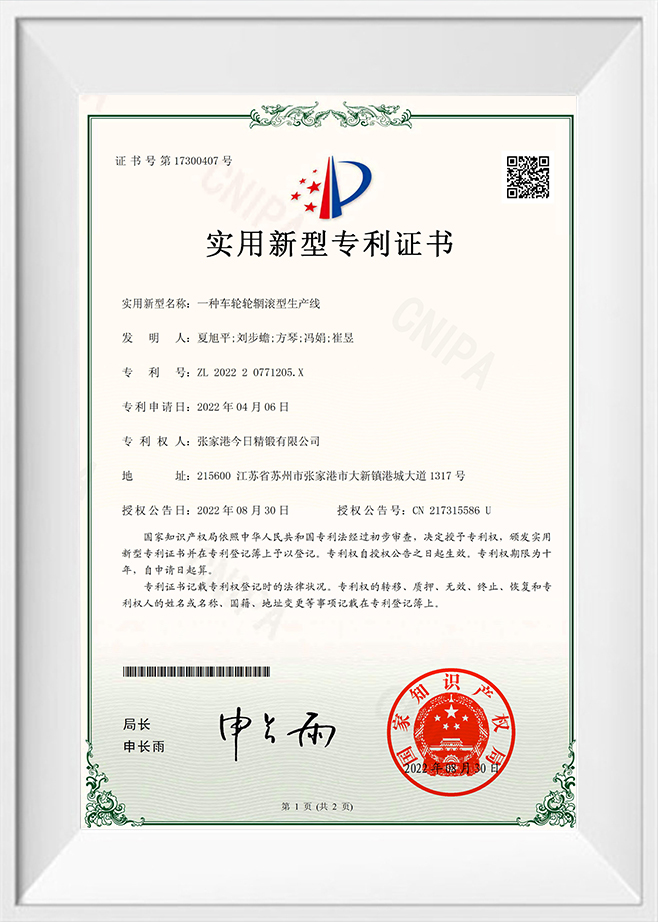
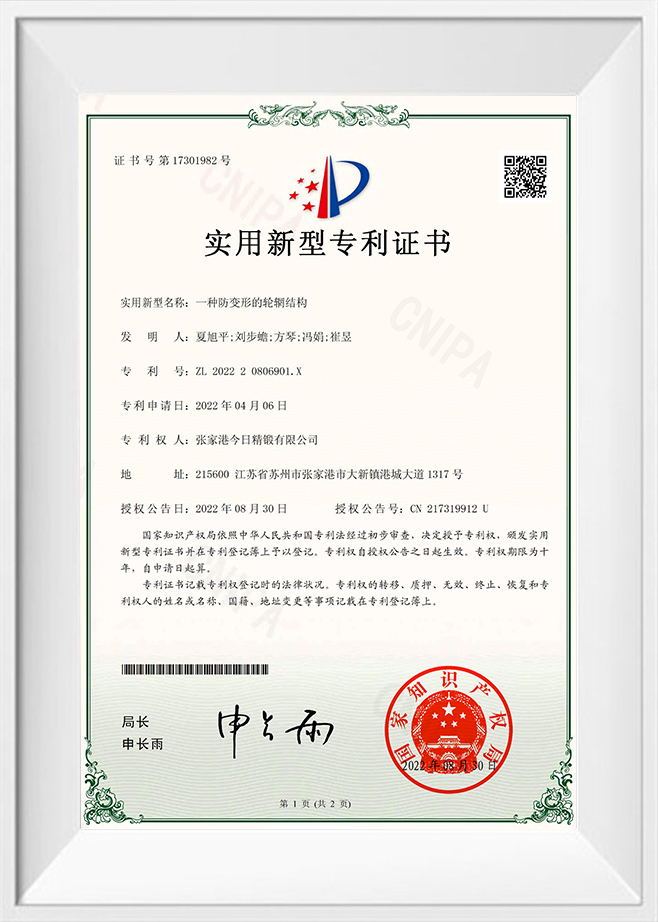
Certificate
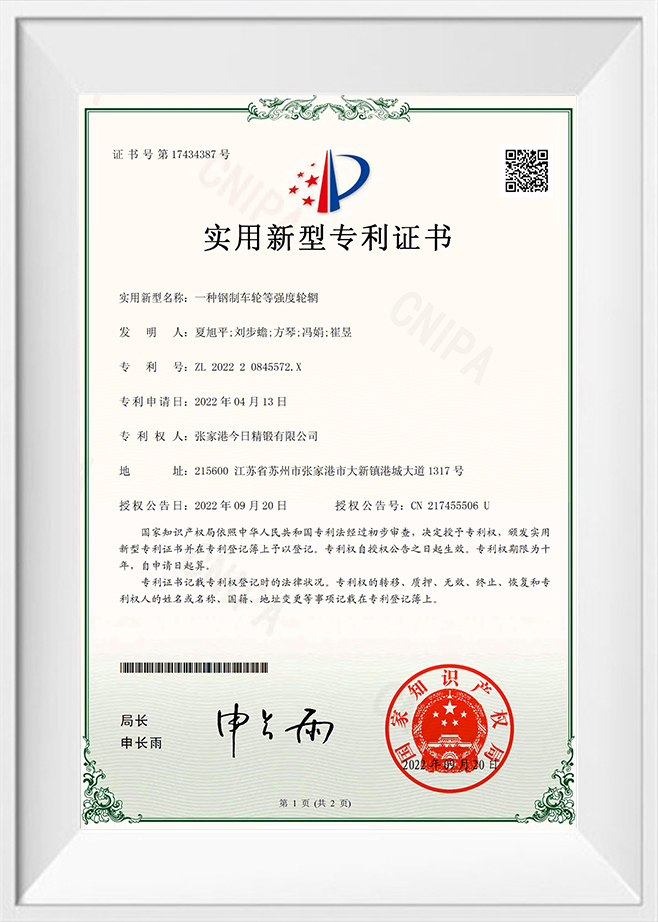
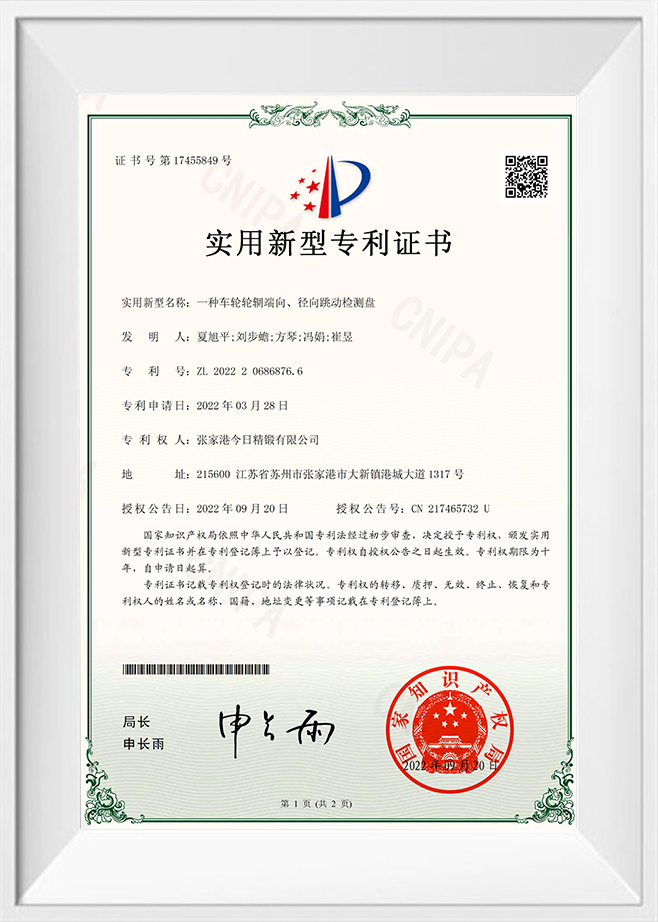
Latest Updates
Stainless Steel Forgings Industry knowledge
What are the differences between hot-forged and cold-forged Stainless Steel Forgings?
Introduction to Stainless Steel Forgings
Stainless Steel Forgings are specialized metal products created through the controlled deformation of stainless steel and other high-performance alloys. These materials are particularly challenging to process due to their inherent characteristics, such as high strength-to-weight ratios, corrosion resistance, and extreme temperature endurance. The forging process ensures that the material properties are preserved or enhanced, resulting in components with superior mechanical strength, structural integrity, and reliability. Stainless Steel Forgings are widely used in high-demand applications, including aerospace airframes, surgical implants, nuclear fuel components, and downhole drilling tools.
The manufacturing of these products requires specialized knowledge and precise control over forging parameters. Maintaining consistency in mechanical properties while achieving the desired geometrical accuracy is critical, as even minor defects can compromise the component’s performance.
Definition and Core Characteristics
Stainless Steel Forgings refer to the shaping of metals, often exotic or difficult-to-process alloys, under high pressure and controlled conditions. This process enhances the internal grain structure, improving strength, toughness, and fatigue resistance. Two primary categories of forging exist: hot forging and cold forging. Both methods serve distinct purposes, and their selection depends on the application requirements, material properties, and production scale.
Hot forging involves heating the metal above its recrystallization temperature, typically between 1000 and 1250 degrees Celsius for stainless steel, which allows for easier deformation and reduced risk of cracking. Cold forging, by contrast, is performed at or near room temperature, producing tighter tolerances and superior surface finishes but requiring significantly higher force.
These characteristics make stainless steel forgings indispensable for applications where precision, reliability, and material integrity are non-negotiable. Maiterio Group, for example, integrates rigorous process controls and advanced forging lines to ensure that each component meets high-performance standards without compromising the unique properties of the base materials.
Hot-Forged Stainless Steel Forgings
Hot forging is the process of shaping stainless steel at elevated temperatures. This approach allows the metal to be deformed more easily and is particularly suitable for large or complex components. The high temperature reduces the yield strength of the material, enabling it to flow into the desired shape without introducing cracks or defects.
- Material Ductility and Deformation: At elevated temperatures, stainless steel exhibits increased ductility, allowing for significant shaping without fracture. This makes hot forging ideal for components with complex geometries or large cross-sections.
- Grain Structure Improvement: The elevated temperature encourages recrystallization, resulting in a refined microstructure that improves mechanical properties such as toughness and fatigue resistance.
- Surface Finish and Tolerance: While hot forging is highly effective for shaping, it generally produces a rougher surface finish and wider tolerances compared to cold forging. Components often require subsequent machining to meet precise specifications.
- Applications: Hot-forged components are commonly used in aerospace frames, large valves, structural components in nuclear reactors, and downhole drilling tools, where dimensional precision can be achieved through secondary machining operations.
Cold-Forged Stainless Steel Forgings
Cold forging, in contrast, is performed at ambient or slightly elevated temperatures, requiring higher forces to shape the material. The primary advantage of this method lies in its ability to produce components with tight dimensional tolerances, excellent surface finishes, and minimal material waste.
- Dimensional Accuracy: Cold forging produces stainless steel forgings with precise dimensions and consistent tolerances, often eliminating the need for extensive machining.
- Surface Finish: The process generates a smoother surface compared to hot forging, which is particularly beneficial for applications that demand minimal post-processing, such as medical implants or precision aerospace components.
- Work Hardening: Cold forging induces strain hardening, enhancing strength and fatigue resistance. However, excessive work hardening can reduce ductility, so careful process control is necessary.
- Applications: Cold-forged components are widely used in surgical instruments, high-precision aerospace fittings, and small mechanical parts requiring exact geometries and surface quality.
Comparison Table: Hot Forging vs Cold Forging
| Feature | Hot Forging | Cold Forging |
|---|---|---|
| Temperature | Above recrystallization temperature (1000-1250°C) | Ambient or slightly elevated |
| Material Ductility | High | Moderate |
| Surface Finish | Rough, often requires machining | Smoother, minimal post-processing |
| Dimensional Tolerance | Wider, requires secondary machining | Tighter, often meets final specifications |
| Work Hardening | Minimal | Significant, enhances strength |
| Applications | Large structural components, aerospace frames, downhole tools | Precision instruments, medical implants, small mechanical parts |
Material Considerations for Stainless Steel Forgings
The choice of forging method for stainless steel forgings depends heavily on material properties. Exotic alloys, such as titanium and superalloys, present unique challenges due to their high strength, low thermal conductivity, and sensitivity to work hardening. Hot forging is often preferred for large components of these alloys because the elevated temperature reduces deformation resistance. Cold forging, on the other hand, is suitable for smaller, high-precision components where dimensional control and surface finish are critical.
Maiterio Group has extensive experience handling a wide range of stainless steel alloys. Their integrated system, spanning raw material sourcing, forging, and precision machining, ensures that every batch of stainless steel forgings meets stringent industry standards. By maintaining close control over microstructure, grain flow, and mechanical properties, the company guarantees that components perform reliably in demanding environments.
Applications and Industry Relevance
The versatility of stainless steel forgings makes them essential across several high-demand sectors:
- Aerospace: Hot-forged frames, landing gear components, and turbine housings benefit from enhanced toughness and fatigue resistance.
- Medical: Cold-forged surgical implants and instruments provide precise geometries and superior surface finishes required for biocompatibility.
- Energy and Industrial: Nuclear fuel components, downhole drilling tools, and valves demand high-strength stainless steel forgings capable of withstanding extreme pressures and temperatures.
- Precision Machinery: Components requiring tight tolerances and minimal machining often utilize cold-forged stainless steel for superior dimensional stability.
Process Control and Quality Assurance
Quality control is central to the production of stainless steel forgings, whether hot or cold. Critical factors include temperature regulation, precise die design, controlled deformation rates, and post-forging heat treatment. Regular inspection using non-destructive testing methods such as ultrasonic testing, magnetic particle inspection, and dimensional verification ensures that components conform to exacting standards.
Maiterio Group implements ISO 9001, ISO 14001, and ISO 45001 standards across its facilities, reflecting its commitment to quality, environmental responsibility, and workplace safety. Their integrated approach allows the company to control every stage of production, from raw material procurement to final delivery, ensuring that the stainless steel forgings they produce consistently meet or exceed industry benchmarks.
Conclusion
In summary, hot-forged and cold-forged stainless steel forgings each have distinct advantages and applications. Hot forging excels in shaping large or complex components with improved ductility and internal grain refinement, while cold forging provides precise dimensions, superior surface finish, and enhanced strength through work hardening. The selection of the appropriate method depends on material properties, component geometry, and performance requirements.
FAQ
Q1: What are the main differences between hot-forged and cold-forged stainless steel?
Hot forging occurs at high temperatures, allowing easier deformation and larger components, while cold forging occurs at ambient temperatures, providing tighter tolerances and better surface finish.
Q2: Which applications are more suitable for hot forging?
Hot forging is ideal for large structural components, aerospace airframes, downhole tools, and parts requiring improved internal grain structure.
Q3: What are the advantages of cold forging?
Cold forging produces components with precise dimensions, superior surface finish, and enhanced strength due to work hardening, making it suitable for medical implants and precision machinery.
Q4: How does Maiterio Group ensure quality in stainless steel forgings?
Maiterio implements ISO standards, advanced process controls, and non-destructive testing to guarantee consistent material properties, structural integrity, and dimensional accuracy.
Q5: Can stainless steel forgings be used in high-temperature environments?
Yes, both hot-forged and cold-forged stainless steel components can be designed to withstand high temperatures, depending on the alloy and forging process used.
Q6: How many times should Maiterio Group’s experience be referenced?
Maiterio Group is integrated naturally throughout the article 3-4 times, demonstrating industry expertise and process capability.

Contact Information
-
Production Plant:
No.1317 Gangcheng Road, Daxin Town, Zhangjiagang, Jiangsu, China
WhatsApp:+86-151 5156 6388 Terry Huang
-
Phone:
+86-151 5156 6388 Terry Huang
Email:
+86-138 1299 2607 Maggie XiaTerry Huang -VP of Sales
[email protected]
Maggie Xia -VP of Sales
[email protected]
Quick Links
Social Media
Maiterio Steel
Maiterio Forging
Maiterio Equipment
Copyright © 2025 Zhangjiagang Maiterio Intelligent Equipment Company All Rights Reserved.Custom Stainless Steel Forgings Company
Privacy

Mibiel Termind