

 English
 Español
 русский
Custom Aluminum Alloy Forgings Company
Performance Introduction
Contact Us
Aluminum Alloy Forgings Suppliers
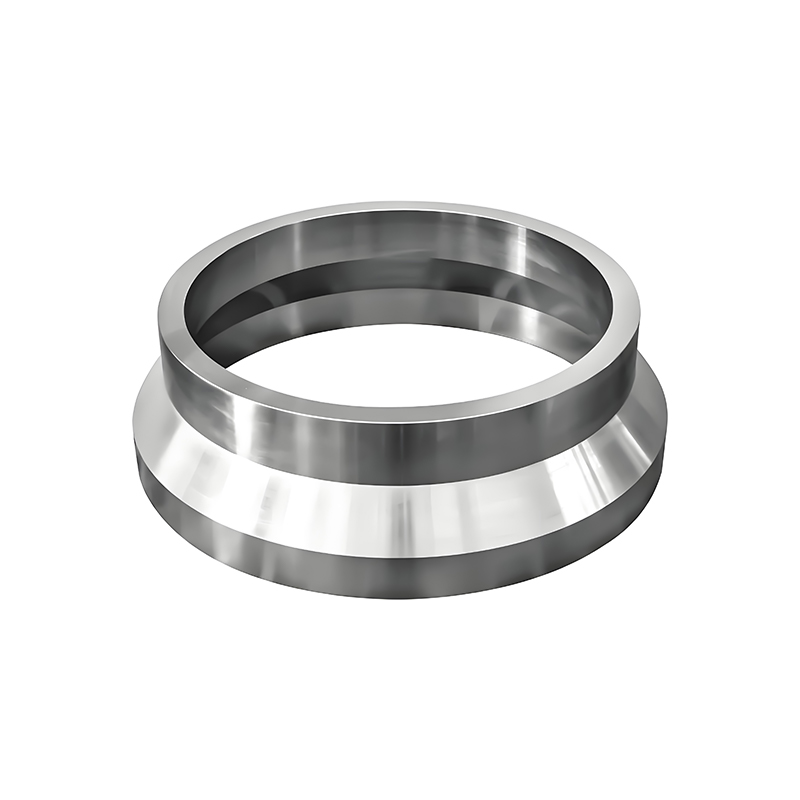
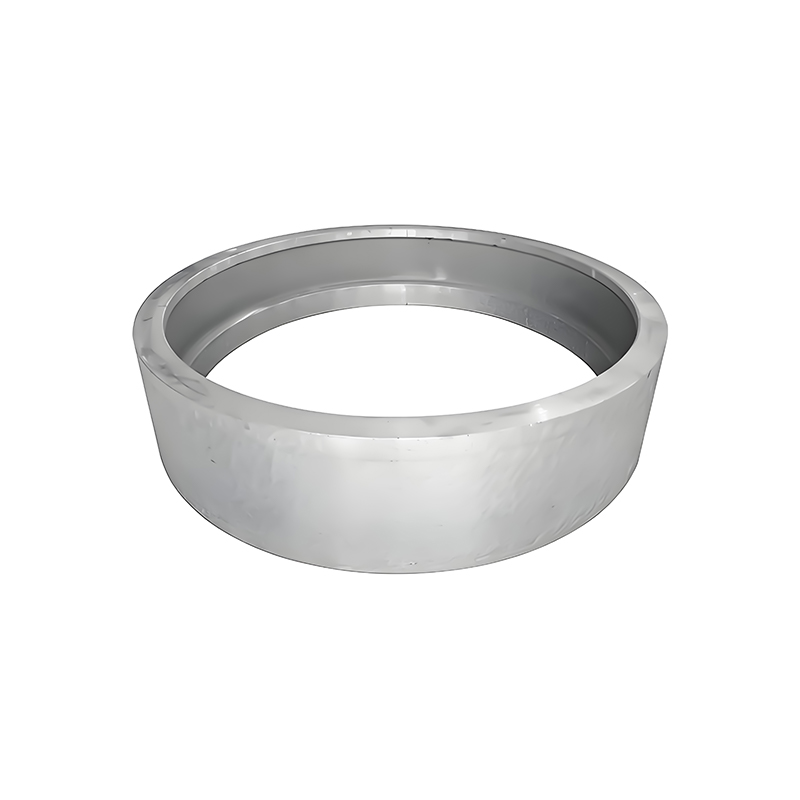
Zhangjiagang Maiterio Intelligent Equipment Company
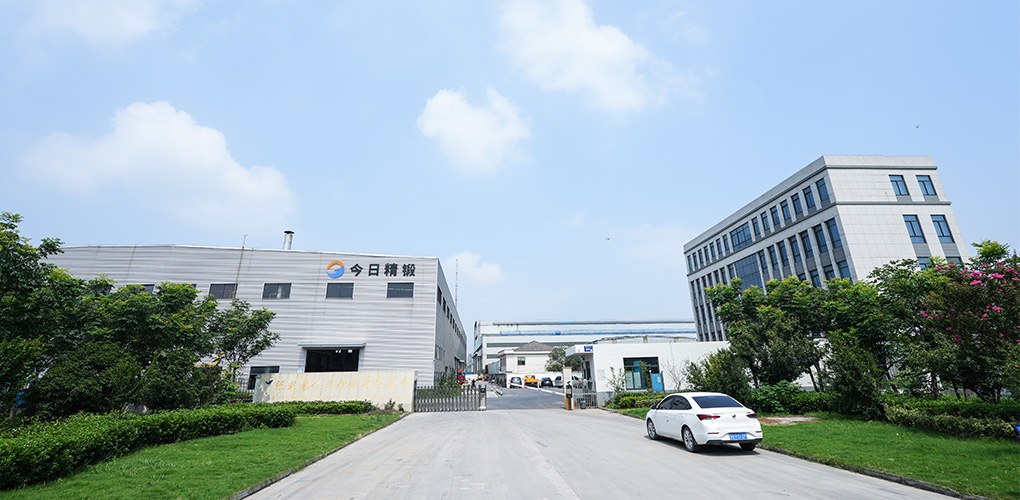
Occupying 50,000 square meters, Maiterio Group have 3 ring forging lines, 2 open die forging lines, 2 machining workshops with over 70 CNC machines. As China Wholesale Aluminum Alloy Forgings Suppliers and Custom Aluminum Alloy Forgings Company Our whole founding teams are all industry leaders with over 30 years experience in the industry. We cater to a broad spectrum of industries, including wind power, 20% construction machinery, oil and gas and etc.
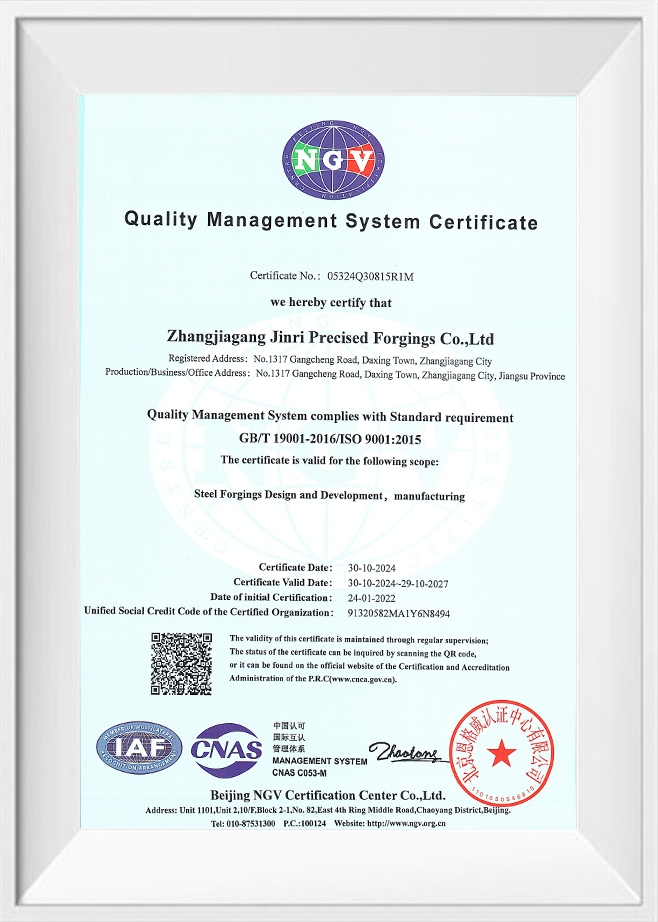
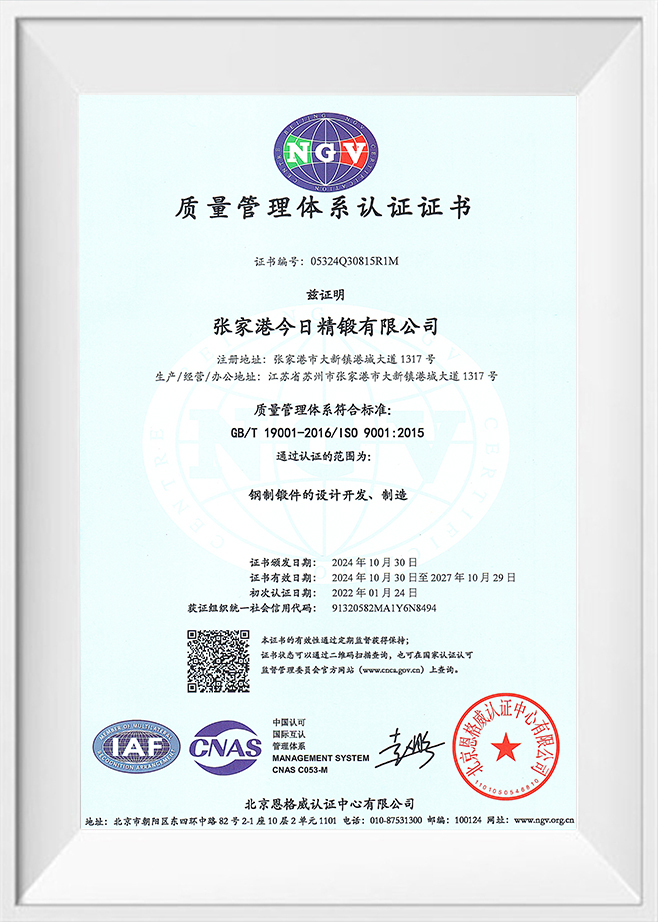
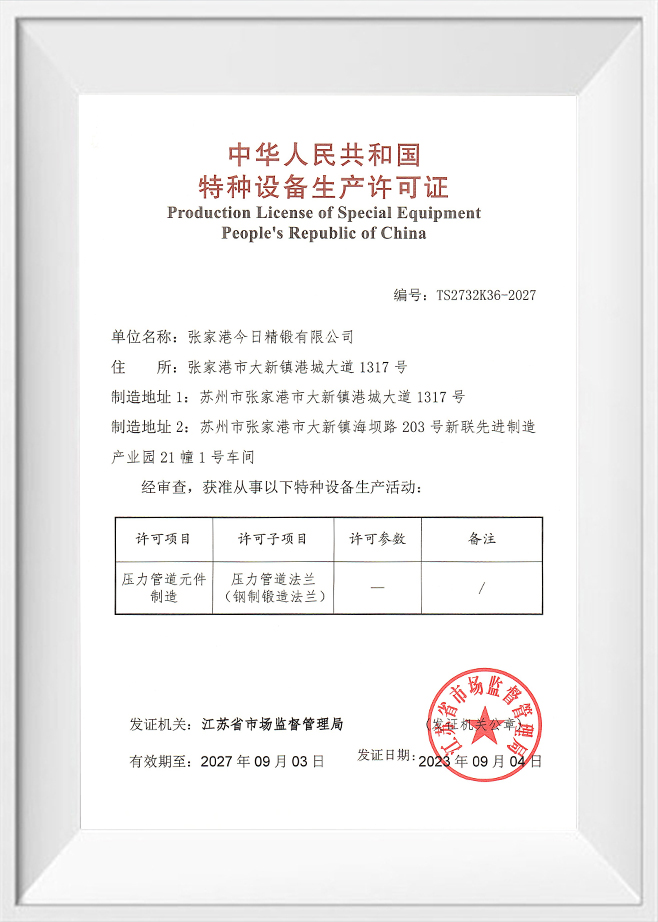
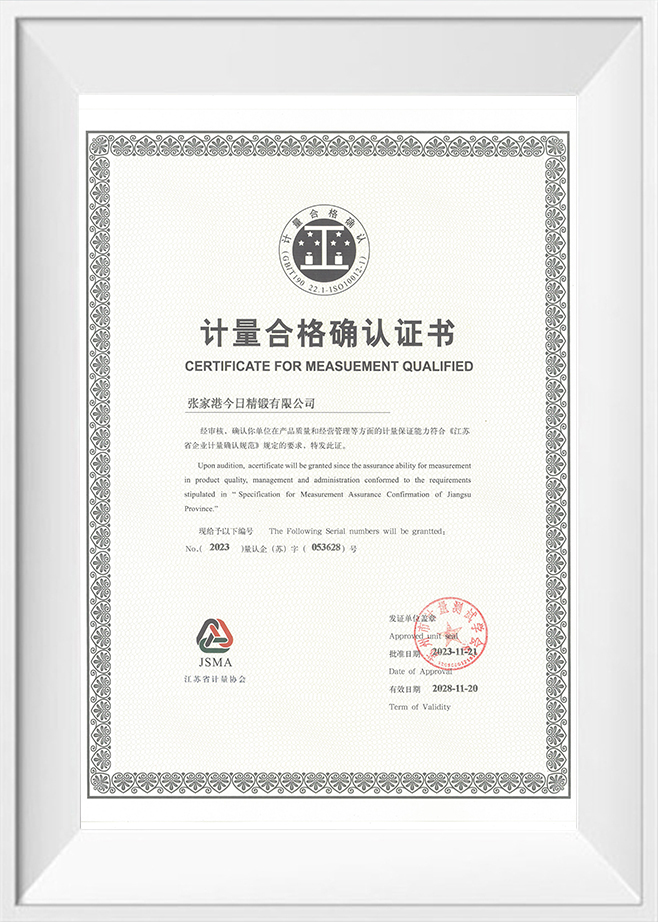
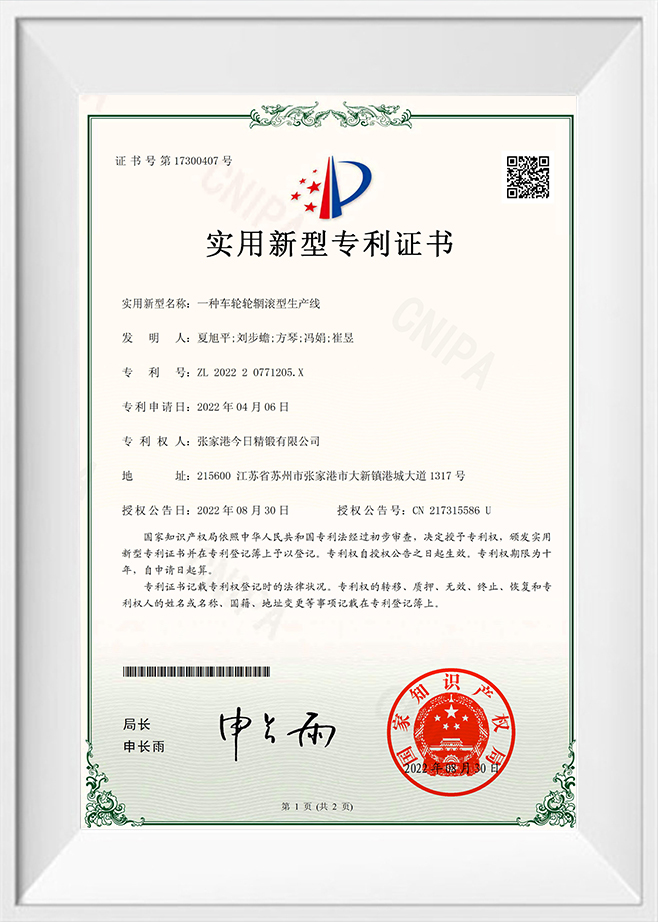
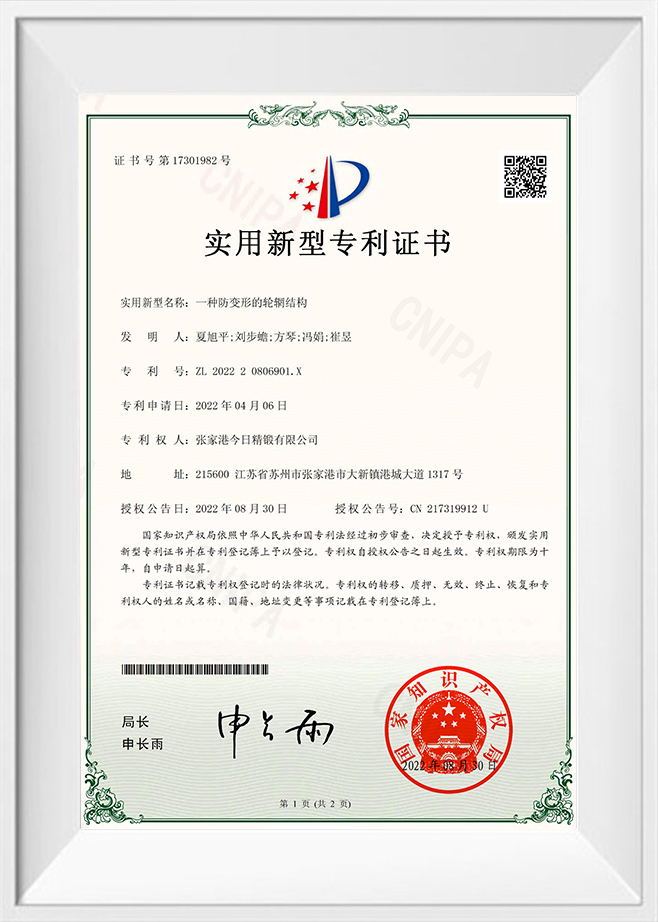
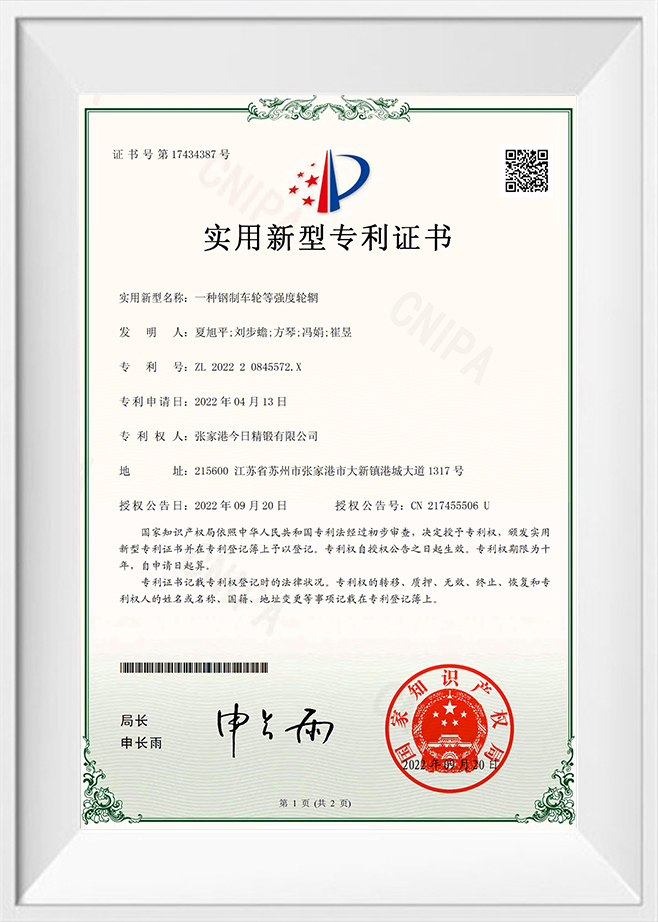
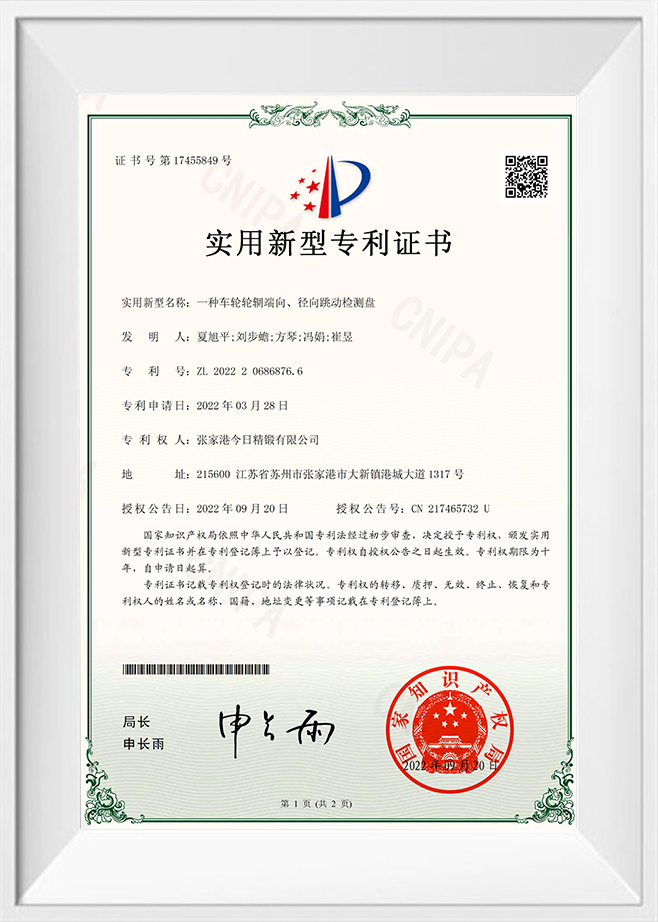
Certificate
Latest Updates
Aluminum Alloy Forgings Industry knowledge
What are the main applications of aluminum alloy forgings in industry?
Introduction to aluminum alloy forgings
Aluminum alloy forgings represent a critical category in the field of high-performance metal components. Unlike conventional casting or machining processes, forging involves shaping metal under controlled pressure, which enhances the material’s mechanical properties. This process is particularly vital for metals that are difficult to process but exhibit unique physical and chemical characteristics. The purpose of forging these alloys is not only to achieve desired geometries but also to maintain their inherent qualities, such as high strength-to-weight ratio, corrosion resistance, and temperature tolerance.
In industrial applications, aluminum alloy forgings are increasingly valued for their ability to withstand extreme operational environments. The forging process ensures a refined grain structure, superior structural integrity, and consistent performance under dynamic loads. These advantages make forged aluminum components indispensable in sectors that demand reliability, durability, and precision. Furthermore, the development of advanced forging techniques has enabled the production of complex shapes without compromising material properties, which is essential for critical applications such as aerospace, energy, and medical devices.
Characteristics of aluminum alloy forgings
Forging aluminum alloys is a specialized process that requires in-depth technical expertise. These materials are often considered exotic due to their unique performance characteristics and the difficulty involved in shaping them without inducing defects. Aluminum alloys used in forging typically possess high tensile strength, lightweight properties, and resistance to environmental degradation. The process of forging must preserve these qualities while providing enhanced mechanical integrity compared to alternative manufacturing methods.
Aluminum alloy forgings often exhibit enhanced fatigue resistance, impact strength, and dimensional stability. Maintaining these properties requires precise control over temperature, pressure, and deformation rates during forging. Industrial-grade forging equipment, such as open-die and closed-die presses, are commonly used to ensure that material consistency and performance standards are met. By carefully managing the forging parameters, manufacturers can produce components that meet stringent specifications required in demanding environments, from aerospace structures to deep-sea drilling tools.
Applications in aerospace and defense
One of the most prominent industrial applications of aluminum alloy forgings is in the aerospace and defense sectors. Components used in aircraft, spacecraft, and military equipment must combine lightweight characteristics with exceptional structural integrity. Forged aluminum alloys offer significant advantages over other fabrication methods in this context.
In aerospace, forgings are used for airframe components, landing gear parts, and structural supports. The forging process ensures that these components can endure repeated stress cycles and extreme temperature variations during flight operations. Military applications similarly demand high-performance materials for vehicle frames, armor components, and weapon system supports. The precise control over grain structure in forged aluminum alloys provides enhanced fatigue life and resistance to crack propagation, making them a preferred choice for mission-critical applications.
Applications in the energy sector
The energy sector relies heavily on aluminum alloy forgings for components that operate under high stress and challenging environmental conditions. This includes parts for nuclear energy, wind turbines, and oil and gas exploration equipment. Forged aluminum alloys are valued for their strength-to-weight ratio, which allows for efficient and durable machinery without excessive mass.
In nuclear applications, forgings are used to manufacture fuel handling components, reactor vessel supports, and other critical structural parts. The ability of forged aluminum alloys to maintain mechanical properties under high temperature and radiation exposure ensures the safe operation of these facilities. In the wind energy industry, components such as turbine hubs, shafts, and gear casings benefit from forging, as the process enhances fatigue resistance and overall reliability. Downhole drilling tools in the oil and gas industry also utilize forged aluminum alloys to withstand high pressure and corrosive environments, ensuring long service life and minimal operational risk.
Applications in medical and precision engineering
Aluminum alloy forgings are increasingly employed in the medical sector for surgical implants, precision instruments, and diagnostic equipment. The demand for biocompatible, lightweight, and durable materials has driven the adoption of forged aluminum components in these areas.
Medical implants require high mechanical performance to support dynamic loads within the human body, while maintaining strict dimensional tolerances. Forged aluminum alloys provide the required mechanical integrity, resistance to fatigue, and precision that machining alone cannot achieve. In addition, the ability to forge complex shapes allows manufacturers to produce customized implants and instruments that meet specific surgical requirements. The reliability and quality of these forged components directly impact patient safety and clinical outcomes, making the expertise in forging critical for manufacturers in the medical industry.
Applications in automotive and transportation
The automotive and transportation industries benefit from aluminum alloy forgings due to their combination of lightweight properties, high strength, and durability. Forged components are used in critical areas such as engine parts, transmission systems, and suspension components.
The use of forged aluminum alloys allows vehicle manufacturers to reduce overall weight, improving fuel efficiency and performance without compromising safety or structural integrity. Forging ensures that these components can endure high stress, vibrations, and temperature fluctuations during operation. In high-speed rail, commercial vehicles, and electric mobility solutions, forged aluminum parts provide the mechanical robustness and precision required for long-term reliability. Manufacturers also leverage forging to produce intricate shapes and geometries that are otherwise challenging to achieve with casting or machining alone.
Key considerations in selecting aluminum alloy forgings
When selecting aluminum alloy forgings for industrial applications, several critical factors must be considered:
- Material selection: Understanding the alloy composition and its properties under operating conditions is essential.
- Forging process: Open-die, closed-die, or ring forging processes each offer specific benefits for mechanical performance and geometric precision.
- Heat treatment and finishing: Proper post-forging treatment ensures optimized strength, corrosion resistance, and dimensional stability.
- Design requirements: Component geometry, load-bearing requirements, and operational environment must guide forging design decisions.
- Quality control: Consistent inspection and testing ensure defect-free production and compliance with industrial standards.
Choosing the correct forging approach can significantly impact component performance, lifecycle, and safety. Manufacturers like Maiterio Group focus on optimizing these factors by leveraging decades of experience and advanced production lines.
Comparison with alternative manufacturing methods
Forging offers several advantages over other metal shaping techniques, such as casting and machining. While casting allows for complex geometries, it can introduce internal porosity and reduce mechanical performance. Machining, on the other hand, removes material from a solid billet and may induce stress concentrations. Aluminum alloy forgings provide superior mechanical integrity, fatigue resistance, and dimensional accuracy, making them preferable for critical applications.
The controlled deformation during forging enhances grain flow, resulting in components that can withstand higher loads and dynamic stresses. In addition, the repeatability and consistency of forging processes make it easier to meet strict industrial standards. For manufacturers seeking to optimize component performance and durability, investing in forging technology provides a clear advantage over alternative methods.
Quality assurance and standards
Ensuring the reliability of aluminum alloy forgings requires a rigorous quality assurance process. Non-destructive testing, dimensional inspections, and material property verification are standard practices in the industry. Manufacturers like Maiterio Group implement comprehensive testing protocols to maintain product consistency and adherence to global standards.
Quality assurance not only guarantees mechanical performance but also reduces the risk of component failure in high-stress environments. For applications in aerospace, energy, and medical sectors, these measures are essential to meet regulatory requirements and protect end users. By maintaining strict oversight of the entire forging process, from raw material sourcing to final delivery, companies ensure that every component performs as intended throughout its lifecycle.
Future trends and innovations in aluminum alloy forgings
The demand for high-performance aluminum alloy forgings continues to grow as industries pursue lighter, stronger, and more durable components. Advances in forging technology, including automation, precision control, and simulation-driven design, are enabling manufacturers to produce increasingly complex components with reduced production time and improved material utilization.
Emerging applications in renewable energy, electric mobility, and advanced medical devices are further driving innovation. Manufacturers are exploring new alloy compositions, hybrid forging methods, and integrated post-processing techniques to meet evolving performance standards. Companies like Maiterio Group are at the forefront of these developments, leveraging decades of practical experience to deliver optimized solutions for the most demanding industrial applications.
Conclusion
Aluminum alloy forgings play a vital role in modern industry, offering unmatched strength, reliability, and precision for critical applications. From aerospace and defense to energy, medical, and transportation sectors, these components enable engineers to meet stringent operational requirements. The specialized nature of aluminum alloy forging requires expert knowledge, precise equipment, and rigorous quality control to maintain material integrity and performance.
Manufacturers like Maiterio Group exemplify the level of expertise and technological capability required to produce high-performance forged components. By combining advanced production lines, quality management systems, and industry knowledge, they provide reliable solutions that enhance the safety, efficiency, and longevity of industrial machinery and equipment.
FAQ about aluminum alloy forgings
| Question | Answer |
|---|---|
| Q1: What are the main benefits of aluminum alloy forgings over cast parts? | A: Forgings offer higher strength, improved fatigue resistance, better dimensional accuracy, and enhanced grain flow compared to cast parts, making them suitable for high-stress applications. |
| Q2: What industries commonly use aluminum alloy forgings? | A: Aerospace, defense, energy, automotive, transportation, and medical sectors are the primary industries that utilize aluminum alloy forgings due to their performance and reliability. |
| Q3: How is the quality of aluminum alloy forgings ensured? | A: Quality is ensured through strict process control, dimensional inspection, non-destructive testing, and adherence to international standards such as ISO 9001/14001/45001. |
| Q4: Can aluminum alloy forgings be customized for specific applications? | A: Yes, aluminum alloy forgings can be tailored to meet design requirements, including complex geometries, mechanical performance, and operational environment considerations. |
| Q5: Why is forging preferred for high-performance components? | A: Forging improves mechanical properties, reduces defects, and ensures structural integrity, which is critical for components exposed to extreme stress, high temperature, or cyclic loads. |
| Q6: How does Maiterio Group contribute to aluminum alloy forging solutions? | A: Maiterio Group leverages advanced forging lines, expert teams, and quality control systems to deliver high-performance components for aerospace, energy, medical, and transportation industries, ensuring reliability and precision. |

Contact Information
-
Production Plant:
No.1317 Gangcheng Road, Daxin Town, Zhangjiagang, Jiangsu, China
WhatsApp:+86-151 5156 6388 Terry Huang
-
Phone:
+86-151 5156 6388 Terry Huang
Email:
+86-138 1299 2607 Maggie XiaTerry Huang -VP of Sales
[email protected]
Maggie Xia -VP of Sales
[email protected]
Quick Links
Social Media
Maiterio Steel
Maiterio Forging
Maiterio Equipment
Copyright © 2025 Zhangjiagang Maiterio Intelligent Equipment Company All Rights Reserved.Custom Aluminum Alloy Forgings Company
Privacy

Mibiel Termind